
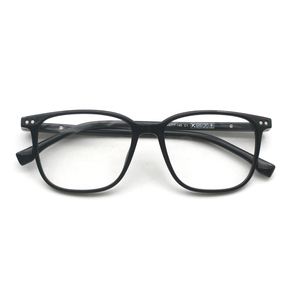
Engineered Frame Solutions Ready for Japanese Clinical Practice
Direct-from-factory optical frames and clip-on systems calibrated to Asian ergonomic geometry, pantoscopic tilt requirements, and lightweight presbyopic lens adaptations.
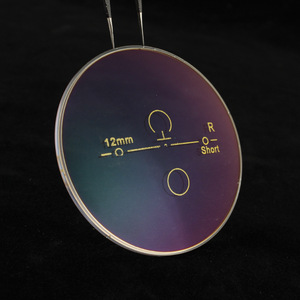
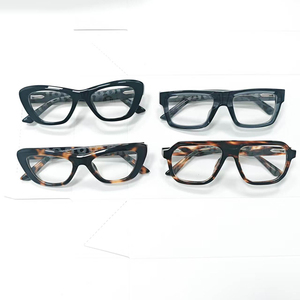
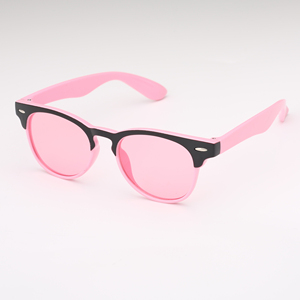
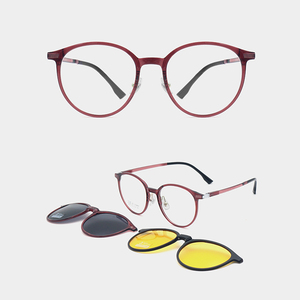
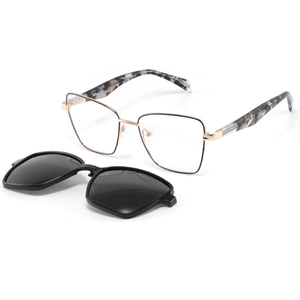
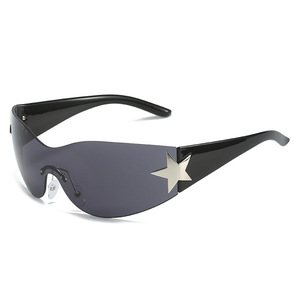
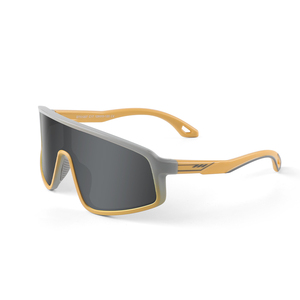
Optimizing Independent Practice Optical Procurement in the Japanese Market
A comprehensive assessment of structural consumer shifts, ergonomic cephalic modeling, and regulatory compliance parameters under the Pharmaceutical and Medical Devices Act (PMDA) and JIS B 7281 standards.
Executive Abstract: Independent optometric dispensaries (Kojin Gankyou-ten) across Tokyo, Osaka, Nagoya, and regional prefectures face escalating structural pressures: demographic super-aging requiring high-precision progressive additions, hyper-competition from domestic vertical fast-retailers (JINS, Zoff), and soaring unit costs for artisanal Sabae, Fukui production. Sourcing through advanced manufacturing facilities offering JIS-compliant aerospace materials (Ultem PEI, Beta-Titanium, high-density cellulose acetate) unlocks 45%–62% margin expansion while sustaining uncompromising Japanese dispensing standards.
East Asian Cephalic Anthropometry
Unlike Western optical geometries, Japanese cranial morphology presents distinctive facial flatness, wider temporal bitemporal breadths, and lower nasal crest projection. Our independent practice OEM lines utilize elevated S-curve bridge pads, pantoscopic angles between 6° and 8°, and modified temple splay angles preventing temple bite and rim cheek impingement.
Aerospace Polymer Micro-Machining
Leveraging polyetherimide (Ultem resin) and surgical-grade beta-titanium wire drawing, our manufacturing centers achieve bare frame weights as low as 6.2 grams. This thermal resilience (-30°C to +170°C) and tensile flex modularity guarantee dimensional stability under continuous progressive lens edger clamping.
JIS B 7281 & ISO 12870 Conformance
Every batch distributed for the Japanese ophthalmic trade undergoes stringent salt spray corrosion endurance (96-hour ISO 9227 cycling), mechanical hinge flexing (over 25,000 cycles without play), and non-toxic dermal cytotoxicity testing compliant with the Japanese Ministry of Health, Labour and Welfare (MHLW).
75+
Years Optical Industry Heritage
447+
Active Wholesale Frame Styles
19
Proprietary Curated Collections
<0.12%
Dispensing Counter Defect RMA Rate
Localization Vectors: Adapting Optical Frames to Modern Japanese Consumer Demands
A rigorous alignment of frame engineering with domestic Japanese lifestyle realities, progressive ergonomics, and retail positioning.
| Application Scenario | Target Demographic | Critical Engineering Parameter | Material & Architecture | Market Trend Index |
|---|---|---|---|---|
| Bifocal & Free-Form Progressive Dispensing | Senior Adults (Ages 50–78, Silver Market) | Minimum 32mm B-measurement depth; stable vertex distance; zero pantoscopic shift | Memory Ultem, High-Density Cellulose Acetate with adjustable wire-core temples | Surging (+14.2% YoY) |
| Urban Rail Commuter & Outdoor Transition | Metro Commuters (Tokyo, Osaka metro lines) | Instant magnetic TAC polarization clip engagement; seamless indoor-outdoor use | Neodymium magnetic bridge clasps; UV400 anti-reflective clip-ons | High Volume Adoption |
| Pediatric Myopia Management Support | School-Age Children (Ages 5–14) | Non-shattering flex resilience; hypoallergenic food-grade silicone contact points | Polycarbonate / TR90 hybrid; zero-screw elastic barrel hinges | Critical Clinical Focus |
| High-Diopter Myopia Concealment (S-6.00D+) | Young Professionals & Academics | Beveled rim thickness; reduced effective eye size (46–49mm A-box) | Titanium / Pure Acetate Windsor rims mitigating edge thickness | Premium Margin Driver |
The Silver Generation & Multifocal Imperatives
With more than 29% of Japan's population aged 65 and older, optical dispensing is dominated by multifocal progressive addition lenses (PALs). Independent practice opticians demand frames with rigid bridge bars that prevent vertical prismatic imbalance when patients transition between distance, intermediate, and near viewing zones.
Urban Commuting and Clip-On Polarization
The everyday commuter navigating Japan's dense train networks relies heavily on multi-utility frames. Carrying dedicated prescription sunglasses is widely regarded as cumbersome. Our magnetic Ultem 3-in-1 clip-on solutions seamlessly lock polarizing TAC lenses into place with 4,500 Gauss neodymium magnets, resisting dislodgement during high-motion urban transit.
The Shift Toward Independent Practice Margin Protection
Traditional private optical practices in Japan struggle against mega-chains offering flat-rate pricing. By sourcing our direct-factory engineered assortments—such as Kishimoto High Tech, Executive Titanium, and Wide Guyz—independent practices deliver superior clinical craftsmanship, wide-bridge versatility, and long-term durability at retail margins exceeding 68%.
Why International Practices & Japanese Optical Buyers Partner With Us
Combining American distribution accountability with high-precision international manufacturing facilities, our 75-year optical legacy removes supply chain uncertainty.
75+ Years Optical Heritage
Rooted in Minnesota, USA, our optical management team brings 75+ years of practical frame curation, dispensing knowledge, and QA oversight to global partner accounts.
Dedicated OEM/ODM Tooling
Custom pad arm brazing, private label laser engraving, bespoke temple tip branding, and rapid prototyping turnarounds tailored for specialty Japanese optical chains.
Export & Customs Fluency
Comprehensive customs declarations, HS-code categorization (9003.11 / 9003.19), certificate of origin documentation, and PMDA-compliant labeling assistance.
19 Segmented Collections
Access over 447 commercial-ready SKUs spanning high-tech titanium, ultra-wide fittings (Wide Guyz), pediatric frames (Dr. Seuss, Tots), and impact-resistant armouRx lines.
Frequently Asked Questions: Sourcing Eyewear for the Japan Market
Key regulatory, technical, and commercial considerations addressed by our global optical manufacturing specialists.
Q: How do your frames conform to Japan’s PMDA regulations for Class I Medical Devices?
In Japan, corrective ophthalmic frames are categorized as General Medical Devices (Class I). Our manufacturing lines maintain ISO 13485 medical device quality management compliance, ensuring biocompatibility test certificates (ISO 10993 for skin irritation and sensitization) are ready for import notification filing (Todokede) by licensed Marketing Authorization Holders (MAH).
Q: Can factory bridge geometries be modified for Asian cephalic fits?
Yes. We engineer customized saddle bridges, built-up acetate nose pads (14–16mm inner spacing), and high-grade titanium pad arms with 3D multi-axis adjustments. These configurations accommodate lower nasal bridges and prevent eyelashes or orbital tissue from contacting corrective lenses.
Q: What are the minimum order quantities (MOQ) for independent practices in Japan?
For in-stock catalog models from our 19 core collections, minimums start as low as 50 units across mixed styles to help independent optical shops test local consumer appetite. Fully custom OEM/ODM production runs (involving bespoke acetate laminations or custom tooling) require 300 to 500 units per model.
Q: How does Ultem PEI resin compare to standard TR90 for high-index Japanese lenses?
Ultem (polyetherimide) provides superior mechanical rigidity and tensile strength compared to standard TR90 memory nylon. It resists creeping and thermal expansion under summer automotive dashboard heat (up to 170°C), preventing lens delamination or bevel-popping when edging high-minus or high-index 1.74 plastic lenses.
Q: Can private clinics request bespoke laser engraving and Japanese retail packaging?
Absolutely. We provide high-resolution fiber-laser engraving on inner temple stems (including Japanese Kanji, Romanized branding, model codes, and CE/JIS markings), as well as custom-folded presentation cases, micro-fiber lens cloths, and barcoded SKU labeling for point-of-sale inventory intake.
Q: What is the factory warranty against manufacturing or mechanical defects?
Every frame supplied is backed by a 24-month comprehensive factory warranty covering solder joints, hinge barrel cohesion, plating adhesion, and spring mechanism integrity. Our strict automated optical inspection (AOI) yields a counter defect RMA rate below 0.12%.
Transform Your Independent Practice Assortment Today
Connect directly with our senior optical engineering and international export team. Request wholesale pricing schedules, material sample rings, or full-scale OEM/ODM project evaluations for the Japanese market.