
Curated Export Collections for Greater Toronto Practices
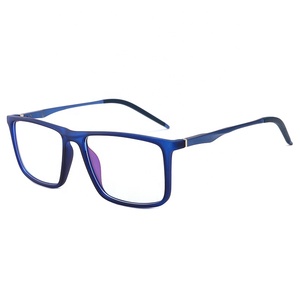
Engineered to meet stringent Canadian optical dispensing benchmarks, combining authentic horn textures, medical-grade TR90, precision memory metals, and multi-functional clip systems.

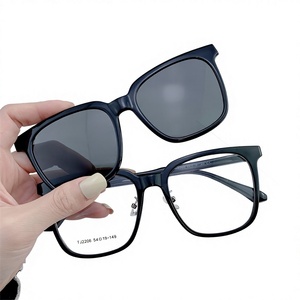
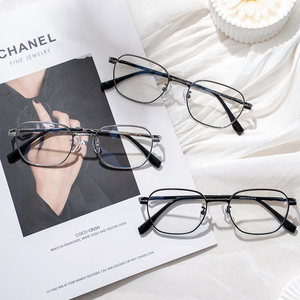
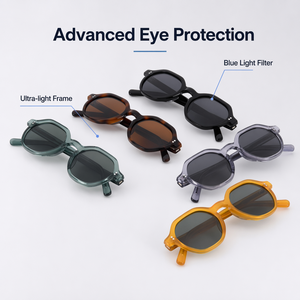
Horn & Composite Eyewear Manufacturing Architecture
A rigorous industrial perspective on sourcing certified natural horn, precision-milled titanium sub-chassis, and bespoke eyewear for high-value North American dispensary practices.
Ethical Horn Keratin Lamination
Genuine water buffalo horn (Bubalus Bubalis) features unique organic striations and thermo-adaptive comfort. Unlike synthetic polymers, horn requires cross-directional multi-ply lamination.
- Cross-grain 5-to-9 ply press lamination prevents dimensional warp across fluctuating humidity.
- Medical-grade hypoallergenic biocompatibility prevents contact dermatitis around nasal bridges.
- Hand-polished micro-crystalline wax sealants retain natural internal lipid moisture.
CNC Micro-Milling & Lens Grooving
Fabricating natural horn demands CNC tolerances under ±0.03mm. Horn lacks the uniform elastic modulus of injected plastics, making bevel design crucial for modern Rx optical lab edging.
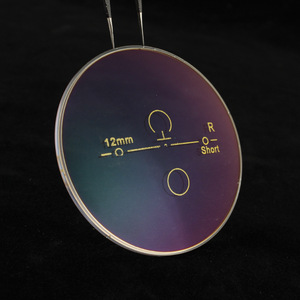
- Custom 115° asymmetric lens bevels engineered for high-cylinder toric and progressive lenses.
- Integrated carbon-fiber or titanium inner cores provide torsional stability during cold-snap glazing.
- German-engineered 5-barrel OBE and Comotec hinge integration via micro-riveting systems.
Export Verification & CITES Compliance
Exporting luxury organic horn eyewear into Ontario, Canada requires rigorous veterinary quarantine certificates and non-endangered species CITES exemptions at CBSA border points.
- Every export consignment includes non-wildlife origin declaration documentation.
- Certified zero-formaldehyde organic finishing pastes compliant with Health Canada guidelines.
- Direct integration with Pearson International Airport (YYZ) bonded air cargo clearance channels.
| Material Engineering | Tensile Strength | Cold Glazing Capacity | Thermal Expansion Index | Dispensing Recommendation |
|---|---|---|---|---|
| Genuine Buffalo Horn (Multi-Ply) | 78 - 92 MPa | Requires Gentle Frame Warmer (45°C - 50°C) | Very Low (Maintains Bridge Stability) | Luxury Independent Boutiques / High-End Rx |
| Pure Titanium / Beta Flex | 850 - 950 MPa | Cold Snap Accommodative | Virtually Zero Variation | Executive & Minimalist Professional Practices |
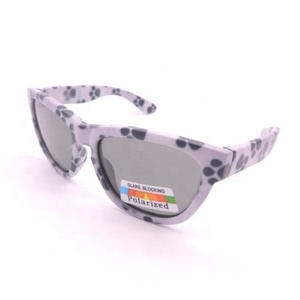
| Swiss EMS TR90 Polymer | 65 - 75 MPa | High Elastic Memory (Cold Mounting) | Flexible Under Ambient Temp | Active Lifestyle, Safety & Pediatric Eyewear |
| Horn-Acetate Composite Hybrid | 82 - 88 MPa | Standard Hot Air Blower Glazing | Moderate Uniform Elasticity | Volume Optical Retailing / Commercial Chains |
Localized Applications: Dispensing in the Greater Toronto Area (GTA)
Strategic dispensing insights mapping bespoke frame materials directly to Greater Toronto micro-climates, executive demographics, and clinical patient segments.
Bay Street & Financial District Executives
Toronto’s Financial Core—from Brookfield Place to First Canadian Place—demands subtle distinction. C-suite professionals and legal partners prioritize bespoke buffalo horn paired with Japanese titanium temples.
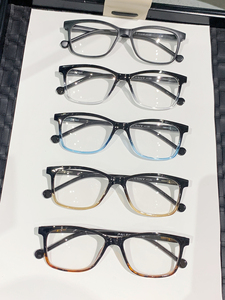
- Understated matte black, dark marbled charcoal, and deep amber natural horn finishes.
- Extended nose-pad arms accommodating diverse pan-ethnic cranial profiles across corporate Toronto.
- Seamless integration with anti-reflective progressive blue-filtering computer lenses for trading desks.
Winter Freeze-Thaw Thermal Resilience
Ontario winters transition rapidly from -20°C outdoor polar blasts to +22°C indoor central dry heating. Standard injection-molded frames can become brittle and fracture under thermal shock.
- Multi-laminated horn structures remain supple without micro-cracking in severe sub-zero weather.
- Internal moisture buffers prevent bridge snapping during winter prescription lens edge-swaps.
- Hypoallergenic natural organic surfaces eliminate cold-metal biting sensation on delicate facial skin.
Yorkville & Queen West Fashion Dispensaries
Independent fashion optical dispensaries in Yorkville and boutique retailers along Queen Street West require curated short-run collections that stand apart from mass-market monopoly retail brands.
- Zero identical serial patterns—each genuine horn blank displays unique natural organic graining.
- High gross-margin opportunities exceeding 65% markup at the retail luxury tier.
- Private-label bespoke temple laser-engraving tailored for Toronto designer collections.
Emerging Trends Shaping Ontario’s Optical Retail Sector
Market intelligence derived from dispensing behavior, demographic movements, and sustainability regulations across the Province of Ontario.
1. Shift to Sustainable Luxury
Eco-conscious urban consumers across Toronto, Mississauga, and Oakville are actively rejecting petroleum-derived cheap acetates. Natural buffalo horn provides a 100% bio-degradable, zero-microplastic footprint sourced from agricultural by-products.
2. Universal Global Fit Geometry
The GTA boasts one of the most culturally diverse populations globally. Traditional European-fit frames cause optical decentration, cheek resting, and temple pinching. Modern factory export batches now prioritize universal-bridge architecture.
3. Private Labeling for Independents
With corporate optical consolidations expanding throughout Canadian malls, independent optometrists are turning toward custom private-label horn and titanium lines to secure recurring customer loyalty and maintain healthy margins.
Toronto Optical Buyer Inquiries & Technical FAQ
Essential guidance addressing customs clearance, Health Canada regulatory requirements, minimum order quantities (MOQ), and laboratory lens glazing procedures.
How are Canadian customs duties and GST/HST handled for shipments to Ontario?
Optical prescription frames imported into Ontario under HS Code 9003.11/9003.19 are generally duty-free under most trade agreements or carry low tariff schedules. Shipments clearing through CBSA (Pearson International Port) are invoiced with standard 13% HST. We provide end-to-end DDP (Delivered Duty Paid) shipping solutions so packages arrive directly at your clinic without border delays.
Do your frames comply with Health Canada Class I Medical Device regulations?
Yes. Ophthalmic spectacle frames are categorized as Class I Medical Devices in Canada. Our manufacturing protocols operate under ISO 13485 and ISO 12870 quality management standards, ensuring material biocompatibility, nickel-release safety (EN 1811 compliant), and structural endurance required by Canadian optometric boards.
How should an Ontario optical lab edge and glaze lenses into buffalo horn frames?
Natural horn must never be exposed to harsh chemical immersion, alcohol, ultrasonic baths, or excessive dry heat exceeding 60°C. Dispensing labs should use moderate, controlled frame warmers (around 45°C to 50°C) with natural bead trays. Lenses should be cold-edged with a 0.2mm bevel tolerance to avoid excessive internal groove stress.
What are the minimum order quantities (MOQ) for Toronto clinics and chains?
For catalog assortments across our 19 core collections (such as Executive Titanium, Kishimoto, and Wide Guyz), low minimum order volumes are available to support initial frame-board test assortments. For custom OEM private label buffalo horn frames with personalized bridge and temple laser-engraving, production runs start at 50 pieces per model.
Expand Your Toronto Optical Frame Selection Today
Connect with our senior technical export directors to receive full catalog access, physical frame samples, and transparent wholesale pricing tailored for independent optical clinics and regional distributors across Canada.
Send an Inquiry