
Engineered Optical Collections for High-Turnover Dispensaries
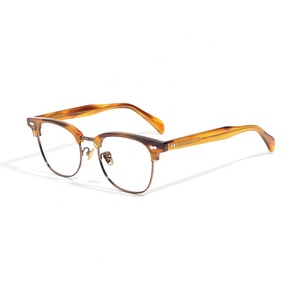
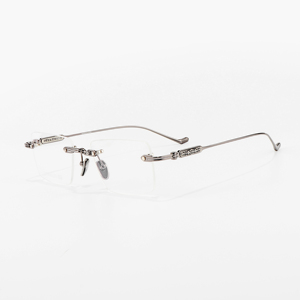
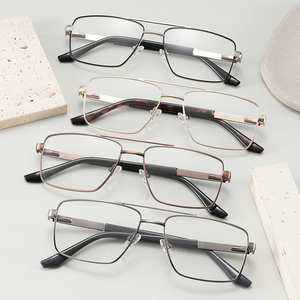
Comprehensive frame portfolios spanning titanium frameless systems, high-density cellulose acetates, UV400 dynamic photochromics, and pediatric silicone-infused frames configured for GCC market compliance.
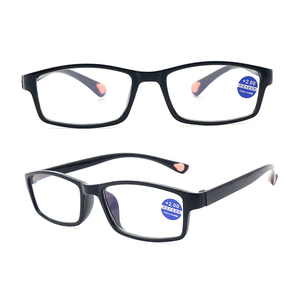
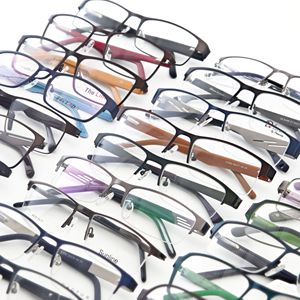
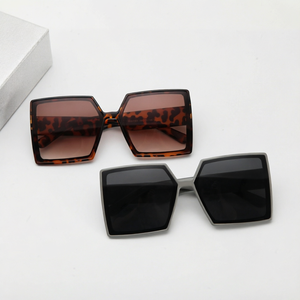
The Saudi Arabian Optical Landscape: Vision 2030 Structural Realignment
The eyewear and optical frame distribution ecosystem across the Kingdom of Saudi Arabia (KSA) is undergoing unprecedented expansion. Historically characterized by fragmented commercial procurement and independent optical trading centers in Jeddah's Al-Balad and Riyadh's Batha districts, the modern Saudi optical marketplace is now dominated by corporate healthcare consolidation, chain retail dominance (e.g., Magrabi, Al Badr, Eyewa), and government-backed wellness mandates under Saudi Vision 2030.
For international manufacturers, OEM factories, and regional procurement officers, supplying optical frames into Riyadh, Jeddah, Dammam, and Khobar requires moving beyond generic commodity trade. Frame curation must strictly satisfy dual priorities: localized anthropometric head-geometry parameters and rigorous laboratory durability standards capable of withstanding the Arabian Peninsula's hyper-arid, high-UV, and extreme thermal conditions.
Modern Saudi consumers exhibit one of the highest per-capita spending indices on eyewear globally. Spectacle frames have evolved decisively from functional corrective prosthetics into high-visibility luxury accessories. With prescription frames regularly paired with bespoke abayas, thobes, and executive business attire in corporate Riyadh, optical frames demand exquisite structural finishing, vacuum ion plating (IP), galvanic corrosion barriers, and hypoallergenic nose-pad architectures that prevent slippage during intense summer humidity along the Red Sea and Arabian Gulf coastlines.
75+
Years Optical Heritage
447+
Catalog Frame Styles
19
Targeted Collections
100%
SFDA Batch Compliance
GCC-Specific Design Principles & Environmental Performance
Dispensaries in Riyadh, Dammam, and Medina require specific frame materials and mechanical treatments capable of handling intense UV exposure, air-conditioned transition shock, and distinct aesthetic preferences.
Thermal-Shock & UV400 Stability
Optical hardware transitioning between +48°C exterior desert heat and aggressively chilled 19°C indoor climates suffers accelerated delamination if improperly bonded. Our frames utilize surgical-grade Beta-Titanium, TR90 memory polymers, and multilayer high-density cellulose acetates cured to neutralize thermal warpage, screw looseness, and bridge deformation.
Anthropometric Fit Profiles
Dispensing in the Arabian Peninsula requires specialized geometric consideration, notably modified bridge breadths (18mm to 21mm), splayed pantoscopic angles, and adjustable silicone-embedded air-cushion nose pads. Our Wide Fit and Extended Collections (Wide Guyz, Journeyman lines) resolve temporal pinching common with European-narrow molds.
Aesthetic Balance: Modesty & Luxury
Saudi optical fashion trends balance corporate executive formality with bold sartorial flair. Women's ophthalmic frames trend toward oversized geometric metals, soft cat-eyes with galvanic gold/champagne finishes (Contessa, Chic collections), while executive male buyers demand frameless titanium rimless architecture and minimalist clean-edge semi-rimless silhouettes.
Decades of Optical Provenance: Global Optique Manufacturing Strengths
Rooted in over 75 years of manufacturing and optical curation experience, our infrastructure combines rigorous American ophthalmic quality control with responsive direct-factory global pricing.
75+ Years Optical Heritage
Originating from our central optical curation hub in St. Cloud, Minnesota, our engineering standards reflect three generations of ophthalmic lens-mounting precision, zero-tolerance barrel hinges, and structural groove stability for high-index prescription lenses (-10.00D to +6.00D).
Comprehensive Segment Coverage
From licensed pediatric frames engineered for durability (Kidz Eyez, Dr. Seuss, Tots) to specialized safety-rated ophthalmic protective gear (armouRx) and featherlight pure titanium luxury lines (Executive Titanium, Kishimoto High Tech), practice owners simplify procurement through a unified catalog.
Direct Logistics & SABER/SFDA Readiness
Our export documentation office prepares complete technical datasheets, material safety sheets (MSDS), factory inspection reports, and certificates of conformity (CoC) matching the precise regulatory parameters enforced by Zakat, Tax and Customs Authority (ZATCA) and the Saudi Food & Drug Authority.
Frequently Asked Questions by Saudi Eyewear Buyers
Direct answers addressing supply chain logistics, regulatory compliance, custom branding, and localized inventory stocking strategies for the GCC optical trade.
How do our frames satisfy SFDA and SABER platform requirements?
Every batch shipped to Saudi Arabian ports (Jeddah Islamic Port, King Abdulaziz Port Dammam, or Riyadh Dry Port) comes backed by authenticated technical dossiers. Optical frames fall under Class I medical device or consumer protective categories depending on classification. We provide CE declarations, ISO 12870 physiological compatibility certifications, nickel-release test reports (EN 16128), and SABER Certificate of Conformity registration assistance.
What are the optimal frame material combinations for the GCC climate?
Opticians operating in high-humidity coastal cities (Jeddah, Yanbu, Khobar) and extreme-temperature desert cities (Riyadh, Qassim) consistently report that low-tier copper-alloy frames oxidize rapidly. We recommend surgical titanium (Grade 2/4), pure Beta-Titanium, and high-density acetate with double-pass vacuum PVD plating. These materials resist sweat corrosion, saline degradation, and UV-induced discoloration over multi-year patient wear.
What Minimum Order Quantities (MOQs) apply for Saudi wholesale accounts?
For practices sourcing from our active catalog of 447+ in-stock models, minimum orders begin as low as 50 to 100 units across mixed collections, allowing optical clinic owners to test board turns without capital overcommitment. For private label manufacturing, OEM laser branding, and bespoke dimensional adjustments, custom factory MOQs generally commence at 300 to 500 units per colorway.
How do photochromic and polarized sun lenses integrate into Saudi prescription lines?
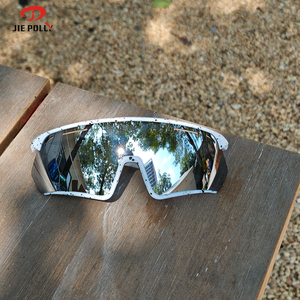
Due to intense year-round solar radiation (UV index often exceeding 11+ in Saudi summer), dynamic light adaptation is a commercial requirement rather than an optional add-on. Our photochromic sports lines (Photochromic Bike Eyewear) and wholesale polarized ranges (Rize Polarized Sunglasses) feature rapid activation transitions (UV-activated molecular matrix changing in <30 seconds) and high-attenuation backside anti-reflective coatings.
Can private label practices customize frame sizing and temple printing in Arabic?
Yes. We support custom pad-printing, inner-temple laser engraving (including Arabic typography, practice logos, and model coding), custom-branded clam-shell cases, and microfiber lens cloths. We regularly assist growing Saudi regional retail chains with white-label frame line creation engineered specifically for their brand identity.
What are typical air-freight and ocean-freight delivery windows to KSA?
Expedited sample packs and ready-stock dispensary reorders transit via DHL/FedEx Express from our logistics hubs within 4 to 7 business days directly to Riyadh or Jeddah addresses. Full container-load (FCL) or commercial sea cargo shipments transit to Jeddah Islamic Port or Dammam in approximately 18 to 26 days, complete with automated shipping document pre-validation.