
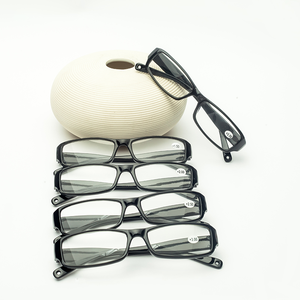
Export Ready Catalog
Featured OEM Ophthalmic & Eyewear Series for Tokyo Distributors
Rigorously tested for bridge fitting accuracy, hinge longevity, and optical lab lens edging compatibility.

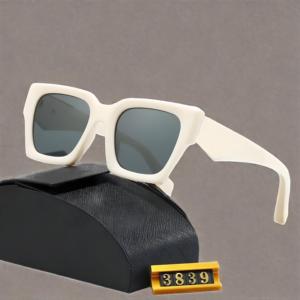
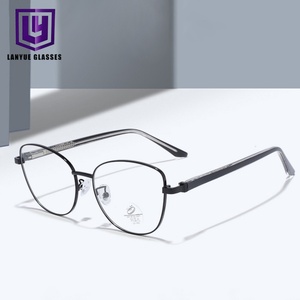
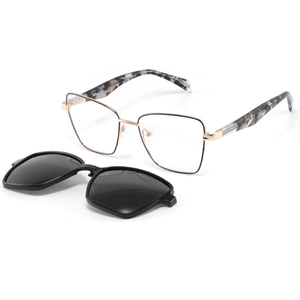
Precision Ophthalmic Frame Manufacturing for the Demanding Tokyo Market: Technical Benchmarks and OEM/ODM Integration
The Tokyo eyewear market represents one of the world's most sophisticated and quality-sensitive optical retail environments. From luxury optical boutiques in Ginza and Omotesando to high-volume metropolitan optical chains near Shibuya and Shinjuku stations, Japanese consumers demand an uncompromising blend of physical comfort, structural longevity, and refined aesthetic minimalism. For Japanese optical trading houses, retail chain buyers, and independent optometrists, selecting a China-based manufacturing partner requires verifying rigorous quality assurance metrics, material integrity, and strict adherence to Japanese Industrial Standards (JIS B 7281:2003 for spectacles frames).
As a leading China OEM/ODM factory and primary exporter specializing in premium prescription optical frames, our manufacturing infrastructure is built to bridge high-capacity Chinese production efficiency with Japanese micro-engineering precision. By controlling raw material sourcing—such as high-grade β-Titanium wire from Japan/China joint ventures and high-density bio-based cellulose acetate—we supply Tokyo buyers with ophthalmic frames that pass stringent Japanese MHLW (Ministry of Health, Labour and Welfare) compliance tests and deliver exceptional retail sell-through rates.
1. Japanese Ergonomic Alignment: Asian Fit Bridge & Geometry Engineering
One of the primary causes of frame returns and lab re-fittings in Japanese optical stores is improper bridge geometry. Standard European/American frame molds feature narrower bridge angles (18° to 20°) and deep splayed nose pads, which frequently cause frame slippage, eyelash friction against prescription lenses, and temple pressure points on East Asian cranial structures.
Our specialized Tokyo-Export production line implements calibrated "Asian Fit" structural parameters across all acetate, metal, and titanium collections:
- Modified Bridge Angles & Pad Arm Clearance: Nose pad arms are engineered with an extended 22° to 26° sweep angle and wider pantoscopic tilt (8° to 10°), lifting the frame profile to prevent cheekbone contact even when fitted with high-minus progressive lenses.
- Optimized Temple Flare & Curvature Radius: Temples feature a pre-adjusted lateral flex outward curve (S-curve geometry) that cradles the temporal bones without causing localized pressure behind the ears, reducing client adjustments at dispensing counters.
- Ultra-Light Center-of-Gravity Balance: By calculating front-to-temple weight distribution (maintaining a 60:40 front-to-rear mass ratio), our frames minimize nose bridge impression marks during extended daily wearing by Tokyo office commuters.
2. Metallurgical Superiority: Pure Titanium, β-Titanium, and IP Vacuum Plating
Tokyo optical buyers strictly differentiate between basic alloy frames and true Japanese-standard titanium eyewear. Our factory operates automated CNC turning and laser-welding centers dedicated exclusively to non-ferrous titanium alloys, eliminating cross-contamination with nickel or copper dust.
| Material Category | Factory Metallurgy Specification | Physical & Mechanical Advantage | Target Tokyo Retail Segment |
|---|---|---|---|
| Gr2 Pure Titanium | 99.2% Pure Unalloyed Titanium (ISO 5832-2) | 100% Hypoallergenic, zero nickel release, 45% lighter than stainless steel. High corrosion resistance. | Executive Ophthalmic Lines, Clinical & Senior Prescription Wear |
| β-Titanium (Ti-15V-3Cr-3Sn-3Al) | Cold-worked High Elasticity Beta Titanium Wire | Superior flexural memory; withstands up to 25° temple bending without permanent deformation. Tensile strength >980 MPa. | Ultra-light Minimalist Rimless & Semi-Rimless Tokyo Urban Series |
| High-Density Cellulose Acetate | Cured Cotton-derived Bio-Acetate (Density 1.28 g/cm³) | Low moisture absorption (<1.2%), exceptional color depth, holds high gloss polish without shrinkage over time. | Fashion Optical Boutiques in Ginza, Harajuku Streetwear Eyewear |
Furthermore, surface finishing is executed using physical vapor deposition (PVD) vacuum Ion Plating (IP). Unlike standard electroplating, our IP process deposits a 0.8 to 1.5-micron titanium nitride (TiN) or gold matrix layer. This achieves a hardness rating exceeding 2000 HV and passes the 48-hour artificial perspiration salt spray test (JIS Z 2371 standard) with zero pitting or discoloration.
3. Micro-Engineering: Hinge Precision and Lens Groove Integrity
In prescription lens processing labs across Shinjuku and Yokohama, optical technicians demand exact bevel groove depths to ensure quick, secure lens insertion using automatic edgers (such as NIDEK or ESSILOR systems). Our high-precision CNC rim-forming machines guarantee a uniform V-groove angle of 110° ± 0.5° with a consistent depth of 0.65mm. This prevents lens pop-out under thermal expansion while keeping thin high-index (1.74) lenses flush with the frame facade.
Hinge components utilize Swiss-imported OBIS-style screws coated with thread-locking compound, preventing temple looseness after tens of thousands of opening-closing cycles. Custom 3-tooth and 5-tooth barrel hinges are integrated into high-density acetate frames via thermal insertion, enduring 12 kgf of extraction pull force.
Factory Competence
Why Leading Tokyo Eyewear Brands Choose Our Factory
Combining advanced manufacturing technology with end-to-end export support for Japanese partners.
Japanese Quality Control (JIS Compliant)
Every batch undergoes 100% 4-step manual inspection under polarized light tables. We test for temple tension stability, bridge torque, plating adhesion, and zero frame warpage prior to export packaging.
Flexible OEM / ODM Customization
From 3D CAD modeling to rapid prototype sampling in under 7 days. We offer custom laser logo engraving on temples/demo lenses, private label packaging, and exclusive regional model protection for Tokyo chains.
Direct Tokyo Express Logistics
Streamlined customs clearance documentation for Tokyo Ports and Narita/Haneda air hubs. Direct DDP/FOB shipments with complete certificates of origin, material reports, and Japanese tax compliant invoices.
Market Intelligence
Localized Application Scenarios & Eyewear Trends in Tokyo
Aligning product assortments with regional Japanese consumer lifestyles and urban demands.
1. Shibuya & Roppongi Tech Worker Series
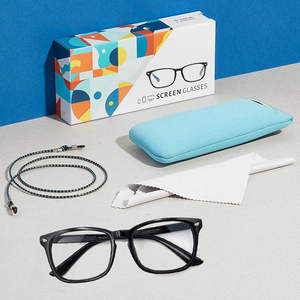
Tokyo's dense concentration of IT, finance, and creative professionals in business hubs like Shibuya, Roppongi, and Marunouchi has created massive demand for high-performance blue-light blocking frames. Our slim stainless steel and β-Titanium hybrid frames feature ultra-thin clear lenses with anti-reflective coating, allowing corporate workers to transition seamlessly from multi-monitor workstations to client meetings while reducing visual fatigue.
2. Ginza & Omotesando Craft Acetate Vintage Trend
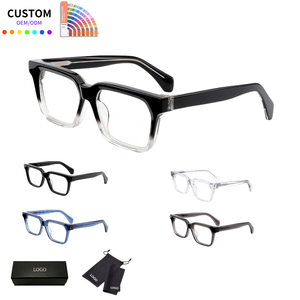
Consumer aesthetics in Tokyo luxury districts lean heavily toward classical retro shapes—such as Boston (modified round), Wellington (classic square), and Crown Panto silhouettes. Our hand-polished bio-acetate frames replicate classic tortoiseshell, crystal clear, and soft amber hues with subtle metal riveted hinges. Tokyo boutique buyers leverage these models for high-margin, artisanal positioning without the prohibitive lead times of local micro-factories.
3. Suburban Family Optical Chains & Clip-On Systems
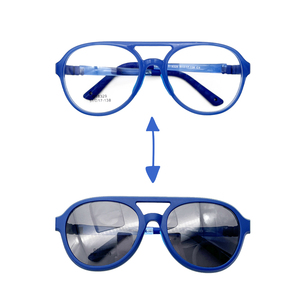
For retail chains operating across suburban Tokyo (Kichijoji, Machida, Yokohama outer area), versatility and family-friendly durability are key sell-through drivers. Our magnetic clip-on optical frames (pairing clear prescription fronts with TAC polarized sun lenses) and food-grade silicone pediatric frames offer high utility for parents seeking dual-purpose solutions and shatterproof kids' glasses.
4. Commuter Minimalism: Ultra-Light Rimless Frames
Tokyo's daily public transport commuters favor discreet, weightless eyewear that resists slipping during humid summer months or rapid walking. Our rimless and semi-rimless β-Titanium frames weigh less than 8.5 grams (without lenses), incorporating screwless hinge designs that eliminate maintenance needs for busy metropolitan users.
Production & Supply Capability
Empowering Tokyo Optical Importers with Scale and Speed
Our automated production park integrates high-speed CNC engraving, eco-friendly polishing, and digital quality auditing under ISO 13485 medical device standards.
1.2M+
Annual Frame Capacity
99.4%
Quality Acceptance Rate
15-25 Days
OEM Lead Time
300+
Active Japanese Store Models
Procurement Guide
Frequently Asked Questions by Tokyo B2B Eyewear Buyers
Answers to common inquiries regarding regulatory compliance, MOQs, testing, and custom manufacturing.
What certifications do your ophthalmic frames hold for export to Japan and the Tokyo market?
Our manufacturing facilities are ISO 13485 (Medical Devices Quality Management) and ISO 9001 certified. All exported ophthalmic frames comply fully with Japanese Industrial Standards (JIS B 7281:2003) for spectacle frames, CE EN ISO 12870, and US FDA registration standards. We provide complete Nickel-Release Test Reports (EN 16128) and Artificial Perspiration Resistance documentation upon request for Japanese customs clearance and retail auditing.
How does your factory ensure that nose pad arms and bridge dimensions suit Japanese consumers?
We maintain dedicated tooling molds specifically designed for East Asian cranial and nasal bridge anatomy (Low Bridge / Asian Fit). Bridge widths are calibrated between 16mm and 19mm with elongated "S-type" adjustable titanium pad arms and hypoallergenic soft silicone or titanium nose pads. This ensures optimal pantoscopic tilt and lens distance, preventing frames from touching cheekbones or slipping during wear.
What are your minimum order quantities (MOQ) for custom logo branding and OEM acetate/titanium production?
For ready-to-ship catalog models with custom laser logo engraving on inner temples or demo lenses, our low MOQ starts at 100 pieces per model (assorted across 3-4 colorways). For full custom OEM production (custom CAD shapes, specialized acetate laminate colors, or custom titanium casting), the standard MOQ is 300 pieces per model. Sample prototype development takes 7-10 working days.
How do you handle shipping, customs clearance, and import duties into Tokyo ports?
We provide flexible Incoterms including FOB Ningbo/Shanghai, CIF Tokyo/Yokohama, and full DDP (Delivered Duty Paid) via express air freight directly to your warehouse in Tokyo, Kanagawa, or Chiba. All shipments include detailed commercial invoices, HS code classifications (9003.11 for plastic frames, 9003.19 for metal/titanium frames), Certificate of Origin (RCEP eligible for preferential tariff rates), and packing lists to ensure seamless clearance.
Can we request sample kits for evaluation prior to placing a bulk container order?
Yes, we strongly encourage sample evaluation. Verified optical distributors, chain stores, and import agencies in Tokyo can request a physical sample box containing representative samples of our Pure Titanium, β-Titanium, and hand-finished Acetate lines. Click the "Get Catalog" button to connect with our international trade desk and request your sample kit.
Partner with China's Leading Ophthalmic Frame Exporter to Tokyo
Elevate your optical retail offerings with precision-crafted titanium, acetate, and anti-blue light prescription frames engineered to Japanese standards. Request our full wholesale catalog, spec sheets, and B2B pricing today.