
Engineered Frame Collections Available for Manila Optical Distribution
Designed with certified plant-derived polymer resins, nickel-free titanium reinforced cores, and weather-conditioned hinges engineered for maritime high-salinity island climates.
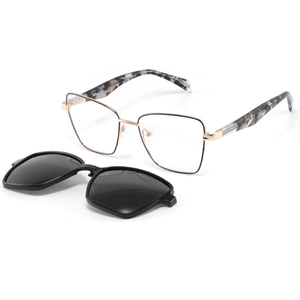
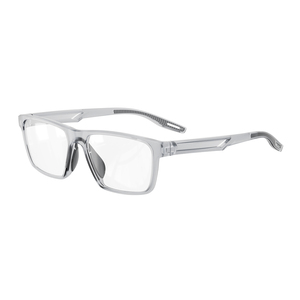

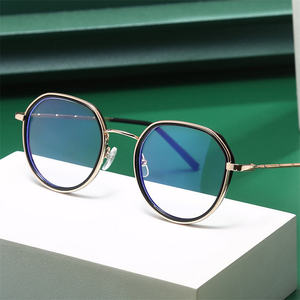
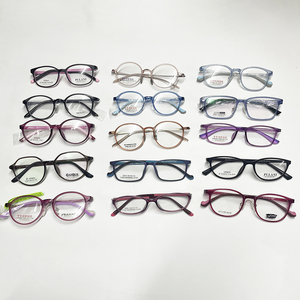
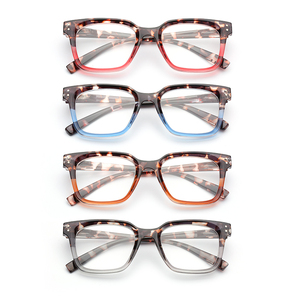
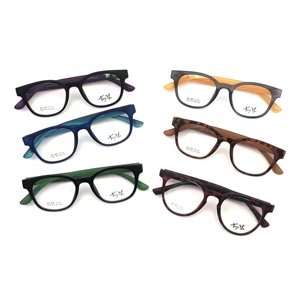
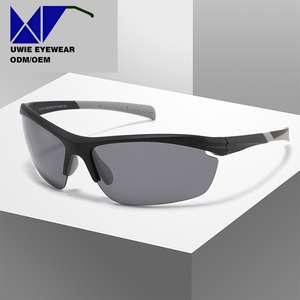
Technical Whitepaper: Bio-Acetate Material Science & Structural Stability in the National Capital Region (NCR)
Traditional cellulose acetate relies heavily on fossil-fuel-derived phthalate plasticizers (such as DEP) to impart flexibility, thermal malleability, and color vibrancy. However, in tropical maritime climates characterized by sustained high ambient humidity (averaging 75% to 88% throughout Luzon) and elevated dew points, plasticizer leaching and white-chalking efflorescence present significant commercial warranty liabilities for independent practitioners and optometric chains across Metro Manila, Quezon City, Taguig (BGC), and Makati.
Our bio-acetate manufacturing line replaces synthetic chemical plasticizers with sustainably cultivated, plant-based triethyl citrate and naturally modified wood-pulp and cotton linters. Tested in accordance with ISO 14855 aerobic degradation guidelines and ASTM D6866 bio-based carbon content analysis, our formulations maintain a bio-content certified between 68% and 73%, ensuring that the frames break down naturally under industrial composting conditions within 115 days, without releasing microplastics or halogenated residues.
Non-Phthalate Compounding
Eliminates endocrine-disrupting dimethyl and diethyl phthalates. Prevents surface yellowing and epidermal allergy flare-ups in tropical skin conditions.
Thermal Creep Resistance
Engineered for high glass transition temperatures (Tg ≥ 118°C). Keeps cold-snap bevel retention intact inside non-air-conditioned urban transit environments.
Aqueous Salinity Tolerance
Reinforced barrel hinges with electro-deposited passivation prevent corrosion from marine breeze exposure across Pasay, Manila Bay, and Cavite coastal belts.
Prescription Lens Stability
Controlled internal tension preventing frame warp during automated edging and high minus/plus prescription bevel insertions at clinical labs.
Localized Dispensing Scenarios & Ergonomic Adaptations for the Philippine Consumer
Dispensing in the Philippines requires specific structural tailoring. Asian fit bridge engineering, sweat-resistant temple sleeves, and versatile indoor-outdoor blue-light/photochromic adaptability dictate patient acceptance rates.
BPO & Tech Workforces in Ortigas & BGC
The Philippines hosts over 1.3 million Business Process Outsourcing professionals working night shifts under continuous LED and dual-monitor conditions. Our bio-acetate frames are paired with ultra-light acetate frontals and integrated blue-attenuation optics, decreasing asthenopic symptoms, temporal pressure headaches, and facial slipping during prolonged 10-hour desk shifts.
High-Humidity Urban Commuting & Transit
Commuting via MRT-3, LRT, UV Express, and jeepneys introduces abrupt temperature variations from refrigerated train coaches to 34°C ambient street air. Our moisture-cured cellulose sheets prevent temple splaying, bridge bowing, and frame loosening, eliminating frequent dispensing adjustments at the clinic counter.
Low-Bridge & High-Cheekbone Ergonomics
Standard Western frame geometries frequently slide forward or rest directly against cheekbones in the Filipino demographic. We manufacture specialized saddle bridge dimensions (16mm to 19mm DBL), built-up contoured bio-acetate nose pads, and 8-degree pantoscopic tilt angles designed for optimal vertex distance.
Emerging Procurement Trends Shaping Optical Wholesale in Manila (2025–2030)
The Philippine eyewear landscape is transitioning from disposable fast-fashion thermoplastics toward accountable, sustainable materials. Independent optometry practices in Binondo, Quiapo, Alabang, and Quezon City face intensified competition from multinational retail chains. To differentiate their practices, optical clinic owners are adopting private-label bio-acetate lines that emphasize ESG integrity and ocular comfort.
Furthermore, Republic Act No. 11898 (Extended Producer Responsibility Act) has encouraged institutional retail corporations and hospital optical dispensaries to audit supply chains for plastic footprint minimization. Bio-based acetate satisfies these corporate procurement mandates, granting optical partners premium tier positioning without the exorbitant brand licensing fees associated with European design houses.
Factory Direct Precision & 75+ Years Optical Heritage
Drawing on an established pedigree in global ophthalmic frame distribution and precision manufacturing, we connect Philippine optical distributors, retail groups, and optometric consortiums directly to vertically integrated casting, cutting, tumbling, and hand-polishing facilities.
Our production protocols ensure that every batch of bio-acetate undergoes 72 hours of multi-stage organic barrel tumbling in German beechwood granules, followed by high-luster manual hand-buffing using non-toxic carnauba polishing pastes, achieving exceptional gloss and tactile comfort.
- Zero-Intermediary Factory Direct Pricing
- OEM/ODM Laser Branding & Pad Printing
- Rapid Sea & Air Logistics into Port of Manila
- Full Certificate of Analysis (COA) Documentation
Frequently Asked Questions by Philippine Wholesale Buyers
Clear, direct answers regarding customs clearance, minimum order quantities (MOQ), climate stabilization, and clinical optical laboratory performance.
How does bio-acetate perform during lens edging and bench alignment?
Bio-acetate exhibits thermal adjustment characteristics nearly identical to premium conventional cellulose acetate. Optical dispensers in Manila can warm the frames on standard hot-air bead frame warmers at 50°C–60°C. It accepts CR-39, polycarbonate, high-index (1.67, 1.74), and Trivex lenses without rim blowout or stress fractures.
What are the logistics options and customs clearing procedures for Port of Manila / NAIA?
We provide full export clearance documentation including Commercial Invoices, Packing Lists, Certificates of Origin (Form E for ASEAN preferential tariff optimization), and Material Safety Data Sheets (MSDS). Consignments can be dispatched via air freight to Ninoy Aquino International Airport (NAIA) or sea freight container consolidation to Manila South Harbor.
What are the minimum order quantities (MOQ) for custom optical private labels?
For catalog in-stock collections requiring localized custom laser engraving or temple printing, the MOQ is 100 pieces per model. For full custom frame colorway formulation, custom raw slab sheeting, and proprietary CNC tooling, our baseline factory run starts at 300 pieces per style across two color variants.
Will bio-acetate frames biodegrade or deteriorate on retail display boards?
No. Biodegradation requires specific anaerobic or aerobic composting environments with active microorganisms, enzyme catalysts, controlled moisture (>70%), and temperatures exceeding 55°C. In optical dispensary displays, air-conditioned boutique showcases, and daily patient usage, bio-acetate frames maintain physical integrity for years without structural decline.
Expand Your Practice With Premium Bio-Acetate Eyewear
Connect directly with our engineering and factory distribution team. Inquire regarding assortment boards, sample evaluation kits, regional container allocations, and private-label contract manufacturing for the Philippine market.
Contact Us