
Engineered Assortments
Precision Product Recommendations & Optical Catalog
Explore our high-performance frames, ranging from medical-grade lightweight polymers to high-tensile titanium and eco-oriented bio-acetate alternatives vetted for international retail distribution.

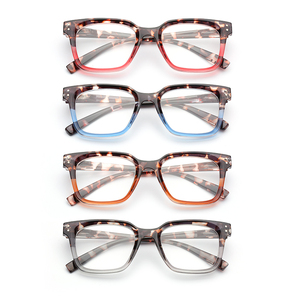
Ultra Light Full Titanium Eyeglass Frames Men Women Comfort Flexible Prescription Glasses Frame Wholesale
Contact Us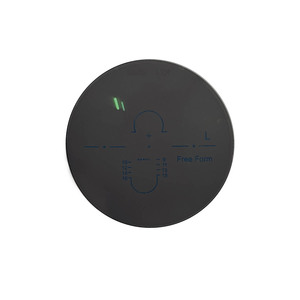
1.61 Progressive Multi-focal Free Form Prescription Lenses Two-piece Resin Clear HMC Coated Myopia Reading Glasses 2C Base Curve
Contact Us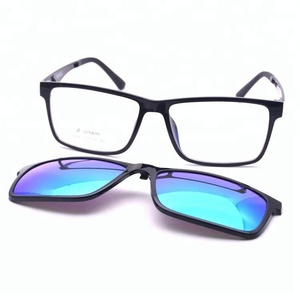
Ultem Clip on Eyeglasses Frames Polarized Magnetic Sunglasses
Contact Us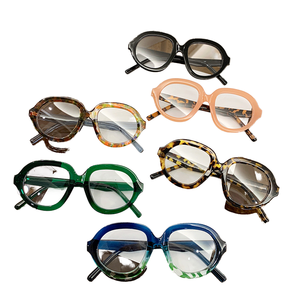
Oval Sunglasses Oversized UV400 Unisex PC Frame Lightweight Summer Outdoor Fashion
Contact Us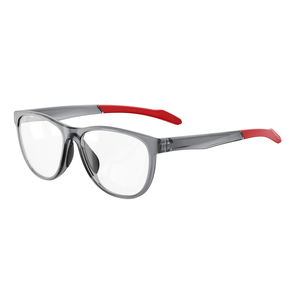
Wholesale Unbreakable Optical Spectacle Glasses Frame Custom Logo Men TR90 Mixed Sport Eyeglass Frames
Contact Us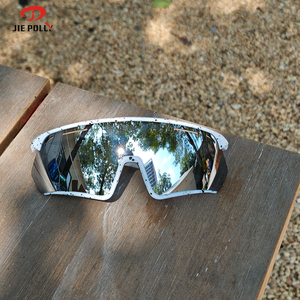
Factory Direct Supply Photochromic Bike Glasses COLOR CHANGING Glare Scratch Resistant Outdoor Sports Eyewear for B2B Buyers
Contact Us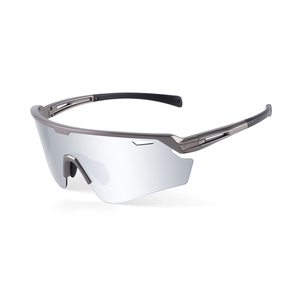
OEM ODM Lightweight Half Frame Cycling Sunglasses UV400 Mirror Lens Sports Glasses for Road Bike MTB Running Outdoor Eyewear
Contact Us75+
Years Industry Lineage
447+
Catalog Frame Styles
19
Curated Collections
100%
Batch Verification Check
Material Chemistry & Industrial Classification: Bio Acetate vs. Traditional CA
The global transition toward environmentally sustainable eyewear is led by significant advancements in cellulose acetate polymer chemistry. Traditional acetate relies extensively on fossil-fuel-derived plasticizers—primarily diethyl phthalate (DEP) or dimethyl phthalate (DMP)—which present chronic environmental persistence challenges and volatilization issues under thermal stress. In contrast, vetted bio acetate frames manufacturers and factories integrate bio-based plasticizers synthesized from renewable agricultural derivatives such as citric acid esters, triethyl citrate, and isosorbide derivatives.
Under international testing protocols (including ISO 14855 and ASTM D6866), true bio-based acetate must demonstrate a renewable carbon content exceeding 60% without compromising structural stability. For corporate buyers, procurement decisions hinge on verifying whether an OEM/ODM supplier utilizes mechanically virgin wood pulp certified by FSC (Forest Stewardship Council) or cotton linter fractions that maintain high degree-of-polymerization (DP) values. High DP raw flakes yield ophthalmic frames with high dimensional memory, balanced tensile modulus (2200–2600 MPa), and thermal adjustability suited for professional optical lab glazing.
Independent practices and enterprise distributors face severe regulatory compliance scrutiny under the EU Corporate Sustainability Due Diligence Directive (CSDDD) and tightening US FTC Green Guides. Selecting a qualified manufacturing partner demands laboratory confirmation that acetate blends are completely phthalate-free, certified biodegradable under industrial composting regimes, and engineered with non-toxic color masterbatches that resist UV photo-oxidation.
Manufacturing & Distribution Excellence
Why Tier-1 Optical Retailers Partner with Global Optique
Anchored by over seven decades of technical precision in St. Cloud, Minnesota, our global distribution infrastructure eliminates supply-chain risks for practices, chains, and private labels.
75+ Years of Optical Heritage
Rooted in decades of hands-on dispensing and optical engineering, our catalog is curated by industry veterans who understand anatomical ergonomics, pantoscopic tilt, bridge architecture, and laboratory lens-edging compatibility.
Centralized US-Based Distribution
Strategically routed from St. Cloud, Minnesota, we provide streamlined delivery, expedited transit times, and immediate account fulfillment across the Americas, bypassing unpredictable international ocean freight disruptions.
19 Specialized Segment Collections
From high-tensile Executive Titanium to Wide Guyz ergonomic extended fits, pediatric lines like Dr. Seuss and Tots, and safety-minded armouRx frames, our 447+ style matrix supports comprehensive category management for professional optometry clinics.
Market Foresight
Future Procurement & Product Development Trends (2025–2030)
Critical macro, technical, and regulatory trajectories dictating how premium optical groups will source sustainable polymer frames over the coming decade.
Supply Chain
Digital Traceability & DPP
Enterprise buyers are mandating Digital Product Passports (DPP). Future bio acetate shipments require full batch-level raw resin supply certification back to agricultural origin, validating chemical non-toxicity and ethical chain of custody.
Material Science
Thermoplastic Hybridization
Factories are engineering bio-acetate composites co-extruded with medical-grade Ultem and flexible TR90 components, delivering featherweight structural frameworks alongside classic hand-polished acetate aesthetics.
Precision Optics
Free-Form Direct Glazing
Groove and rim engineering are evolving to support multi-focal and progressive high-index free-form lenses without induced frame warp, optimizing optical center integrity across wide-bridge and oversized frames.
Circular Lifecycle
Post-Industrial Loop Regrinds
Tier-1 factories are capturing up to 40% of CNC cutting scrap, purifying the shavings, and re-pelletizing the matrix into closed-loop core runs, reducing raw resin waste while preserving tensile clarity and mirror-finish capabilities.
Factory Audit Metrics: Evaluating Bio Acetate Manufacturers
When selecting contract manufacturers or wholesale partners for bio-based eyewear collections, procurement managers must move beyond marketing claims and evaluate hard factory audit metrics. A major challenge in bio acetate production is curing and tumbling cycles. Because bio-based plasticizers exhibit distinct molecular weights compared to fossil phthalates, thermal curing schedules must be carefully modulated to avoid internal stress fractures, surface blooming, and premature warp.
Qualified factories maintain temperature- and humidity-controlled aging chambers where rough-cut front blanks are conditioned for a minimum of 72 to 120 hours. For finishing, five-stage tumbling barrels loaded with specialized hardwood pegs and graded pumice compounds are necessary to generate high specular gloss without softening the sharp chamfers of contemporary geometric frame silhouettes.
Furthermore, hinge anchor integrity must be evaluated via accelerated cyclic torque and pull-out tests. Reputable factories employ high-frequency ultrasonic heat-staking machinery or double-riveted wire core insertions, preventing hinge micro-wobble over extended patient usage cycles. Reviewing third-party lab certifications (SGS, Intertek, or TÜV) regarding bio-carbon mass fractions is essential prior to approving private-label tooling runs.
Direct Inquiries
Frequently Asked Questions: Bio Acetate & Volume Frame Sourcing
Authoritative guidance addressing the technical, commercial, and operational queries routinely raised by optical directors and purchasing committees.
What precisely distinguishes genuine bio acetate from standard cellulose acetate?
Traditional cellulose acetate pairs natural plant pulp with synthetic fossil-fuel plasticizers (such as DEP/DMP) to achieve flexibility. Genuine bio acetate replaces these synthetic chemical agents with certified organic, plant-derived plasticizers (such as triethyl citrate or vegetable-derived polyols). The finished matrix contains a certified renewable carbon content generally exceeding 60% according to ASTM D6866, eliminates toxic phthalates, and significantly improves biodegradability in managed industrial composting conditions.
Can bio acetate optical frames be heated and adjusted the same way as standard acetate?
Yes. Premium bio acetate retains the core thermoplastic behavior required by in-office opticians. While heating curves should be carefully monitored (recommended bench frame warmer temperatures are 55°C to 65°C / 130°F to 150°F), the material exhibits excellent cold-flow resistance, holds bridge modifications, temple curves, and pantoscopic adjustments reliably, and accepts cold-snap or heated lens insertion without stress crazing along the eyewire bevels.
How does Global Optique verify the clinical and physical durability of its frame portfolio?
Every collection carried across our 19 product lines undergoes rigorous mechanical stress testing before catalog onboarding. This includes 20,000-cycle bridge fatigue tests, spring-hinge endurance trials, sweat and sebum corrosion resistance simulations, and dimensional retention analysis under elevated humidity. Because our lineage spans over 75 years of optical distribution in Minnesota, we only stock collections engineered to minimize dispensing-counter returns and lens popping.
What are the typical minimum order quantities (MOQs) and lead times for custom OEM/ODM frames?
For existing, in-stock wholesale frame lines distributed from our St. Cloud fulfillment facility, orders are processed immediately without prohibitive production MOQs, providing agility for independent optometry clinics. For custom private-label or bespoke OEM bio-acetate manufacturing runs, factory MOQs typically start at 300 to 500 pieces per model (divided across 2–3 colorways), with production lead times averaging 75 to 90 days to accommodate proper barrel tumbling and natural batch curing.
Are bio acetate frames compatible with high-index and complex multifocal lenses?
Absolutely. High-grade bio acetate displays a flexural modulus equal or superior to standard cellulose acetate. When milled on modern 5-axis CNC machines, the lens groove maintains accurate bevel depths (typically 0.6mm to 0.8mm at a 110-degree internal angle), providing a secure, distortion-free seat for high-index 1.67, 1.74, polycarbonate, and 1.61 progressive multifocal free-form lenses.
Elevate Your Frame Assortment with Reliable Engineering
Consult with our optical specialists to review catalog specifications, explore volume wholesale programs, and examine laboratory-verified bio acetate manufacturing samples tailored to your brand standards.