
Engineered Eyewear Solutions for Professional Dispensing
Tested under rigorous ANSI Z80.5 and ISO 12870 standards. Explore our benchmarked wholesale optical frames engineered for superior lens retention, dimensional stability, and ergonomic balance.
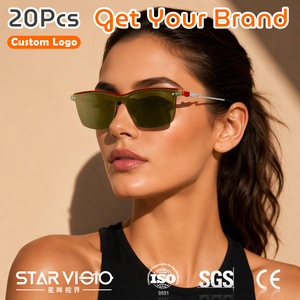
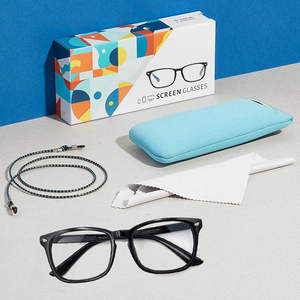
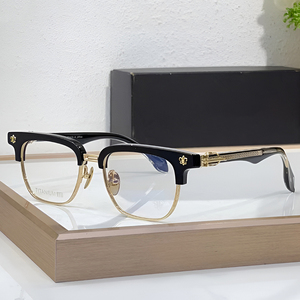
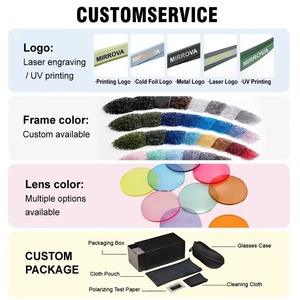
Executive Sourcing White Paper: Evaluating OEM Optical Frame Factories
A comprehensive technical audit framework for optometry groups, retail dispensary chains, and international optical brand directors.
The global eyewear landscape has transitioned into an era where precision micro-engineering, regulatory traceability, and material biopolymerization dictate retail viability. For ophthalmic frame buyers, procurement is no longer a simple catalog selection; it is an extensive supplier audit covering metallurgical stability, hinge cyclical resilience, dimensional tolerances, and multi-market chemical compliance (including REACH Annex XVII, California Proposition 65, and FDA Class I Medical Device listings).
As retail dispensaries face tightening margins and increasing patient demand for durable, lightweight frames, selecting the right Original Equipment Manufacturer (OEM) or Original Design Manufacturer (ODM) becomes the critical lever for profitability. A single millimeter discrepancy in bridge width or lens eyewire groove depth can cascade into catastrophic lens flaking, excessive beveling labor in optical labs, and heightened post-sale returns. This white paper benchmarks the key international manufacturing hubs, critical factory operational metrics, and raw material engineering matrices required to navigate high-volume frame production successfully.
Top 10 OEM Optical Frames Factories: Regional Ecosystems & Capabilities
Analyzing key manufacturing hubs, specialized facilities, and partner networks driving global eyewear production.
1. Shenzhen / Henggang Premium OEM Cluster
Renowned globally as the pinnacle of high-end acetate and pure titanium (Ti-6Al-4V) manufacturing. OEM facilities here possess multi-axis CNC milling centers, 5-barrel German OBE hinges, and micro-hand polishing lines capable of achieving pristine mirror finishes on high-density cellulose acetate (HDCA).
2. Wenzhou High-Volume Optical Facilities
The epicentre of rapid prototyping and cost-efficient metal/injection production. Modern Wenzhou tier-1 factories specialize in advanced Monel cold working, stainless steel memory alloys, and magnetic sun clip-on assemblies, delivering unmatched economies of scale for multi-store retail chains.
3. Danyang Ophthalmic & Injection Plants
Leveraging deep integration with lens manufacturing ecosystems, Danyang's leading frame producers engineer precision TR90, Ultem (PEI), and polycarbonate sports eyewear. The localized supply chain allows instantaneous eyewire-to-lens edge calibration testing.
4. Sabae (Fukui Prefecture) Titanium Artisans
The global benchmark for beta-titanium flexibility and laser sintering. Sabae OEM plants excel in featherweight, hypoallergenic rimless and semi-rimless frames, utilizing cold-drawn wire processing and vacuum ion plating (IP) for decades of corrosion resistance.
5. Belluno Cadore Valley Heritage Ateliers
Italian masters of bespoke luxury eyewear, specialized in multi-laminate block acetates, horn, and wood core frames. While unit costs are premium, Italian OEM partners deliver haute-couture hand-finishing and European origin certifications.
6. Global Optique Integrated US-Managed Supply Chain
Operating with 75+ years of optical industry experience from St. Cloud, Minnesota, Global Optique combines overseas high-volume precision manufacturing with strict US-based quality verification, 447+ off-the-shelf production dies, and comprehensive ophthalmic support across 19 specialized collections.
7. Daegu Precision Eyewear District
South Korea's high-tech eyewear capital, specializing in memory plastic injection, screwless hinge architectures, and medical-grade elastomer nosepad integration. Perfect for modern, minimalist architectural eyewear silhouettes.
8. Xiamen Bio-Resin & High-Tech Composite Mills
Pioneering in eco-friendly Rilsan Clear (bio-based polyamide derived from castor oil) and carbon fiber composite frontals. An essential sourcing hub for eco-conscious optical brands demanding verified carbon footprint data.
9. Jura Mountain Precision Micromechanics (Morez)
Historic French eyewear hub leading in proprietary hinge patents, surgical stainless steel flex temples, and micro-soldering excellence. Ideal for luxury medical-grade ophthalmic collections requiring European CE certification.
10. Taichung Optical Tooling & Sport Lab Cluster
Specialists in ballistic-grade wrap frames (ANSI Z87.1 certified), dual-shot rubberized co-injection, and prescription clip-in inserts for extreme environments. A key partner for performance and occupational eye protection brands.
Technical Benchmark Matrix: OEM Optical Frame Manufacturing
Compare raw material specifications, mechanical performance, tooling expenditure, and typical lead times.
| Frame Material Class | Tensile / Flex Yield | Density (g/cm³) | Lens Retention Index | Tooling Investment | Typical Lead Time | Key Dispensing Benefit |
|---|---|---|---|---|---|---|
| High-Density Cellulose Acetate (HDCA) | 65–85 MPa | 1.28 | High (Thermo-forming) | Low (CNC Pattern) | 60–75 Days | Deep luster, infinite color layering, cold-snap lens insertion. |
| Beta-Titanium Alloy (Ti-15V-3Cr-3Sn-3Al) | 950–1200 MPa | 4.75 | Very High (V-Bevel Groove) | Medium-High | 75–90 Days | Featherweight, 100% hypoallergenic, dynamic spring memory. |
| Ultem PEI (Polyetherimide) | 105 MPa | 1.27 | Exceptional (Rigid Eyewire) | High (Precision Steel Mold) | 45–60 Days | Aerospace-grade thermal stability (-30°C to +170°C), magnetic clip compatibility. |
| Grilamid TR-90 Swiss Polymer | 85 MPa | 1.01 | High (Flexible Snap) | Medium (Injection Mold) | 35–50 Days | Impact absorption, floatable properties, ideal for youth and active sports frames. |
| Surgical Stainless Steel (316L) | 580–720 MPa | 8.00 | Very High (Screw Lock) | Low-Medium | 50–65 Days | Ultra-thin profiles (0.6mm), high mechanical rigidity, zero nickel release. |
| Cast Bio-Acetate (M49 Compliant) | 60–80 MPa | 1.29 | High (Standard Glazing) | Low (CNC Milling) | 65–80 Days | 100% biodegradable plasticizer, phthalate-free, certified sustainable. |
Future Optical Frame Procurement Trends (2025–2030)
Anticipate structural market shifts in materials, inclusive ergonomics, smart integration, and circular supply chains.
1. Circular Polymers & Bio-Circularity
B2B buyers are phasing out traditional petroleum-derived phthalate plasticizers. Procurement contracts increasingly require ISCC-certified bio-acetates derived from renewable wood pulp and agricultural cotton linters, verified by EN 13432 biodegradability testing.
2. Inclusive Fit & Extended Bridge Geometry
Standardized "one-size-fits-all" sizing is obsolete. Leading dispensary chains are allocating over 30% of their frame boards to specialized fit collections: extended temples (150mm–160mm), ultra-wide eye sizes (58mm–64mm) as featured in Wide Guyz, and universal shallow-bridge Asian/Alternative Fit geometries.
3. Hybrid Modular Magnetic Architectures
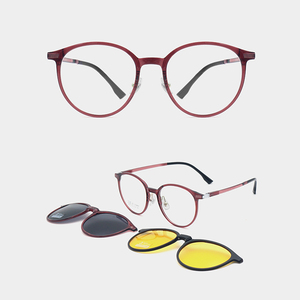
Consumers prioritize versatility. OEM factories are shifting production from standalone sun frames to 3-in-1 modular systems that seamlessly dock polarized, amber blue-blocker, or driving clips onto slimline Ultem and titanium ophthalmic bases using high-remanence Neodymium (NdFeB) micro-magnets.
4. Nearshore US Inventory Buffering
Supply chain turbulence and volatile ocean freight rates are driving optical buyers toward hybrid sourcing: leveraging offshore manufacturing coupled with bonded US domestic distribution hubs (such as Global Optique's St. Cloud facility) to ensure 48-hour replenishments on essential frame SKUs.
75+ Years of Proven Optical Curation & Distribution Expertise
Bridging global manufacturing capacity with domestic clinical insight and strict American optical standards.
Unbroken Optical Heritage
Headquartered in St. Cloud, Minnesota, our team is rooted in over 75 years of continuous optical frame curation. We speak the language of ophthalmic dispensing opticians, lab technicians, and retail chain buyers, ensuring that every frame delivers hassle-free edging and all-day patient comfort.
19 Diversified Proprietary Brands
Our catalog encompasses 447+ fully certified styles covering adult high-fashion (Chic, Paola Belle, Contessa), rugged male profiles (Journeyman), certified safety frames (armouRx), youth and licensed favorites (Dr. Seuss, Who-Ville, Kidz Eyez, Tots), and aerospace metals (Executive Titanium).
Zero-Tolerance Quality Control
Every production run undergoes strict metallurgical, hinge torque (tested to 20,000 continuous cycles), sweat/corrosion immersion, and dimensional eyewire inspections before receiving clearance for professional dispensary fulfillment.
Frequently Asked Questions for OEM Optical Frame Procurement
Direct answers to critical B2B manufacturing, compliance, minimum order quantities, and testing inquiries.
What are the standard Minimum Order Quantities (MOQ) for custom OEM optical frame production?
Which international quality and medical device certifications must an optical frame factory hold?
What is the difference between pure titanium and beta-titanium in ophthalmic frame construction?
How can optical retail chains prevent lens pop-out and eyewire flaking when dispensing frames?
How does Ultem (PEI) compare to traditional TR-90 in everyday optical dispensing?
Can international distributors and private practices partner with Global Optique for customized frame assortments?
Transform Your Eyewear Assortment with Proven Optical Leaders
Connect with our US-based optical curation and OEM supply specialists today. Request an exhaustive wholesale catalog, sample verification kits, or custom brand board consultations.
Inquire Now