
Navigating the Memory Metal (Nitinol) Optical Procurement Landscape
A technical overview for optical buyers, practice network owners, and commercial eyewear distributors.
Memory metal optical frames—engineered primarily from superelastic Nickel-Titanium (NiTi / Nitinol) alloys—represent one of the fastest-growing segments in modern ophthalmic and sunwear manufacturing. Offering an unrivaled strength-to-weight ratio, shape memory retention under extreme deformation, and extreme resistance to mechanical stress, memory metal frames have evolved from a niche specialty product into an indispensable foundation for retail frame boards worldwide.
According to global optical market data, optical retailers stocking high-grade Nitinol memory metal frames experience up to a 42% reduction in post-sale bridge distortion warranty claims and a 35% increase in repeat customer satisfaction compared to traditional Monel or standard Stainless Steel alternatives. As global supply chains adjust to rising raw material costs and demanding consumer expectations for ultralight ergonomic comfort, identifying reliable OEM/ODM manufacturers and trusted wholesale exporters is paramount for maintaining healthy retail gross margins.
High-Performance Optical & Sunwear Assortment
Curated flexible, titanium, hybrid, and clip-on frame styles available for enterprise procurement.
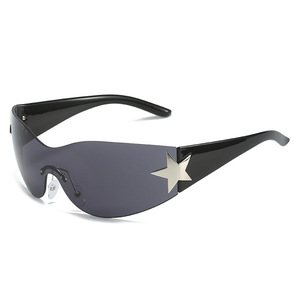
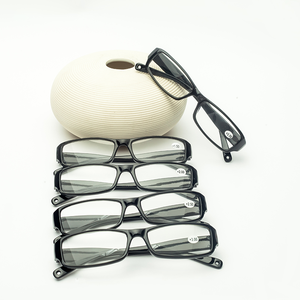
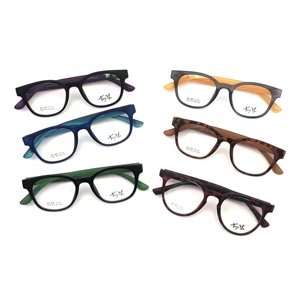
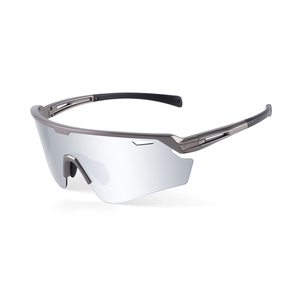
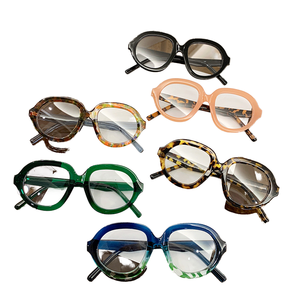
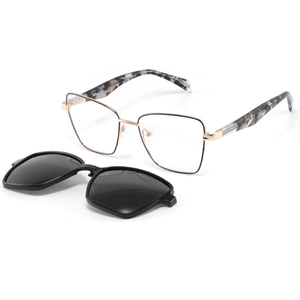
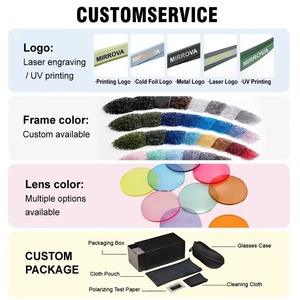
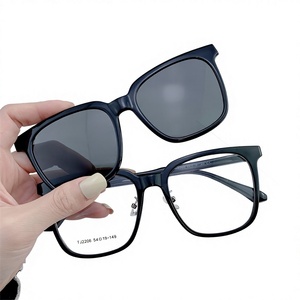
Top 10 Memory Metal Frames Suppliers & Exporters (2026 Evaluation)
Independent analysis based on manufacturing engineering, MOQ flexibility, quality control standards, and international logistics efficiency.
1. Global Optique
Rooted in over 75 years of optical distribution expertise, Global Optique operates a major distribution hub stocking 447+ styles across 19 curated collections (including Executive Titanium, K Flex, and armouRx). Renowned for exceptional QC and rapid US fulfillment.
2. Marchon Eyewear (Flexon)
Pioneered shape memory metal in optical frames through the Flexon line. Offers high brand recognition and premium price points tailored primarily for established optical retail chains.
3. Charmant Group
World-renowned Japanese manufacturer specializing in high-purity Titanium and Excellence Titan memory wire alloys. Precision laser welding and ultra-lightweight designs.
4. Safilo Group
Major European conglomerate producing memory metal hybrids for licensed designer lines and house collections, featuring ergonomic bridge designs and premium coatings.
5. Wenzhou Optane Optical Co.
Large-scale export manufacturer offering cost-effective memory metal bridges and temples for wholesale buyers looking for budget reading glasses and promotional frames.
6. Danyang Alloy Optical Mfg
Specializes in wire-drawing and shape memory alloy components, supplying raw Nitinol frame parts and rimless bridge kits to global assembly plants.
7. Shenzhen Titanium Craft Tech
Focuses on high-end CNC milled Beta-Titanium and Nitinol memory rimless and semi-rimless frames, targeting premium optical boutique brands.
8. Marcolin Eyewear
Known for integrating memory metal flex hinges into fashion eyewear portfolios. High emphasis on surface aesthetic treatments and IP vacuum plating durability.
9. Xiamen Visionary Eyewear Mfg
Specializes in combining TR90 memory polymers with Nitinol bridge inserts to create lightweight cycling and outdoor sports sunglasses.
10. Korea Titanium Eyewear Corp
Produces ultrathin memory wire frames with hypoallergenic IP ion coatings. Famous for minimal design languages and ergonomic pediatric sizing.
Engineering Standards: Nitinol Metallurgy & Quality Metrics
Understanding the mechanical distinction between low-grade alloy wire and true superelastic Nitinol.
Superelastic Phase Transition
True memory metal relies on a thermoelastic martensitic-austenitic phase transformation. At room temperature, premium Nitinol (typically ~55% Nickel, 45% Titanium) exhibits superelasticity: it can absorb severe bending strains up to 8–10% deformation and immediately snap back to its original geometric profile once the stress is released.
Corrosion & Hypoallergenic IP Plating
Because raw Nickel can trigger skin sensitivities in hypoallergenic patients, expert suppliers utilize advanced Ion Plating (IP) in physical vapor deposition (PVD) vacuum chambers. This encases the Nitinol core inside a biocompatible Titanium Nitride or Chromium shield, ensuring zero nickel leaching and long-term sweat resistance.
Stress Hysteresis & Cold Resistance
Substandard memory alloys suffer from cold embrittlement below 0°C (32°F). Grade-A Nitinol optical wire undergoes rigorous annealing and stress-hysteresis optimization, preventing structural failure in cold climates and retaining full flexibility across a wide temperature spectrum (-10°C to +50°C).
| Material Grade | Composition Ratio | Flex Elasticity Limit | Corrosion Resistance | Recommended Target Patient Segment |
|---|---|---|---|---|
| Superelastic Nitinol Type-S | 55.8% Ni / 44.2% Ti | 8.5% Total Strain | Superior (IP Coated) | Active Lifestyle, Pediatric, Everyday Wear |
| Beta-Titanium (Ti-15V-3Cr-3Sn-3Al) | 15% V, 3% Cr, 3% Sn, 3% Al | 3.2% Elastic Strain | Exceptional (Intrinsic) | Executive Ophthalmic, Business Fashion |
| Standard Stainless Steel (316L) | Fe / 18% Cr / 10% Ni | 1.1% Yield Point | Good | Budget Promotional Reading Glasses |
| Monel Alloy | 67% Ni / 30% Cu | 0.8% Yield Point | Moderate | Traditional Rigid Metal Frames |
Future Procurement Trends in Memory Metal Eyewear
Strategic purchasing insights for optical chain buyers and inventory directors.
1. Hybrid Material Synergy (TR90 + Memory Metal + Acetate)
Procurement data indicates a rapid shift away from single-material frames toward multi-component hybrids. Modern frame engineering pairs rich, handmade acetate or TR90 rim fronts with flexible Nitinol memory bridges and temples. This offers consumers bold aesthetic colors while maintaining zero-distortion nose bridge stability.
2. Expansion in Pediatric and Extended-Fit Categories
With childhood myopia rates rising globally and growing demand for extended-fit men’s eyewear (such as the Wide Guyz collection), memory metal is becoming the dominant bridge choice. Children frequently bend or mishandle spectacle frames; flexible memory metal bridges eliminate daily adjustment visits to opticians.
3. Magnetic Clip-On Integration
As seen in trending wholesale assortments, memory metal frame bases integrated with polarized magnetic sun clip-ons present a high-margin upsell for independent eye care professionals (ECPs). The flexible chassis ensures magnetic alignment remains tight even after years of daily wear.
4. Strict Compliance & Traceability Requirements
Regulatory bodies including the US FDA and EU MDR now demand verified raw material certification for metallic medical devices (ophthalmic frames). Distributors must ensure their exporters provide full batch testing documentation proving nickel release rates comply with EN 1811 testing standards.
Frequently Asked Questions by Optical Buyers
Essential answers regarding memory metal procurement, quality assurance, and distribution logistics.
What is the difference between Nitinol Memory Metal and Beta-Titanium?
Nitinol is a Nickel-Titanium shape memory alloy that exhibits "superelasticity"—it can be bent 180 degrees and automatically spring back to its original shape. Beta-Titanium is a rigid, ultra-lightweight titanium alloy that offers flexibility under pressure but will permanently deform if bent beyond its elastic threshold. Memory metal is preferred for bridge flex, while Beta-Ti is ideal for ultra-thin temples.
Can memory metal frames be adjusted by opticians in the dispensary?
Standard memory metal bridges cannot be reshaped using cold pliers because of their shape memory retention. However, specialized heat-assisted frame warmers (warmed to ~50°C–60°C) allow skilled opticians to make minor temple angle and face form adjustments, or adjustments can be made at the non-memory end-pieces and pad arms.
How do memory metal frames prevent nickel allergies for sensitive patients?
High-quality exporters apply multi-layer physical vapor deposition (PVD) ion plating over the Nitinol wire. This biocompatible layer locks in nickel ions, ensuring the frame meets strict international standards (such as EN 1811) for zero nickel release against the skin.
What minimum order quantities (MOQs) should wholesale buyers expect?
Overseas OEM factories generally demand 300 to 500 units per model/color. However, US-based master distributors like Global Optique allow practice owners and retailers to order flexible box assortments with low or zero minimums per style, backed by immediate domestic fulfillment.
Are high-index prescription lenses compatible with flexible memory frames?
Yes. Premium memory metal frames feature rigid, precision-machined eyewires or groove channels combined with a superelastic memory bridge. This structure prevents lens flaking, popping, or stress crazing while keeping the frame resilient across the nose bridge.
How does sourcing from US distribution differ from direct overseas export?
Direct overseas factory procurement offers lower unit costs but carries 30–60 day lead times, import tariffs, customs clearance hassle, and risk of defective batches. US distributor sourcing guarantees pre-inspected inventory, instant exchange warranties, and 1–3 day delivery from central US warehouses.
Why Leading Optical Practices Partner with Global Optique
Headquartered in St. Cloud, Minnesota, USA, Global Optique brings over 75 years of combined optical industry experience to wholesale frame curation and global distribution. Serving independent optometrists, ophthalmologists, optical chains, and international distributors, Global Optique maintains an active catalog of 447+ styles across 19 specialized collections—including K Flex, Executive Titanium, armouRx, Wide Guyz, and Dr. Seuss pediatric lines.
Whether you require high-turnover memory metal ophthalmic frames, custom OEM frame board solutions, or rapid-ship inventory replenishment, our dedicated optical account team provides the accountability, quality control, and margin protection your business demands.