
Multifocal Optical
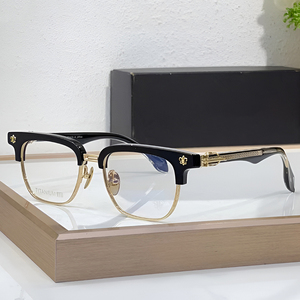
Explore eight market-tested, high-turnover optical platforms designed to satisfy strict ophthalmic prescription glazing requirements while commanding premium retail fashion margins.
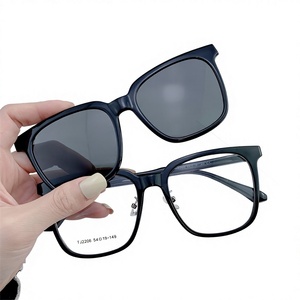
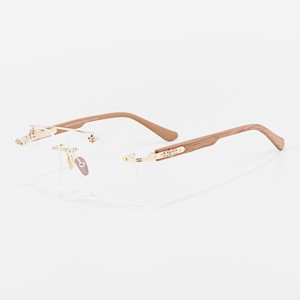
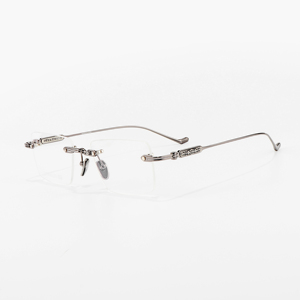
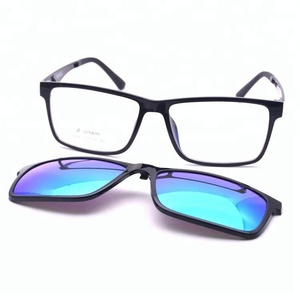
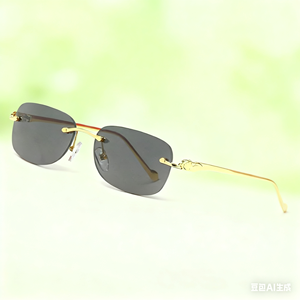
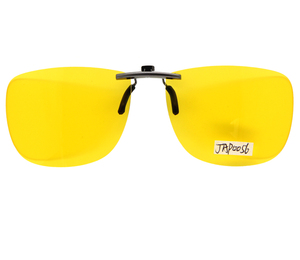
Unlike generic trading houses, Global Optique operates from St. Cloud, Minnesota, bridging precision domestic market specifications with state-of-the-art overseas manufacturing hubs. We solve the critical retail disconnect: balancing uncompromising ophthalmic tolerances with high-turnover fashion silhouettes across 19 curated, specialized eyewear lines.
Every fashion frame is constructed from raw materials optimized for prescription cold and hot glazing. We engineer precise eyewire grooves ensuring high index, progressive, and multifocal lenses stay securely seated without frame warping.
Eliminate dispensing blind spots with catalog ranges dedicated to hard-to-fit demographics. Our proprietary Wide Guyz line features 150mm+ temple runs and extended bridges, while Junior Elements ensures anatomical pediatric compliance.
Disrupt traditional 12-week factory lead times. By centralizing domestic inventory in Minnesota, we maintain immediate fulfillment capability, allowing independent optometry practices to restock without committing to massive factory minimums.
A procurement director's technical roadmap for auditing Tier-1 and Tier-2 eyewear facilities across Italy, China, Japan, and the United States.
Procuring bulk fashion eyewear at commercial scale requires looking past high-gloss digital showrooms and evaluating core industrial manufacturing variables: metallurgy purity, polymer curing cycles, robotic polishing consistency, and electrostatic plating durability. When assessing the top 10 eyewear manufacturing clusters worldwide, procurement executives must balance per-unit economics against returned-goods rates (RGA) and dispensing bench adjustments.
The Ophthalmic Procurement Standard: High-fashion frames that lack ophthalmic structural integrity create severe downstream friction at optical laboratories. An un-annealed acetate or low-grade zinc rim will snap, twist, or bubble under heat-hydraulic lens edging. True industrial excellence unites aesthetic silhouette innovations with strict mechanical stress resistance.
The global contract manufacturing ecosystem divides into precise technological clusters, each offering specific technical and commercial advantages:
Primary Strength: High-end CNC Acetate & Beta-Titanium. Shenzhen houses the elite production lines responsible for European luxury subcontracting, delivering superior hand-polishing and tight barrel tolerance.
Primary Strength: High-Volume Scale, TR90 Injection & Mass Optical Glazing. The global epicenter for cost-effective clip-on frames, polarized sunwear sets, and immediate bulk inventory turns.
Primary Strength: Heritage Mazzucchelli Acetate milling, distinctive temple lamination, and heritage European styling with traditional artisan manufacturing protocols.
Primary Strength: Japanese Pure Titanium and Beta-Titanium drawing. World benchmark for hypoallergenic featherweight frames, micro-laser welds, and vacuum ion-plating.
Strategic analysis of changing materials science, digital ordering platforms, and supply chain risk mitigation shaping eyewear procurement.
Global regulatory bodies (notably REACH and evolving US state guidelines) are accelerating the shift toward renewable cellulose acetate and bio-based TR90. Leading factories are phasing out traditional diethyl phthalate (DEP) plasticizers in favor of plant-based substitutes that maintain dimensional stability during lens heat-glazing.
Consumer demand for consolidated lifestyle eyewear is driving rapid adoption of integrated magnetic frames. Collections combining an ophthalmic base with polarized TAC, blue-light blockers, and amber high-contrast clips provide multiple pairs of eyewear functionality in a single purchase, delivering exceptionally high margins for retail practices.
Traditional sea freight cycles of 60 to 90 days are yielding to hybrid supply networks. Corporate buyers now leverage central North American consolidation points (like Global Optique's Minnesota center) to support immediate 48-hour turnarounds on fast-depleting SKUs, reserving bulk ocean orders strictly for predictable seasonal base inventory.
How CAD/CAM tooling, multi-axis machining, and modern ergonomic standards are reshaping everyday fashion frames.
The boundary between purely functional ophthalmic appliances and trend-driven fashion accessories has dissolved. Contemporary consumers expect eyewear that delivers all-day structural comfort alongside runaway aesthetic appeal. This evolution requires frame designers and factories to master several foundational manufacturing challenges:
Historical acetate frames suffered from excess weight, averaging 32 to 45 grams per assembly, leading to facial pressure fatigue and bridge slippage. By using high-density compression curing, modern factories achieve structural rigidity at sheet thicknesses under 3.5mm (compared to historical 6.0mm standards), shedding over 40% of frame mass without compromising tensile resistance or lens retention.
Rimless and semi-rimless frames, such as our pure titanium and double-bridge wood lines, require specialized hardware isolation. Precision silicone compression gaskets and dual-point torque bushings ensure drill-mount progressive lenses never experience direct metal-to-glass contact, completely preventing stress fractures under everyday handling.
Modern bulk assortments increasingly favor universal-fit bridge architectures, including modified saddle bridges and adjustable titanium pad arms. These configurations fit diverse cranial shapes, broader nasal roots, and high-cheekbone facial profiles without requiring complex, inventory-bloating regional SKU splits.
Essential guidance covering ophthalmic testing certifications, minimum order parameters, and custom brand engineering.
Factory purchase orders should require written compliance with ISO 12870 (Ophthalmic Optics - Spectacle Frames), covering bridge deformation limits, temple endurance cycles (minimum 500 open-close strokes without loose play), sweat-corrosion resistance (24-hour artificial perspiration immersion), and flame retardancy. Sunglass models must strictly comply with ANSI Z80.3 and EN ISO 12312-1 for optical clarity and 100% UV400 blocking efficiency.
Traditional overseas production runs mandate 300 to 1,200 pieces per colorway, tying up hundreds of thousands of dollars in capital. Global Optique absorbs these mass factory commitments into our St. Cloud, Minnesota distribution center. Verified practices and retail partners can purchase balanced assortments in manageable pack sizes across 19 specialized collections, allowing lean inventory and rapid stock rotations.
Yes. Our frames are engineered with standard 4.0 to 6.0 base curves, calibrated eyewire depths, and reinforced bridge geometry. This ensures optical labs can insert high plus, high minus, and freeform progressive lenses without warping the frame front, creating unintended astigmatic distortion, or ejecting lenses under thermal variance.
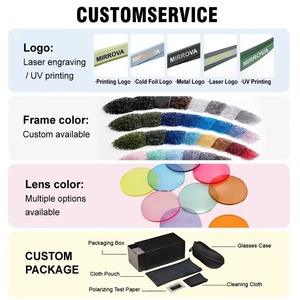
For qualifying commercial wholesale orders, we provide turnkey OEM/ODM customization: micro-laser inner-temple printing, pad-printed demo lenses, custom demo lens blocker templates, branded microfiber textiles, and tailored clamshell packaging built to your specific optical chain requirements.
Connect directly with our optical procurement specialists. Unlock certified wholesale tiered pricing, request physical sample evaluation assortments, or discuss custom brand manufacturing.