
Featured OEM Eyewear & Sample Models
Direct from our manufacturing line: Engineered for safety, comfort, and high compliance across global markets.
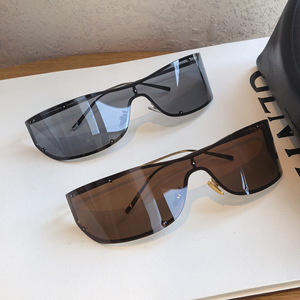
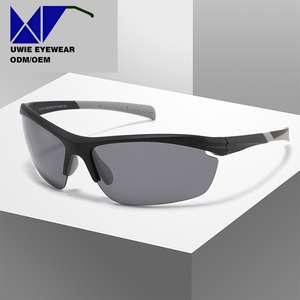
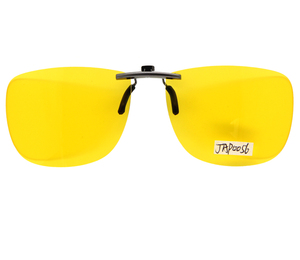
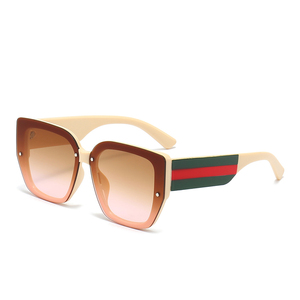
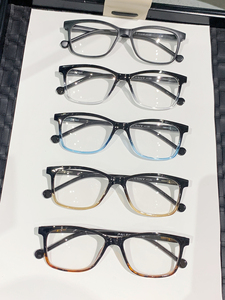
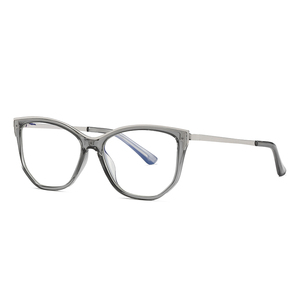
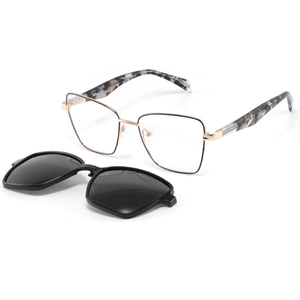
Engineering Excellence in Pediatric Eyewear
Combining biocompatible material science with ergonomic pediatric frame design.
Medical-Grade LSR Silicone
Utilizing platinum-cured Liquid Silicone Rubber (LSR) that is hypoallergenic, free from BPA, phthalates, and latex, guaranteeing zero skin irritation for toddlers and pediatric users.
Screwless & Metal-Free Hinges
Innovative 180° to 360° flexible hinge designs without tiny metal screws, preventing ocular injury during physical activity and eliminating corrosion risks.
Anthropometric Ergonomics
Customized frame bridge contours specifically calibrated to undeveloped pediatric nasal bridges, distributing frame weight evenly to prevent slipping.
Material Performance Matrix
Why Liquid Silicone Rubber (LSR) outshines traditional eyewear plastics in pediatric applications.
| Performance Property | LSR Liquid Silicone Rubber | Standard TPE / TPR | Traditional TR90 Nylon |
|---|---|---|---|
| Biocompatibility Standard | ISO 10993 & FDA 21 CFR Compliant | Variable / Industrial Grade | Standard Optical Plastic |
| Flexural Durability | Infinite Bending Memory (>100,000 cycles) | Moderate (Degrades under UV) | Rigid (Prone to snap under impact) |
| Skin Toxicity & Allergy | Hypoallergenic / Zero Plasticizers | Risk of Leachables / Odor | Requires Coatings |
| Thermal Stability | -40°C to +180°C (No Deformation) | -10°C to +60°C | Deforms at high temp |
| Weight & Comfort | Ultra-Lightweight / Soft Touch (Shore A 45-60) | Medium Rubber Finish | Hard Surface Feel |
Whitepaper: Industrial Architecture & Future Trends in Custom Silicone Kids Eyewear
As pediatric eye health gains global focus due to rising childhood myopia rates, the demand for specialized, high-performance children's frames has shifted from simple miniaturized adult spectacles to highly sophisticated, material-engineered optical devices. As a premier Custom OEM Silicone Kids Eyewear Factory & Supplier backed by over 75 years of optical industry experience from Minnesota, USA, Global Optique leads the research, development, and high-precision injection molding of liquid silicone frames tailored specifically for global brand partners, hospital networks, and optical distributors.
1. Material Science Innovations: Liquid Silicone Rubber (LSR) vs. Thermoplastic Elastomers
The core vulnerability of traditional children's eyewear lies in material fatigue and rigidity. Conventional plastics like Acetate or Polycarbonate are prone to brittle fracture upon severe physical impact, posing traumatic risks to the facial and ocular structures of active children. Furthermore, low-cost Thermoplastic Elastomers (TPE) often leach plasticizers over prolonged exposure to skin oils and ambient heat, resulting in localized allergic contact dermatitis.
Our OEM manufacturing facility leverages dual-component platinum-cured Liquid Silicone Rubber (LSR). LSR exhibits unique chemical inertness, high tear strength (>35 N/mm), and extraordinary elastic recovery. Through advanced multi-shot co-injection molding (2K molding), we fuse a rigid TR90 core inside a soft, food-grade silicone exterior shell. This achieves structural rigidity for lens bevel retention while keeping skin-contact zones soft and bio-safe.
2. Anthropometric Pediatric Design & Ergonomic Load Distribution
Children are not merely smaller adults; their facial anatomy exhibits distinct cephalometric differences. Specifically, infants and young children possess undeveloped, flatter nasal bridges, shorter ear-to-eye distances, and higher suborbital fat density. Standard optical frames tend to slide down continuously, causing children to look over the optical center of the prescription lenses—a critical failure in myopia management or amblyopia therapy.
Our engineering team utilizes comprehensive 3D pediatric facial databases to formulate dynamic weight distribution geometry:
- Saddle Bridge Architecture: Expands the contact surface area across the nasal crest by 300%, reducing downward pressure to less than 0.5 g/cm².
- Pantoscopic Angle Optimization: Angles the lens plane between 4° to 6° to compensate for children's upward gaze tendencies during physical play and classroom learning.
- Anatomic Wrap Temples: Ergonomically curved temple arms that naturally wrap around the occipital bone without applying pinching pressure to the mastoid process.
3. Global Procurement Trends: What Buyers Must Anticipate (2025–2030)
Strategic purchasing managers and brand owners must align their product roadmaps with evolving global regulatory frameworks and consumer performance expectations:
- Integration with Myopia Management Lenses: With the rapid adoption of Defocus Incorporated Multiple Segments (DIMS) and Highly Aspherical Lenslet Target (HALT) lenses, frame stability is paramount. Silicone frames must guarantee zero flex along the front rim to maintain precise centration of defocus zones relative to the child's visual axis.
- Screwless & Detachable Hinge Mechanisms: Global importers are phasing out metal screw hinges in pediatric lines to comply with strict safety mandates (such as EN 71-3, CPSIA, and ISO 12870). High-durability plug-in silicon hinges cut warranty return rates by up to 85%.
- Micro-Antimicrobial Silicone Compounds: Post-pandemic procurement trends favor non-leaching ionic silver additives embedded directly into the silicone matrix, preventing fungal and bacterial growth on worn frame surfaces.
4. Strategic OEM/ODM Sourcing Workflow
Transitioning from a product concept to mass production requires a streamlined engineering process. Our factory operates a transparent 5-step workflow designed to minimize tooling lead times and guarantee optical precision:
Rapid 3D modeling and digital fit simulation against pediatric facial databases.
3D SLA printed samples & Shore A durometer silicon prototype testing.
Sub-millimeter CNC EDM steel mold machining for liquid silicone injection.
Automated cleanroom molding fusing TR90 skeletal cores with LSR silicone.
100% bevel inspection, hinge flex fatigue testing, and global compliance audit.
Frequently Asked Procurement Questions
Key technical and logistics inquiries from brand managers, optical chains, and OEM buyers.
Partner with a Trusted OEM/ODM Silicone Eyewear Manufacturer
Leverage our 75+ years of optical industry experience, medical-grade LSR molding, and American quality standards to launch your next bestselling children's frame collection.