ISO 9001 & ISO 12870 Optical Engineering Hub

Custom OEM Eyewear Frames Factories & Suppliers

Precision Ophthalmic Tooling, Medical-Grade Titanium, Lightweight Polymers & Turnkey Private Label Manufacturing Backed by 75+ Years of Optical Heritage

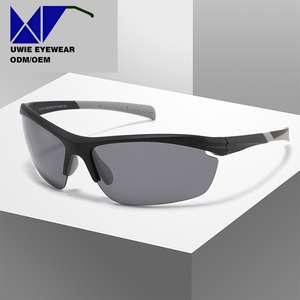
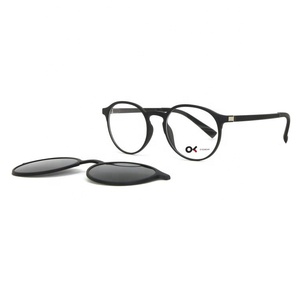
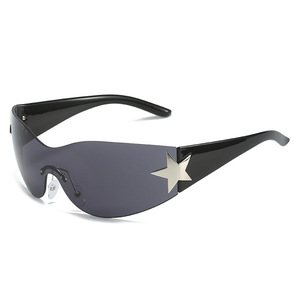
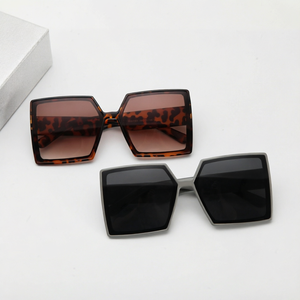
Production-Ready Tooling Assortment

Explore our pre-tooled, rapid-customization platforms engineered for independent practice networks, retail optical brands, and multinational optical distributors requiring certified tolerances and rapid market deployment.

Enterprise Manufacturing Architecture

Rooted in 75+ Years of Ophthalmic Excellence & Global Supply Precision

Headquartered in St. Cloud, Minnesota, our enterprise combines domestic US distribution infrastructure with precision offshore casting, 5-axis CNC machining, and automated cleanroom assembly lines. We de-risk eyewear supply chains for independent practices and volume retail brands alike.

75+
Years Industry Proven
Continuous optical heritage since mid-century ophthalmic tooling
447+
Active Frame Toolings
Rapid private-label molds available across adult, youth, and extended-fit
19
Specialized Collections
Encompassing titanium, high-tech memory polymers, and safety lines
<0.12%
Dispensing Defect Rate
Six-Sigma QA protocol adhering to ANSI Z80.5 & ISO 12870 standard

Dual-Node Logistics & US Warehousing

Unlike broker-only trading companies, our St. Cloud, Minnesota central hub holds domestic ready-stock inventory for immediate replenishment, backed by direct manufacturing plants overseas for container-load contract runs. This bifurcated structure safeguards buyers against tariff turbulence and freight bottlenecks.

Proprietary Curated Brand Lines

Our OEM portfolio produces trusted names like armouRx for industrial safety eyewear, Wide Guyz for extended ergonomic temples, Kishimoto Signature for executive titanium, and Dr. Seuss / Tots for pediatrician-endorsed youth durability. Buyers can tap into these proven geometries or license private-mold variations.

5-Axis Micro-CNC & Tooling Precision

We operate German and Japanese high-speed CNC milling centers delivering ±0.03mm lens groove tolerances. This eliminates cold-snap glazing failures at the dispensary lab, ensuring that minus cylinder power prescriptions mount flush without inducing peripheral optical aberrations or frame warping.

Severe Environmental & Fatigue Testing

Every batch undergoes 20,000-cycle spring hinge flex cycles, 72-hour synthetic sweat immersion (ISO 12870 nickel release <0.5μg/cm²/week), and drop-ball impact resistance testing conforming with FDA 21 CFR 801.410, ensuring absolute dispensary peace of mind and minimal warranty returns.

Dedicated Optician-Led Account Teams

Our B2B procurement advisors are trained ophthalmic technicians, not generic export agents. We review bridge splay angles, pantoscopic tilts, pupillary distance distributions, and temple return curves to ensure your curated assortment satisfies the demographic realities of your target clinic or retail base.

Comprehensive Private Label Branding

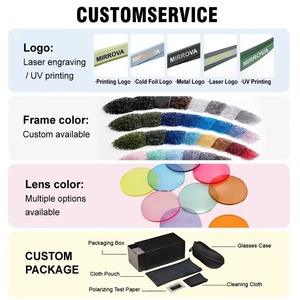
From micro-laser temple engraving, foil stamping, bespoke dual-density nose pads, to custom case suites and branded microfiber cloth bundles with retail barcodes (UPC/EAN/GS1). We provide a seamless turnkey program that empowers your brand identity from factory box to end-consumer dispense.

Strategic Sourcing Whitepaper Insights

B2B eyewear procurement is pivoting from low-cost bulk sourcing toward engineered sustainability, morphologically inclusive fits, and smart hardware integration. Procurement directors must calibrate their supply chain pipelines to reflect these four paradigm shifts.

Material Engineering Shift

1. High-Density Bio-Acetates & Circular Monomers

Conventional petroleum-derived cellulose acetate is rapidly being replaced by bio-based formulations plasticized with triacetin derived from renewable coniferous wood pulp and cotton seed linter. Procurement leaders are prioritizing suppliers with ISCC PLUS (International Sustainability and Carbon Certification) and ISO 14855 biodegradability credentials.

  • Phthalate-free chemical composition eliminating skin leaching
  • Higher surface hardness (Rockwell R-scale >105) for lasting polish
  • Decreased moisture absorption preventing frame bowing in humid climates
Anthropometric Fit Evolution

2. Wide-Fit Ergonomics & Cranial Inclusivity

Standardized European fit models frequently generate severe temporal pressure and temple flare on diverse adult demographics. As pioneered in our Wide Guyz collection, corporate buyers are demanding extended bridge geometries (19mm–22mm), lens widths ranging up to 65mm, and temple lengths of 150mm–160mm calibrated to eliminate mastoid process pinching.

  • Optimized pantoscopic tilt (8°–10°) for multi-focal progressive corridor accuracy
  • Compound bend end-pieces eliminating dispensary bench heating requirements
  • Broadened demographic market capture across high-BMI and extended-size consumers
Modular Mechanical Integration

3. Magnetic 2-in-1 Polarization & Clip Architectures

Consumers increasingly reject carrying separate prescription opticals and dedicated prescription sunwear. High-yield optical dispensaries are investing heavily in magnetic Ultem (PEI) and beta-titanium chassis equipped with concealed NdFeB (Neodymium-Iron-Boron) magnets that securely bond polarized sun clips without damaging ophthalmic anti-reflective (AR) coatings.

  • Integrated magnetic bridge anchors withstanding 50 km/h wind shear
  • Triacetate Cellulose (TAC) 1.1mm lens inserts with UV400 and blue-block layers
  • Double the gross margin per dispensary slot with 40% lower manufacturing tooling overhead
Supply Chain Agility

4. Low-MOQ Fast-Turn Prototyping & SLA Additive Molds

The historical model of commissioning 1,200-pair steel tooling runs with 120-day lead times is obsolete. Advanced OEM suppliers leverage stereolithography (SLA) 3D functional polymer printing and rapid modular steel inserts, slashing new-collection sampling cycles from 16 weeks to under 14 days, enabling brands to test micro-capsules before committing capital.

  • Rapid-injection test tooling with pilot runs as low as 300 pieces per SKU
  • Real-time CAD/CAM file interchange with photorealistic 3D virtual rendering
  • Decentralized production allocation avoiding tariff surcharges and port congestion
Optical Material Science Deep-Dive

Substrate Metallurgy & Polymer Comparison Matrix

Selecting the optimal substrate dictates the structural life, dispensary adaptability, weight profile, and patient satisfaction of your eyewear collection. Below is an engineering benchmark of the primary materials machined across our facilities.

Substrate Material Density (g/cm³) Tensile Yield Strength (MPa) Dispensary Glazing Flexibility Hypoallergenic Rating Primary Clinical Demographic
Japanese Beta-Titanium (Ti-15V-3Cr-3Sn-3Al) 4.51 880 – 960 Cold-snap or gentle heat; ultra-resilient memory bend 100% Bio-Inert Executive luxury, ultra-lightweight daily wear, sensitive skin patients
Swiss Grilamid TR90 (Polyamide 12) 1.02 65 – 85 Cold-snap glazing; extreme elastic recovery limit Non-Toxic / Medical Sports cycling, high-impact tactical sunwear, active pediatric lines
Aero-Grade Ultem (Polyetherimide - PEI) 1.27 105 – 115 Thermal resistance to 170°C; snaps at room temp FDA Food-Grade 2-in-1 magnetic clip-on frames, minimalist thin-profile ophthalmic
Cellulose Acetate (Bio-Plasticized Cotton Linter) 1.28 – 1.32 45 – 55 Warm glass bead bench warming (60°C–70°C); highly moldable Dermatologically Safe Fashion forward styling, rich tortoiseshell colors, high prescription rim depth
Medical Grade 316L Stainless Steel 7.95 290 – 320 Excellent malleability; requires standard plier bench alignment Requires Passivation Slim-line metal ophthalmic, navigator profiles, high-strength budget frames
Procurement Due Diligence

Frequently Asked Questions for Optical Buyers & Brands

Actionable answers to technical, logistical, and compliance questions asked by purchasing directors, practice management networks, and private-label eyewear entrepreneurs.

What are the minimum order quantities (MOQ) for custom OEM molds versus catalog stock customization?
For catalog stock selections (including our 447+ open molds in TR90, Ultem, and Acetate), the MOQ starts as low as 100 to 300 pieces per model, allowing split colorways (e.g., 50 pieces per color SKU) with your custom laser branding or pad-printed temple inscriptions. For entirely bespoke OEM tooling requiring proprietary CNC steel mold opening, our standard MOQ is typically 1,200 pieces per mold across 3 to 4 color iterations. We also offer rapid pilot tooling runs for select enterprise accounts with scalable multi-season distribution contracts.
How does your quality control framework ensure compliance with FDA and CE medical device mandates?
All ophthalmic frames and sunglasses produced under our OEM programs comply fully with the European Medical Device Regulation (EU MDR 2017/745 Class I), CE EN ISO 12870, and US FDA 21 CFR 801.410 (Drop-Ball Impact Specification). Our quality management protocols operate under audited ISO 9001 and ISO 13485 standards. Our testing lab conducts standardized spectrophotometer UV-cutoff verification, nickel release testing according to BS EN 1811, and bridge-endurance flexural fatigue tests up to 25,000 cycles before any lot release certificate (CoC) is authorized.
What hinge technologies and hardware components do you incorporate into custom frame manufacturing?
We partner with leading global hardware specialists, including German OBE and Italian Visottica-Comotec hinge components. Depending on your brand positioning, we integrate multi-barrel barrel joints (3-barrel, 5-barrel, and ultra-sturdy 7-barrel rivets with safety locknuts), internal spring-loaded OBE flex mechanisms, screwless cylindrical friction-hinges for minimalist titanium lines, and pinch-proof elastomeric safety hinges designed specifically for pediatric collections such as Tots and Dr. Seuss.
Can you support Rx optical lens glazing and automated lab-edging before delivery?
Yes. Beyond supplying raw frame chassis with demonstration clear lenses (demo acrylic with customized brand pad-printing), our facilities feature in-house optical edging lines equipped with computerized Essilor and Santinelli lens edgers. We can supply complete ready-to-wear reading spectacles with scratch-resistant diopters (+1.00D to +3.50D), blue-light filtering optical CR-39 / 1.56 middle-index lenses, and plano UV400 polarized sun lenses tailored precisely to your bevel depth requirements.
What are the lead times from CAD design sign-off to full production delivery?
For existing catalog models requiring custom pad printing, surface finishing, and bespoke retail packaging, standard dispatch from our Minnesota or bonded overseas facilities is achieved within 15 to 25 business days. For brand-new OEM tooling projects: 3D SLA functional prototyping takes 7–10 days; steel mold injection/CNC tooling takes 35–45 days; pilot samples are dispatched for fit-testing within 10 days; and mass production typically finishes within 45–60 days post sample golden-seal approval.
How does your enterprise handle shipping logistics, import customs, and bonded warehousing?
We provide comprehensive Incoterms including EXW, FOB (Shanghai/Hong Kong/Ningbo), CIF, and fully cleared DDP (Delivered Duty Paid) to your US or international corporate warehouse. Because our headquarters and master logistics distribution center reside in St. Cloud, Minnesota, US buyers can contract domestically without opening foreign letters of credit (LC), avoiding tariff headaches while benefiting from flexible domestic payment terms and consolidated domestic freight.

Transform Your Eyewear Assortment with Proven Manufacturing Precision

Whether you require rapid replenishment of high-turnover acetate silhouettes, pediatric safety frames, or bespoke titanium tooling engineered to your exact anthropometric specifications, our optical engineering team is at your disposal.