
Engineered Optical Frames & Hybrid Sunglasses Catalog
Featuring precision-milled surgical stainless steel, pure titanium balances, TR90 flexibility, and polarized sun ergonomics tested to international ophthalmic standards.
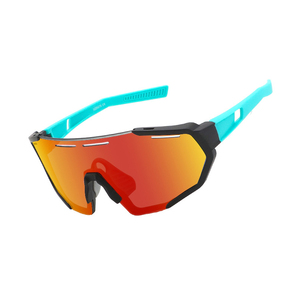
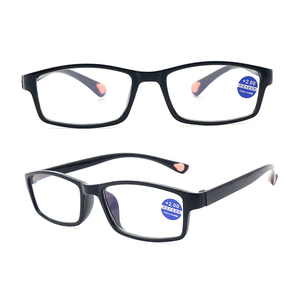
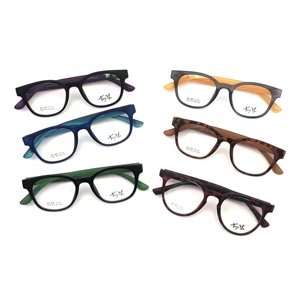
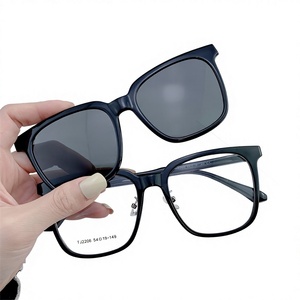
Metallurgical Architecture: Why Stainless Steel Dominates Modern Optical Manufacturing
In contemporary ophthalmic manufacturing, stainless steel is not merely an alternative to traditional copper-nickel alloys; it represents a fundamental paradigm shift in frame durability, hypoallergenic biocompatibility, and structural thinness. Global optical procurement agents, optometry networks, and independent retail chains increasingly favor medical-grade austenitic stainless steel (AISI 304 and AISI 316L) over Monel or Nickel Silver. The material’s high modulus of elasticity allows precision optical designers to engineer eyewires, bridges, and temple cores with profiles as slender as 0.6mm to 0.8mm without sacrificing structural rigidity or lens retention integrity.
The manufacturing ecosystem in China—specifically centered across world-class industrial hubs such as Shenzhen, Wenzhou, and Danyang—has elevated cold-drawn stainless steel frame production into an exact science. Using high-precision fiber laser slicing, computer-controlled 5-axis micro-milling, and inert gas-shielded micro-plasma spot welding, modern Chinese manufacturing plants have minimized thermal deformation zones. This industrial advancement ensures that delicate screw hinges and solderless interlock mechanisms retain structural stability under repeated cycles of opening and closing, delivering tensile yields exceeding 650 MPa and an impressive spring-back rebound capability essential for prescription frames.
Ophthalmic Metal Comparative Matrix
A rigorous engineering comparison to guide procurement teams in selecting the optimal frame metal for mass distribution, pediatric wear, or luxury dispensing boards.
| Alloy Category | Tensile Strength (MPa) | Corrosion Resistance | Nickel Release Risk | Flexibility / Memory | Weight Ratio (g/cm³) | Tooling & Plating Cost |
|---|---|---|---|---|---|---|
| Surgical Stainless Steel (AISI 316L) | 680 – 850 | Exceptional (Marine Grade) | Zero (<0.05 µg/cm²/week) | High Elastic Spring-Back | 7.95 | Moderate / Highly Optimized |
| Beta-Titanium Alloy | 880 – 1050 | Permanent Inertness | Zero (Non-reactive) | Superior Shape Memory | 4.50 | High / Argon-Shielded Tooling |
| Standard Nickel Silver (Alpaca) | 400 – 520 | Moderate (Prone to oxidation) | High (Requires barrier coat) | Low (Plastic deformation) | 8.75 | Economical / Standard |
| Monel Alloy (Base Metal) | 500 – 620 | Good against neutral moisture | Variable (Requires strict plating) | Moderate Elasticity | 8.80 | Low / High Plating Dependency |
| Aluminum-Magnesium | 310 – 420 | High (Anodized surface) | Zero (Nickel-free) | Rigid / Low Rebound | 2.70 | Moderate / Anodized Finishes |
Future Product Development Trends in Stainless Steel Eyewear
Emerging metallurgical innovations and hybrid assembly architectures reshaping the next decade of eyewear manufacturing.
PVD Eco-Vacuum Ion Plating
Traditional wet chemical electroplating is rapidly being phased out across high-tier Chinese facilities. Next-generation Physical Vapor Deposition (PVD) applies zirconium and titanium nitrides in clean vacuum chambers, producing sub-micron coatings with five times the abrasion resistance and zero toxic effluent runoff.
Screwless & Friction Hinge Architecture
Eliminating tiny hinge screws has eliminated the number one cause of end-consumer frame return. Proprietary snap-lock interlocking systems etched directly out of spring-tempered stainless sheet metal enable hyper-minimalist aesthetics, infinite operational cycles, and lower assembly labor costs.
Sheet-Metal Laser Micro-Carving
Advanced CNC fiber lasers with micro-kerf widths under 25 microns permit elaborate open-work temple designs, weight-relief skeletal rim designs, and integrated rim locks. This enables designers to produce full-rim frames weighing less than 11 grams without relying on brittle cast metals.
B2B Sourcing Strategies & Supply Chain Directives
How institutional optical buyers, mass distributors, and brand founders maintain healthy gross margins and inventory resilience.
Digital Tech-Pack Calibration
Enterprise procurement now hinges on complete 3D STEP/IGES data exchange. Chinese manufacturers with automated tooling centers can transition from CAD review to physical functional prototypes in as little as 7 to 10 days, cutting product launch cycles in half.
ISO 12870 & Nickel Audits
Leading buyers require verifiable factory audit certificates complying with European standard EN 1811:2011 (nickel release rates <0.5 µg/cm²/week) and EN ISO 12870 mechanical fatigue tests before approving mass production runs.
Hybrid Material Combinations
Stainless steel front chassis integrated with Swiss EMS TR90 injection-molded temples or Italian Mazzucchelli acetate eye-rings represent the fastest growing retail assortment segment, commanding 30–45% higher wholesale margins.
ESG Circular Steel Sourcing
International eyewear groups are mandating documented recycled steel content (upwards of 60% post-consumer austenitic alloys). Factories in China certified with ISO 14001 are offering verified low-carbon supply chain chains of custody.
Enterprise Heritage & Factory Engineering Advantage
Sourcing eyewear through an unvetted trading intermediary frequently exposes retail chains to catastrophic quality variations: hinge looseness, galvanic corrosion on temple tips, poor eyewire groove depths that cause lens popping, and brittle solder joints. Our global distribution framework, rooted in over 75 years of optical industry experience originating from St. Cloud, Minnesota, bridges the gap between state-of-the-art Chinese manufacturing floors and international dispensing counters.
Every stainless steel frame in our collections undergoes a comprehensive four-tier quality control protocol:
- Spectrometric Raw Material Verification: Every batch of incoming steel wire and sheet metal is chemically verified for alloy consistency and nickel containment.
- Mechanical Endurance Stress Testing: Frame temples are cycled 10,000 times through calibrated opening/closing fixtures to ensure zero torque degradation.
- Electrochemical Sweat & Salt-Spray Resistance: 48-hour continuous immersion in synthetic acid perspiration to guarantee zero pitting or discoloration.
- Optometric Lens Groove Precision: Optical groove tolerances are held within ±0.05mm to ensure seamless cold-snap lens insertion for opticians and automated edgers.
By uniting veteran US-based optical curation with deep factory-level engineering relationships in China, we empower independent practices, major ophthalmic chains, and global brand licensors with stable, high-margin assortments backed by dedicated account management and localized inventory support.
Frequently Asked Procurement Questions (FAQ)
Clear, technical, and commercial answers for purchasing managers, product designers, and eyewear distributors.
What are the typical Minimum Order Quantities (MOQ) for custom OEM stainless steel frames?
For bespoke OEM frame geometries requiring custom tooling and laser cutting, production batch MOQs typically start at 300 to 500 units per model, split across 2 to 3 colorways. However, for curated in-stock wholesale models from our existing catalog of 447+ styles, wholesale partners can access significantly lower thresholds to enable flexible inventory planning without heavy upfront capital lockup.
How do Chinese factories ensure compliance with European and US nickel release regulations?
Export-grade manufacturers utilize high-grade AISI 304 or medical AISI 316L stainless steel alloys where the nickel content is tightly bound within the crystalline austenitic matrix. Furthermore, an impermeable multi-layer barrier coat or PVD ion finish is applied. Finished frames undergo EN 1811:2011 testing, certifying release rates strictly below 0.05 μg/cm²/week—well below the European REACH Annex XVII safety ceiling of 0.5 μg/cm²/week.
What is the standard production lead time for prototype sampling and mass manufacturing?
Functional 3D-milled prototype samples typically require 10 to 18 business days following CAD sign-off. Once pre-production samples are verified, mass production of laser-cut and hand-polished stainless steel frames requires approximately 45 to 60 days, inclusive of PVD coating, temple pad printing, optical groove calibration, and comprehensive cleanroom packaging.
Why is PVD coating superior to standard wet electroplating for stainless steel eyewear?
Physical Vapor Deposition (PVD) is conducted in a high-vacuum chamber where titanium or chromium atoms are ionized and deposited directly onto the steel surface. This creates a molecular bond with a hardness rating exceeding 2000 HV (Vickers), eliminating issues such as flaking, chipping, or sweat-induced blistering commonly seen in wet-plated frames. It also preserves razor-sharp edges and intricate filigree details without rounding them over.
Ready to Streamline Your Optical Sourcing Supply Chain?
Connect directly with our senior optical engineering specialists. Whether you require private-label ODM development, rapid 3D prototyping, or bulk wholesale access to over 447 verified frames across 19 curated lines, our team is equipped to support your practice growth.
Send an Inquiry