
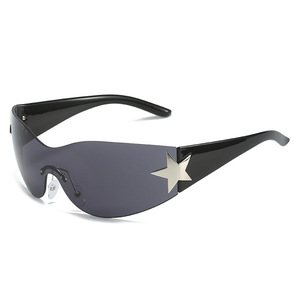
Factory Catalog Assortment
High-Turnover Semi-Rimless Frame Solutions
Explore our engineering-tested semi-rimless frames, spanning Y2K aesthetics, ultra-light TR90 cycling optics, executive cellulose acetates, and blue-blocker computer eyewear calibrated for high optical stability.

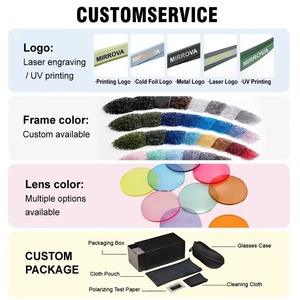
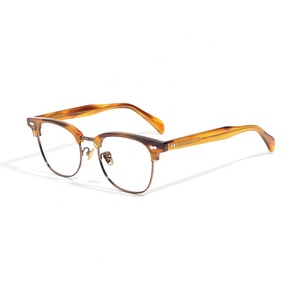
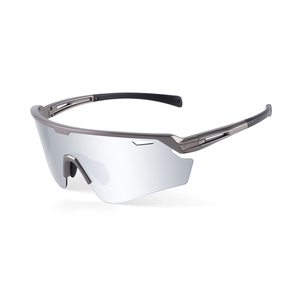
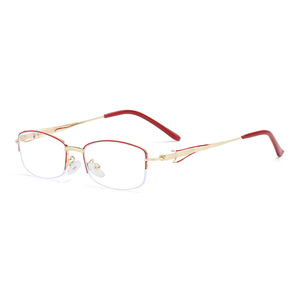
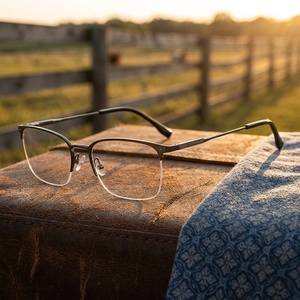
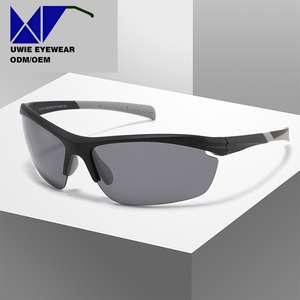
75+
Optical Heritage
Decades of cumulative optical curation, tooling development & supply chain mastery.
447+
Active Catalog Molds
Tooling available across adult ophthalmic, titanium, pediatric, and sports formats.
0.02mm
Groove CNC Precision
Sub-millimeter nylon line groove profiling to guarantee zero lens chipping or pop-outs.
100%
Batch Optical QC
Bridge tension testing, barrel hinge rotation cycles, and sweat resistance validation.
Engineering Whitepaper
Precision Anatomy & Material Dynamics of Semi-Rimless Eyewear
A comprehensive procurement guide covering technical parameters, structural integrity, and manufacturing specifications required for high-yield ophthalmic assembly and optical retail profitability.
Structural Anatomy & Lens Retention Mechanisms
Semi-rimless (half-eye / browline) frames rely on a delicate equilibrium between upper eyewire rigidity and lower nylon monofilament suspension tension. While full-rim frames compress lenses via metal rim-locks, semi-rimless systems require meticulous groove tolerances.
- Monofilament Line Specifications: We utilize high-tensile 0.50mm - 0.60mm cross-linked fluorocarbon nylon line boasting over 18kg break-strength to resist UV aging and chemical brittleness.
- CNC Lens Groove Depth: Requires an optical bevel depth of precisely 0.55mm ± 0.03mm and width of 0.60mm to prevent lens slippage under divergent ambient temperatures.
- Torsion Resistance: Monel, Beta-Titanium, and stainless-steel bridge bars undergo cold-draw forging to eliminate flex torque during patient handling.
Material Science: Alloys vs. High-Performance Polymers
The choice of substrate dictates physical elasticity, hinge longevity, and dermatological safety. Our factory lines specialize in three core material matrices tailored for medical-grade optics and sports ergonomics:
- Pure Titanium & Beta-Titanium: Delivers extreme fatigue limits (tensile strength >850 MPa) at half the weight of nickel silver, ensuring hypoallergenic biocompatibility (ISO 10993).
- Swiss Grilamid EMS TR90: Injected at 280°C for sports wrap shields, providing memory-retention flex, low density (1.14 g/cm³), and superior shatter-proof impact ratings.
- Cellulose Acetate Propionate: Multi-axis CNC milled from aged cured slabs (dryness >3 months) to eliminate post-production bridge distortion and shrinkage.
Optical Dispensing Yield & High-Index Lab Compatibility
A frequent pain-point for optical retail labs is lens edge cracking during glazing. Our proprietary frame geometry accounts for differential lens thicknesses across high diopter prescriptions:
- Prescription Versatility: Engineered to accept high-index 1.60, 1.67 MR-7, and 1.74 MR-174 resins, as well as Trivex for rimless sports protection.
- Pantoscopic Tilt & Face Form: Calibrated with an industry-standard 7° to 9° pantoscopic tilt and 4° wrap angle for progressive addition lenses (PAL) fidelity.
- Multi-Barrel Micro-Hinges: Integrated 3-barrel and 5-barrel custom hinges fitted with Teflon-coated anti-loosening screws to prevent temple drop-off.
Forward Market Horizon
Global Procurement Trends for 2026–2030
The global demand for semi-rimless spectacles is shifting from utilitarian office wear toward high-fashion hybridity and extreme outdoor utility. B2B purchasing agents are systematically reallocating inventory budgets toward these high-margin structural shifts:
| Category | 2023-2025 Baseline | 2026-2030 Evolution |
|---|---|---|
| Primary Material | Standard Nickel Silver / PC | Titanium, Recycled TR90 & Acetate |
| Lens Retention | Standard Nylon Line | Fluorocarbon High-Break Filament |
| Target Application | Presbyopia Reading Frames | Progressive PAL & Dual-Sport Shields |
| Plating Quality | Basic Wet Electroplating | Multi-Layer IP (Ion Plating) Vacuum PVD |
Manufacturing Pedigree
Why International Eyewear Brands Partner With Us
Combining the cost-efficiency, high-volume capacity, and precision tooling of China's premier eyewear manufacturing facilities with over 75 years of optical industry experience in quality assurance and global distribution.
75+ Years Optical Heritage
Rooted in three-quarters of a century of ophthalmic frame design, distribution, and assembly know-how. We understand the stringent tolerance demands of professional dispensing opticians and eye care providers.
OEM / ODM Engineering Versatility
From 3D CAD modeling and CNC rapid prototyping within 72 hours to private mold tooling, temple laser engraving, and custom pantone coloration across metals, acetates, and polyamides.
Rigorous Compliance & Durability QA
Every batch conforms to ANSI Z80.3, ISO 12870, and CE medical device directives. Frames undergo 20,000-cycle spring hinge fatigue tests, bridge flex stress, and 48-hour artificial sweat immersion testing.
Procurement Guide
Frequently Asked Questions by Optical Buyers & Brands
Direct technical answers regarding Minimum Order Quantities (MOQ), prescription lab glazing compatibility, tooling lead times, and global shipping.
What is the standard Minimum Order Quantity (MOQ) for custom OEM semi-rimless frames?
For ready-to-ship catalog models (in-stock styles), our MOQ starts at only 50 to 100 units per colorway with custom silk-screen or laser branding. For full custom OEM projects involving custom metal dies or bespoke acetate lamination, our baseline production run is typically 300 to 500 units per model, divided across up to 3 distinctive color finishes.
Can your semi-rimless frames safely accommodate high minus (high diopter) prescription lenses?
Yes. While traditional semi-rimless frames require a minimum edge thickness of 2.0mm to cut the monofilament groove securely, our designs incorporate widened upper eyewires and variable-depth grooving paths. When paired with high-index 1.60, 1.67, or 1.74 ophthalmic resins, our half-frames comfortably glaze prescriptions up to -8.00D without cosmetic edge extrusion or compromised tension.
What quality control protocols are applied to your monofilament nylon groove systems?
Every production batch undergoes dual-stage tension and environmental stress testing. First, the monofilament mounting pins and retention screws are torqued to 0.4 N·m. Then, glazed demonstration lenses are subjected to a 10kg pull-down displacement test to ensure the line does not stretch or dislodge. Furthermore, our nylon cords are UV-stabilized to prevent premature brittleness under strong sun exposure.
Do you supply test samples and what are the standard lead times for prototyping?
Yes, catalog reference samples can be dispatched within 48 to 72 hours via international air couriers (DHL, FedEx, UPS). For bespoke prototype development, 3D printed nylon functional mockups require 5 working days, while fully CNC-milled prototype samples in actual materials (titanium, copper-nickel, or hand-polished acetate) require 15 to 20 working days prior to final mass tooling commitment.
How do you assist international distributors with regional regulatory compliance?
Our export management team supplies comprehensive technical dossiers including CE Declaration of Conformity (EU Medical Device Regulation 2017/745 Class I), FDA registration documentation, California Proposition 65 test certificates (lead, cadmium, phthalate-free), and REACH compliance for all metal plating and polymer coatings.
Scale Your Eyewear Brand with China's Premier Manufacturing Partner
Whether you require fast-turnaround inventory from our 447+ frame catalog or full-cycle OEM/ODM custom development backed by 75+ years of optical engineering heritage, our technical sales team is ready to assist your assortment planning.