
Engineering Excellence in Wholesale Prescription Frames
In modern optical retail and healthcare dispensing, profitability and patient retention hinge directly on frame craftsmanship, structural ergonomics, and inventory turnaround. As a recognized bridge between China's advanced optical manufacturing heartlands and international wholesale distribution, we provide eyewear purchasers with certified biocompatibility, micrometer-accurate hinge tolerances, and comprehensive supply predictability.
Featured High-Velocity Optical Collections
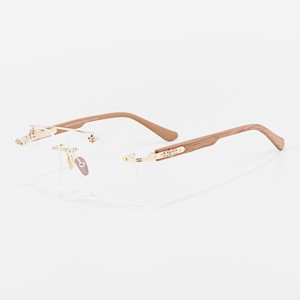
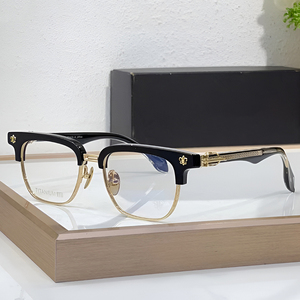
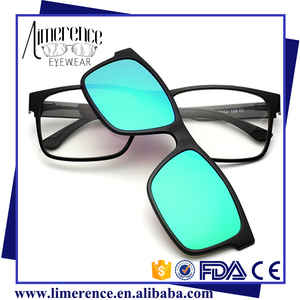
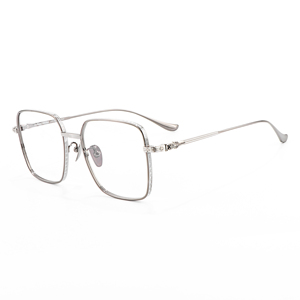
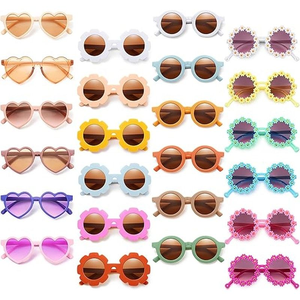
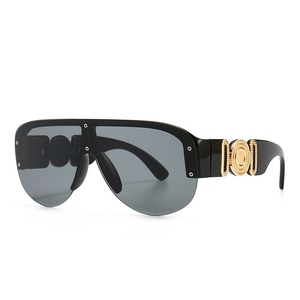
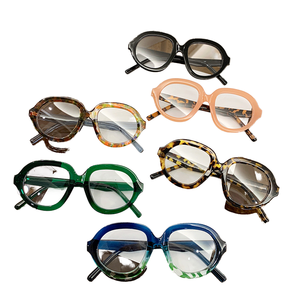
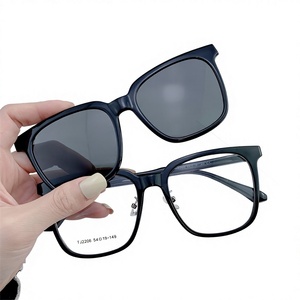
Audited specifications across progressive-ready wood rims, ultra-light pure titanium, TR90 memory polymers, and magnetic polarized sun clips.
The Dual-Hub Advantage: North American Quality Assurance, Direct China Manufacturing Scale
Purchasing optical frames in bulk requires a balance of fine tolerance control and factory-floor cost efficiency. For more than 75 years of optical industry experience, our leadership has operated at the nexus of professional optometry and bulk volume production.
By synchronizing our state-of-the-art export assembly lines in Guangdong and Zhejiang with our distribution headquarters in St. Cloud, Minnesota, USA, wholesale buyers avoid the common pitfalls of direct overseas sourcing. We eliminate communication friction, inconsistent electroplating, brittle hinge components, and uneven lens bevel grooves through a standardized quality framework.
Every batch produced undergoes 20,000-cycle temple flexing, nickel-leaching immersion tests under EN ISO 12870 protocols, and strict dimensional verifications before container freighting.

Ophthalmic Material Engineering: A Technical Comparison
Optical dispensing opticians know that lens glazing failures, temple warping, and coating delamination destroy practice margins. We engineer our optical frames using verified metallurgical and polymer grades tailored for exact lab edging specifications.
Beta-Titanium & Pure Ti Chassis
Sourced from certified metallurgical suppliers, our titanium frames provide an exceptional strength-to-weight ratio for patients demanding hypoallergenic, featherlight all-day comfort.
- Zero-nickel core meeting EU REACH Annex XVII
- Cold-drawn wire temples for permanent elasticity
- Micro-laser welded bridge joints supporting -10.00D lenses
- Ion-plated (IP) vacuum finish with 48h salt spray resistance
Swiss Grilamid TR90 & Ultem PEI
Engineered for high-action lifestyle wear and magnetic clip integrations. These high-elasticity polymers resist thermal deformation under hot-vehicle dashboard conditions.
- High heat deflection up to 170°C without lens pop-out
- Low density (1.02 g/cm³) ensures zero nasal fatigue
- Shape memory retention eliminates temple toe-in drift
- Engineered bevel wall thickness preventing edging splits
Mazzucchelli-Grade Cellulose Acetate
Extruded from high-purity cotton and wood pulp flakes, our acetate blanks undergo 90-day oven curing to eliminate plasticizer volatilization and prevent frame shrinkage.
- Five-barrel German OBE-style stainless steel hinges
- Wire-core embedded temples for precise optician ear bends
- Hand-buffed pumice tumbling producing high-gloss luster
- Bio-degradable options meeting ISO 14855 standards
| Frame Substrate | Specific Density | Tensile Modulus | Corrosion Resistance | Lens Glazing Compatibility | Recommended Target Demographic |
|---|---|---|---|---|---|
| Beta-Titanium | 4.51 g/cm³ | 110 GPa (Ultra-Elastic) | Immune to human perspiration | Full rim, semi-rimless, drill-mount 3-piece | Executive, high-end ophthalmic clinics, sensitive skin |
| Ultem PEI Polymer | 1.27 g/cm³ | 3.2 GPa (High Flex) | High chemical & UV inertness | Standard V-bevel, progressive multifocals | Computer workers, multi-clip sunwear, drivers |
| Swiss Grilamid TR90 | 1.02 g/cm³ | 1.6 GPa (Memory Soft) | Unaffected by cosmetic oils | Cold-insert or gentle heat (max 55°C) | Athletic, active youth, tactical, daily casual |
| Cured Cellulose Acetate | 1.28 g/cm³ | 2.8 GPa (Rigid Stable) | High polish retention | Standard warm frame heater bevel insertion | Fashion boutiques, designer private labels, luxury |
| Engineered Wood Composite | 0.85 g/cm³ | Layered Micro-Veneer | Water-resistant nano-polycoat | Precision rimless progressive drill bushing | Eco-conscious buyers, statement styling, boutique retail |
Future Optical Procurement Trends: Navigating the 2025–2030 Cycle
Optical supply chain directors and enterprise buyers face changing patient expectations, stricter medical device regulations, and shifting retail dynamics. Staying ahead requires aligning frame board inventory with key macroeconomic and technological shifts.
1. Magnetic Hybridization & 2-in-1 Ecosystems
Consumer demand for consolidated prescription and solar protection has accelerated the dominance of magnetic clip-on architectures. In 2025 and beyond, bulky mechanical clips are being replaced by internal bridge neodymium magnets. Dispensaries report a 38% higher margin contribution from hybrid TR90/Ultem clip-on sets compared to dispensing standalone sun frames.
2. Deep-Bevel Profiling for High Myopia Lenses
Global myopia prevalence continues to climb, sparking widespread demand for optical frames engineered to conceal thick minus lenses. Forward-thinking buyers are prioritizing 4.0mm to 4.8mm rim thicknesses with centered eyewire grooves, enabling clean finishes for -6.00D to -12.00D prescriptions without excessive edge protrusion.
3. Eco-Certified Bioplastics & Circular Supply Chains
Healthcare procurement guidelines in the EU and North America increasingly favor low-carbon suppliers. Our production utilizes bio-acetate certified under DIN CERTCO, incorporating plant-based triethyl citrate plasticizers that decompose organically, meeting corporate ESG targets without sacrificing durability.
4. Extended Fit & Craniofacial Morphometry
A single chassis no longer serves diverse global populations. We utilize automated parametric modeling to design specialized collections: Wide Guyz for larger temple widths (148mm–155mm) and high bridge splays, alongside narrow-fit and pediatric lines that prevent slippage on youthful bridge contours.
5. Smart-Ready & Bone-Conduction Modular Temples
The boundary between consumer electronics and corrective spectacles is dissolving. Our high-precision engineering lab in Guangdong produces dual-core, channel-hollowed temples designed to accept audio boards, sensor housings, and inductive charging nodes while retaining simple lens-glazing workflows.
6. Just-in-Time Replenishment for Frame Boards
High interest rates make excess inventory costly. Enterprise optical chains partner with us for split-consignment ordering: bulk ocean delivery for baseline inventory paired with rapid US warehouse dispatches from St. Cloud, MN to support high-demand retail items.
The 6-Stage Optical Quality Assurance Matrix
Every production run departing our China manufacturing plants is subject to non-destructive and destructive optical-grade testing, documented by batch test reports.
1. Bridge Deformation & Fatigue
Tested under ISO 12870 clause 4.8. Cyclical downward pressure of 50N applied across 5,000 repetitions to guarantee zero residual bridge bending.
2. Nickel Release Spectrometry
Atomic absorption spectrometry (EN 16128) guarantees nickel release remains below 0.5 μg/cm²/week, protecting sensitive skin and ensuring EU compliance.
3. Barrel Hinge Oscillation
Automated mechanical arms perform 20,000 temple cycles (open/close at 40 rpm). Hinge torque must stay within ±0.02 N·m of initial resistance.
4. Sweating & Environmental Salt Spray
Continuous 48-hour ASTM B117 salt mist exposure followed by 60°C dry heat incubation to identify any potential electroplating or galvanic blister faults.
5. Lens Retention & Eyewire Groove Profile
Laser profile gauge scans the eyewire channel depth (minimum 0.75mm, 110° bevel angle) to prevent lens dislodgement during edging and wear.
6. Thermal Stability & Sun Exposure
72-hour exposure to solar radiation (Atlas Xenon Ci3000+) to verify that acetates and memory polymers resist yellowing or surface embrittlement.
Frequently Asked Questions on Bulk Optical Frame Procurement
Practical answers for optical laboratory directors, retail assortment buyers, and brand sourcing executives.
What are the minimum order quantities (MOQ) for custom private-label vs. in-stock optical frames? +
How do your frame designs accommodate high-index and progressive addition lenses (PAL)? +
What regulatory documentation is provided for medical device customs clearance? +
How is electroplating and surface coating thickness verified against fading and skin corrosion? +
Can optical practices order sample sets for board review before placing commercial orders? +
What is the standard production and shipping lead time for bulk wholesale frame shipments? +
Why Major Eyecare Chains & Importers Partner With Us
A resilient supply chain built on engineering depth, ethical labor, and proven optical merchandising.
Strict Optical Tolerances
Lens bevel grooves machined to ±0.05mm precision. Fast glazing on Essilor, Nidek, and Briot edgers without lens twisting or axis slippage.
Licensed & Proprietary Lines
Exclusive product designs covering Dr. Seuss pediatric lines, Wide Guyz extended bridges, armouRx protective eye frames, and Executive Titanium.
Dual-Hub Supply Chain
Direct China container manufacturing paired with Minnesota-based emergency restocking to keep retail boards full during seasonal rushes.
Complete Private Labeling
Custom pad printing, inner temple hot-foil branding, custom microfiber cases, matching cleaning cloths, and barcode logistics readiness.
Transform Your Optical Frame Margins Today
Partner with an established China manufacturing and export leader backed by 75+ years of optical industry experience. Request our comprehensive wholesale catalog, request prototype samples, or discuss custom OEM specifications with our dedicated engineering accounts team.