
High-Velocity Wholesale Reading Glasses Assortment
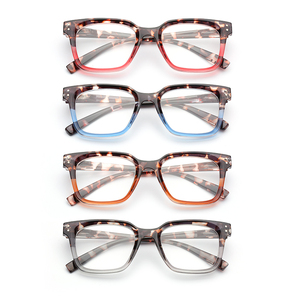
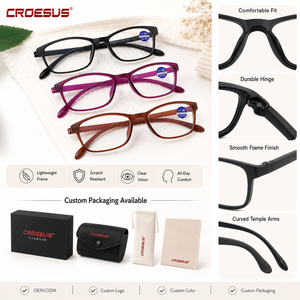
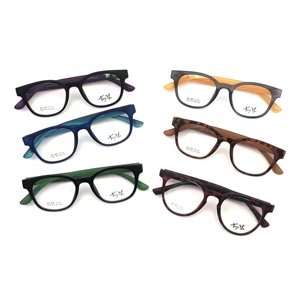
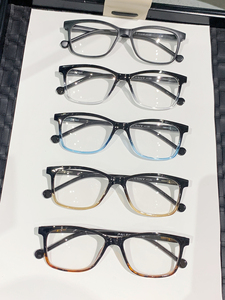
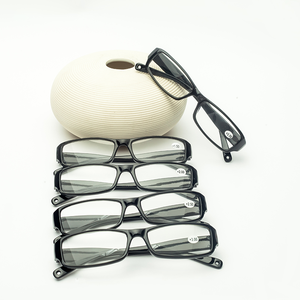
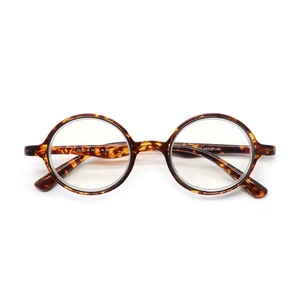
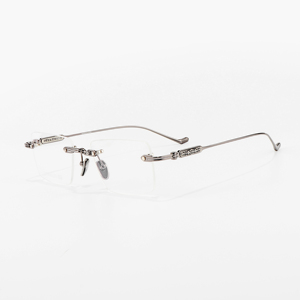
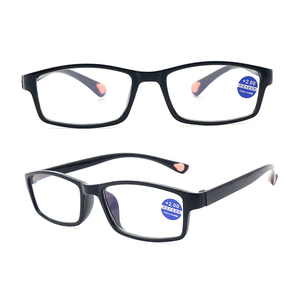
Engineered for high diopter accuracy, scratch resistance, and market-ready consumer appeal. Below are our premier export-grade styles available for volume OEM/ODM and private-label orders.
The Global Presbyopia Paradigm: Sourcing Dynamics & Market Forces
A rigorous examination of consumer demographics, retail margins, and Chinese manufacturing infrastructure driving the modern wholesale reading eyewear trade.
Presbyopia remains an unavoidable refractive consequence of natural crystalline lens sclerosis, affecting nearly 1.8 billion individuals globally. As demographic aging accelerates across North America, Europe, and the Asia-Pacific, reading glasses have evolved from simple OTC medical utilities into fast-moving fashion accessories, digital screen guards, and high-margin dispensary essentials. Professional eyewear buyers, retail chain directors, and e-commerce aggregators must navigate complex procurement landscapes to deliver frames that satisfy both stringent clinical optics and fast-evolving stylistic trends.
China continues to command over 70% of global reading glasses production, anchored primarily in specialized manufacturing clusters across Wenzhou (Zhejiang Province), Danyang (Jiangsu Province), and Shenzhen (Guangdong Province). While Danyang specializes in high-throughput polymer lens surfacing and automated injection readers, Shenzhen excels in luxury CNC-machined acetates and pure titanium metallurgy. Wenzhou maintains an indomitable position in mid-to-high volume injection molding, flexible TR90 engineering, and complete packaged retail display sets.
However, modern B2B procurement is no longer driven solely by ex-factory unit pricing. International regulatory scrutiny, including the European Medical Device Regulation (EU MDR 2017/745 Class I), US FDA 21 CFR Part 801.410 (Drop Ball Impact Testing), and ISO 16034 (Ophthalmic Optics - Ready-to-Wear Spectacles), requires importers to partner exclusively with factories that enforce strict dioptric tolerance, optical center alignment, and zero hazardous substance leaching (REACH & California Proposition 65).
Dioptric Power Calibration
Substandard lenses present localized focal variations. Export-standard Chinese manufacturing employs automated lensmeters ensuring spherical power tolerances within ±0.06D, fully compliant with ISO 16034:2002 guidelines to eliminate induced astigmatism and visual fatigue.
Pupillary Distance (PD) Alignment
Misaligned Optical Centers (OC) induce unwanted prismatic displacement (Prentice’s Rule: $\Delta = c \times F$). Premium factories calibrate ready-to-wear readers to standardized optical center distances (62mm ± 1.0mm), mitigating horizontal prism errors.
Structural & Coating Integrity
From multi-layer vacuum anti-reflective (AR) coatings to hydrophobic oleophobic topcoats, our OEM facilities subject batch outputs to cross-hatch adhesion peeling tests, high-temperature humidity cycles, and continuous 48-hour sweat corrosion assays.
Comparative Material Matrix: Evaluating Reading Glass Frame Substrates
A technical guide for procurement directors balancing unit costs, tensile memory, biocompatibility, and retail price elasticity.
| Substrate Classification | Density & Weight | Flexural Yield Strength | Biocompatibility (Nickel/Skin) | Primary Commercial Application |
|---|---|---|---|---|
| EMS Grilamid TR90 Swiss-Origin Memory Polyamide |
1.02 – 1.06 g/cm³ Ultralight |
High Elastic Recovery (>90% under 180° twist) | 100% Hypoallergenic, BPA/Plasticizer-Free | High-performance computer readers, active elderly eyewear, slim pocket frames. |
| Cellulose Acetate (Mazzucchelli/Local) Plant-Based Flake Polymer |
1.28 – 1.32 g/cm³ Substantial Feel |
Moderate; thermo-formable with core wire | Dermatologically Inert (Natural Cotton Esters) | Boutique retail brands, designer collections, luxury multi-focus prescription frames. |
| Pure Titanium & Beta-Ti Grade 2 / Ti-15V-3Cr-3Sn-3Al |
4.51 g/cm³ (High strength-to-weight) | Extremely High Tensile (>850 MPa) | Zero Galvanic Leaching, Surgical-Grade | Executive frameless readers, minimalist rimless luxury eyewear, corporate optometry. |
| High-Purity Polycarbonate (PC) Optical Grade Thermoplastic |
1.20 g/cm³ Balanced |
High Impact Fracture Resistance | Compliant with REACH Annex XVII (Lead/Cadmium) | High-volume wholesale retail packs, pharmacy displays, rapid replenishment lines. |
| Memory Metal / Monel Alloy Copper-Nickel with Plated Barrier |
8.80 g/cm³ Traditional Metal |
Rigid Structure with Spring Hinge Support | Requires Electroplated Barrier (EN 16128 Compliant) | Classic pilot shapes, wire-rim half-eyes, budget-conscious institutional programs. |
Next-Gen Reading Eyewear: Emerging Sourcing & Procurement Trends
How technological convergence, sustainable mandates, and changing consumer habits are restructuring global wholesale purchases for the next half-decade.
1. Blue Light Filtering: Substrate vs. Surface Coating
First-generation blue-blocking readers relied on reflective vacuum surface coatings that yielded disturbing blue surface flare and distorted true color transmission. Future procurement contracts are shifting rapidly to monomer-infused blue-absorbing resin lenses. By blending specialized absorbers directly into the lens monomer prior to casting, these lenses block 100% UV400 and attenuate high-energy visible (HEV) blue light between 415nm and 455nm without yellow tinting, delivering 94%+ luminous transmittance.
2. Mass Adoption of Bio-Acetates & Recycled Polymers
ESG reporting requirements across the European Union (CSRD) and North America have elevated sustainable eyewear from a marketing niche to a commercial prerequisite. Premier Chinese factories are migrating to bio-based cellulose acetates formulated with eco-friendly triethyl citrate (TEC) plasticizers instead of traditional phthalates, achieving bio-carbon content exceeding 68% (ASTM D6866). In the injection sphere, GRS-certified (Global Recycled Standard) recycled ocean polyamides and rPC are now integrated into mainstream catalog offerings.
3. Multi-Focus Progressive & Workspace Readers
Single-vision reading glasses are structurally constrained to a fixed focal distance (typically 35–40 cm), causing severe blur when users look up at desktop monitors or intermediate office distances. The fastest-growing export category is asymmetric progressive readers (degressive lenses). Featuring an ergonomic power decay of -0.75D to -1.00D from bottom reading zone to intermediate top, these designs empower modern desktop workers without requiring full prescription dispensing.
Furthermore, automated high-mix low-volume (HMLV) manufacturing lines in China allow overseas distributors to lower inventory risk. Modern factory lines leverage computerized five-axis CNC milling machines and rapid mold changeover injection tooling, driving minimum order quantities (MOQs) down to 300–500 pairs per SKU for customized colorways, while maintaining economies of scale. Supply chain digitizations also enable laser engraving of private logos and barcoding directly on the assembly belt, slashing lead times from the historic 60 days down to 21–28 working days.
Frequently Asked Questions: Wholesale Reading Glasses Procurement
Actionable, commercially grounded answers addressing regulatory approvals, diopter distribution, QA protocols, and factory auditing.
What is the standard diopter assortment ratio recommended for consumer retail shipments?
What regulatory certifications and testing documentation must a Chinese exporter provide?
What is the difference between injection molded PC lenses and cast optical resin (CR-39) lenses in reading glasses?
How does a reputable exporter manage optical quality control on high-volume production runs?
Can factories support private-label branding, customized packaging, and DDP shipping terms?
Integrated Optical Heritage: Proven Engineering & Global Distribution
Leveraging deep industrial heritage from St. Cloud, Minnesota, combined with world-class Chinese manufacturing facilities to create an unmatched procurement ecosystem.
75+ Years Optical Heritage
Rooted in decades of hands-on ophthalmic frame curation, fit engineering, and optical distribution. We do not merely produce frames; we evaluate facial ergonomics, bridge anatomies, and lens compatibility with professional precision.
Expansive 447+ Style Catalog
Access our vast portfolio across 19 curated eyewear collections. From lightweight pure titanium and Swiss TR90 to classic acetate, children’s frames, and wide-fit structures, we supply all market segments under a single accountable umbrella.
Defect Tolerance < 0.18%
Our dual-tier quality assurance protocol integrates US-grade optical testing standards directly into our China assembly plants. Every batch undergoes automated optical verification and rigorous stress-testing to virtually eliminate retail returns.
Dedicated Account Support
Professional optical engineers and international trade specialists handle your assortments, customized packaging designs, and compliance declarations. We provide responsive communication across Western and Asian business hours.
Agile OEM / ODM Tooling
Rapid 3D CAD modeling, in-house rapid prototyping in 72 hours, and rapid precision steel mold manufacturing enable brands to launch exclusive, differentiated silhouettes to market months ahead of generic catalog competitors.
International Supply Chain Resilience
With established warehousing and distribution synergies spanning St. Cloud, Minnesota and coastal Chinese manufacturing hubs, we optimize consolidation, documentation, customs clearances, and ocean/air freight schedules effortlessly.
Elevate Your Eyewear Supply Chain Today
Whether you require full-container shipments of turn-key retail reading glasses or bespoke private-label manufacturing with custom tooling and luxury packaging, our engineering and export teams are ready to assist.
Send an Inquiry