
CE Certified Square Eyeglass Frames Manufacturers & Factories
Precision Ophthalmic Engineering, Medical-Grade Materials & Global B2B Supply Chain Verification for Eyecare Professionals and Optical Retailers
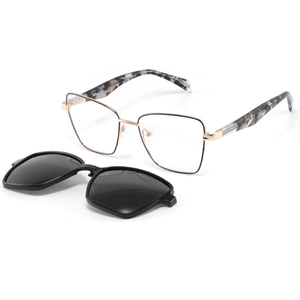
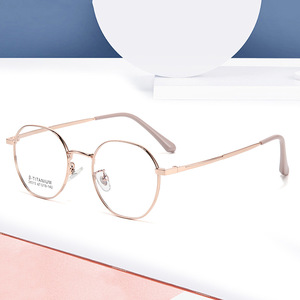
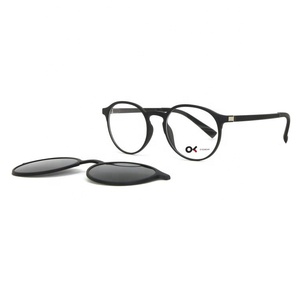
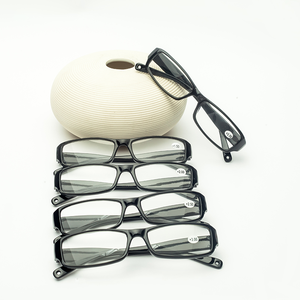
Featured CE Certified Prescription & Sun Frames
Streamlined precision styles rigorously engineered for geometric stability, multi-lens glazing compatibility, and hypoallergenic patient comfort.
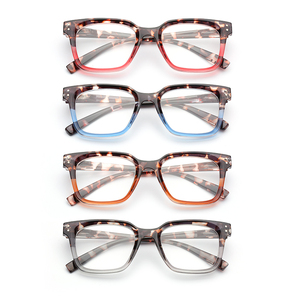
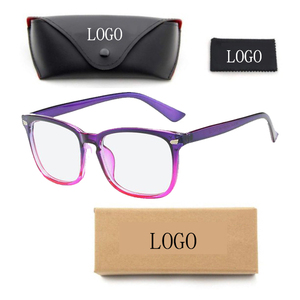
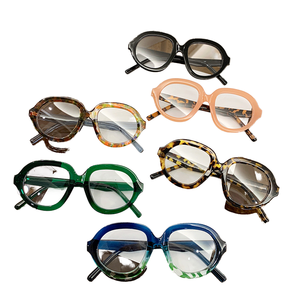
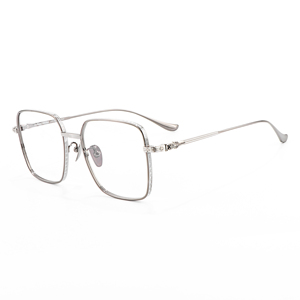
1. The Global Procurement Landscape for CE Certified Square Optical Frames
The square eyeglass frame has transitioned from a retro stylistic choice to a permanent, core anchor in the clinical and retail dispensing environment. For independent optometrists, optical multi-store networks, and corporate sourcing directors, square profiles represent the highest-velocity inventory turn across adult demographics. However, sourcing at scale presents intricate engineering and regulatory hurdles. Procuring from verified CE certified square eyeglass frames manufacturers and factories guarantees that frames satisfy stringent European and North American consumer health standards, notably under the Medical Device Regulation (EU MDR 2017/745) Class I classification and the harmonized standard EN ISO 12870:2018 (Ophthalmic optics — Spectacle frames — Requirements and test methods).
Under modern clinical scrutiny, a square silhouette is not purely an aesthetic statement. The structural geometry of a square rim—characterized by defined 90-degree temporal corners and vertical edge planes—exposes internal stresses during lens edging and glazing far more drastically than oval or rounded eye-wires. When high-index prescription lenses (-4.00D or higher) are edged into square apertures, uneven mechanical pressures gather at the corner apexes. Substandard factories lacking specialized CNC profile tooling produce inner eye-wire bevel grooves with irregular apex radii. This defect triggers lens flaking, internal frame crazing, bridge distortion, or premature lens pop-outs. Professional eyecare practitioners require supply chain partners whose production lines incorporate automated stress-relief milling, cold-insert groove verification, and verified non-nickel release finishes.
MDR 2017/745 Compliance
Full traceability, technical documentation (Annex II/III), and non-cytotoxic, biocompatible dermal contact verification.
Structural Stability
EN ISO 12870 endurance testing against mechanical cyclic deformation, barrel hinge strain, and prolonged perspiration baths.
Optical Glazing Precision
Micro-calibrated bevel grooves engineered explicitly to seat high-cylinder, progressive, and polarized sun plano lenses without rim buckling.
2. Production Engineering & Technical Material Comparison
Selecting the correct substrate is crucial when designing square frame collections for distinct patient lifestyles. A square front requires exceptional torsional rigidity along the bridge to prevent pantoscopic tilt variance and vertex distance drift. Below is a comparative operational matrix highlighting the physical dynamics of materials commonly processed within our certified facilities:
| Material Classification | Tensile Strength & Elasticity | Specific Gravity (g/cm³) | Corrosion & Hypoallergenic Rating | Ideal Prescription Range |
|---|---|---|---|---|
| Beta-Titanium (Ti-15V-3Cr-3Sn-3Al) | Ultra-High (Elastic memory, 1200+ MPa) | 4.51 g/cm³ | Total biocompatibility; 100% Nickel-free | Plano up to -10.00D (Ultra-slim square rims) |
| High-Density Cellulose Acetate (HDCA) | Rigid structural retention; low cold creep | 1.28 g/cm³ | Skin-neutral organic cotton seed origin | Plano up to -8.00D (Conceals lens edge thickness) |
| Ultem PEI (Polyetherimide) | Exceptional thermal & flexural resilience | 1.27 g/cm³ | Resistant to sweat, alcohol, skin lipids | Clip-on magnetic sets, active lifestyle frames |
| Cupronickel / Monel with PVD Coating | Formable, rigid bridge solders | 8.80 g/cm³ | Requires ISO 24348 non-leaching barrier | Everyday budget reading & ophthalmic mounts |
3. Future Sourcing Trends in Square Eyewear (2025–2030)
B2B buyers, institutional procurement managers, and private label optical brands must look beyond seasonal runway fads to forecast technological supply shifts. The square frame landscape is undergoing three major structural evolutions:
A. Shift Towards Circular and Bio-Based Monomers: Regulatory directives across the EU (including the Corporate Sustainability Due Diligence Directive) are compelling manufacturers to replace petroleum-derived phthalate plasticizers with acetyl tributyl citrate (ATBC) derived from renewable maize and agricultural residues. Biodegradable acetate sheet stocks that degrade under industrial composting conditions within 115 days without chemical leaching are fast becoming an indispensable procurement qualification for Tier-1 optical distributors.
B. Micro-Magnetic and Multi-Functional Modularity: As digital eyestrain and urban light pollution escalate, consumers reject single-function eyewear. Sourcing volumes for square geometries featuring integrated magnetic clip-on lenses (polarizing TAC 1.1mm sun layers, specialized yellow driving filters, and amber blue-blockers) expanded by over 34% year-on-year. Ultem (PEI) and memory-metal chassis are the preferred foundations for this architecture, providing the torsion resistance necessary to dock magnetic accessories repeatedly without displacing ophthalmic focal centers.
C. Smart Eyewear Structural Accommodation: The geometry of square frames offers a unique physical advantage: substantial vertical temple real estate at the endpiece. This area naturally accommodates micro-transducers, open-ear directional speakers, MEMS microphones, and flexible micro-batteries without expanding front face proportions into unsightly designs. Forward-looking optical factories are pre-tooling square hinge blocks with hollow-core channels to house flexible printed circuits (FPCs) for next-generation smart prescription frames.
4. Corporate Advantages: Why Global Supply Chains Choose Our Network
Choosing a frame manufacturer demands more than inspecting sample prototypes; it demands complete confidence in supply continuity, dimensional repeatability, and absolute regulatory compliance. Global Optique's manufacturing alignment brings decisive structural advantages to our commercial partners:
Minnesota Hub Distribution
Immediate access to North American inventory reserves, mitigating trans-ocean freight lags and ensuring rapid replenishment of bestsellers.
Multi-Tier QA Audits
Every frame batch undergoes continuous mechanical hinge cycling (20,000 opening/closing cycles) and 48-hour artificial sweat immersion testing.
Tailored OEM/ODM Capabilities
Custom pad printing, precision laser logo engraving, custom temple coring, and private label boxing engineered for turnkey retail merchandising.
5. Technical FAQ for Eyewear Importers & Procurement Directors
What specific test documentation constitutes valid CE compliance for spectacle frames?
Why are square frames uniquely prone to lens mounting complications during clinical glazing?
What is the minimum order quantity (MOQ) and production turnaround for custom square frame production?
How do you guarantee nickel-free compliance for metal and alloy square spectacle components?
Connect Directly with Our Optical Sourcing Engineers
Whether you are building a custom private label collection of CE certified square optical frames, or requiring verified bulk wholesale inventory for immediate practice dispensing, our global support team is available 24/7.