
0%

I can write the introduction, but no article or verifiable expert citation was provided. Please share a source or the expert’s name and quotation so I can avoid inventing an attribution.
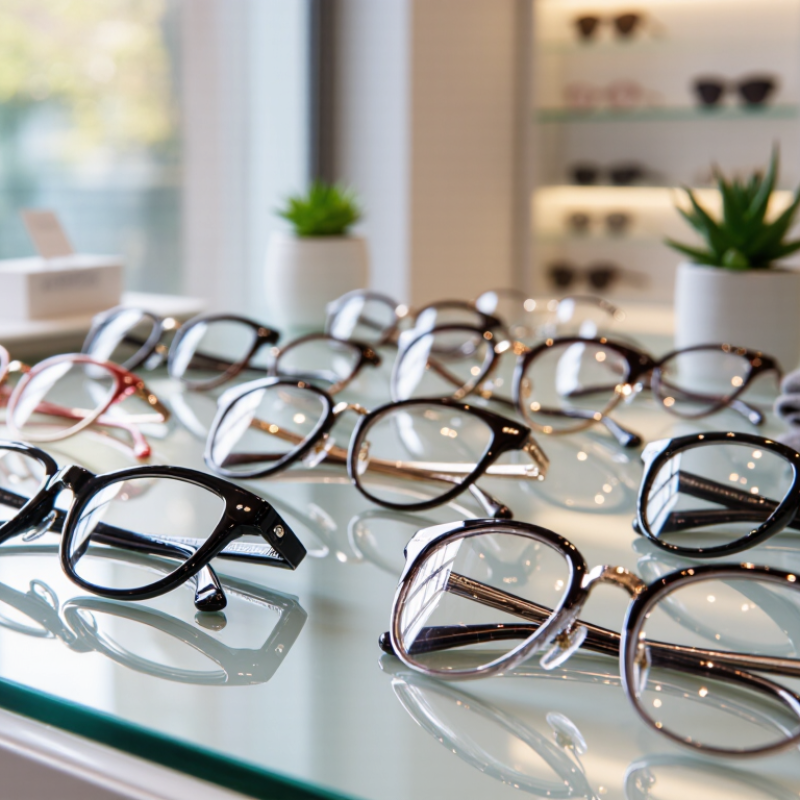
7 Tips for Sourcing Wide Bridge Eyewear

Understanding Wide Bridge Eyewear and Its Fit Requirements

A wide bridge fit depends on the wearer’s nose shape, not just the number printed inside the temple. In common frame sizing, the middle number indicates bridge width in millimeters, but it does not describe the bridge’s shape or contact area. A broad, flatter bridge may need a different fit from a narrow, high nose. The frame should rest securely without pinching, sliding, or leaving pressure marks. Small details matter.

The Vision Council’s 2023 Consumer inSights research reports that roughly three-quarters of U.S. adults use some form of vision correction. That figure describes demand, not bridge-fit preferences, so sourcing decisions still need direct fit checks. Ask suppliers for bridge dimensions, frame front width, and nose-pad options, then test samples on varied face shapes. Look for even contact across the nose and lenses that stay aligned when the wearer moves. A ruler helps, but it is not the whole story. Selfie measurements can mislead, and a frame that feels comfortable for five minutes may leave marks later. A real try-on matters.

Measuring Bridge Width and Key Frame Dimensions

A printed size such as 54□18-145 gives three useful measurements: lens width, bridge width, and temple length, in millimetres. The example indicates a 54 mm lens, an 18 mm bridge, and 145 mm temples. ISO 8624:2015 describes measurement systems for spectacle frames, including the boxing system used to define frame dimensions. Check the marking, then verify the actual frame; manufacturing and frame shape can affect fit.

Bridge width is only a starting point. Measure between the lenses at the narrowest point, then compare how the bridge rests on the nose. A narrow metal bridge with adjustable pads may fit differently from a broad molded bridge with the same number. Look for stable contact, no pinching, and lenses centered in front of the eyes. Tiny shifts matter. Also record lens width and overall frame width: a wider bridge paired with narrow lenses may still leave the frame too tight at the temples. I double-check these dimensions against a ruler, because product listings can be unclear. That’s not always elegant, but it helps prevent costly guesswork. ISO 8624:2015 is the technical reference; a size stamp is a measurement, not a fit guarantee.

Comparing Frame Shapes, Materials, and Adjustable Features

For wide-bridge eyewear, compare frame shapes on faces, not only in catalog photos. A low, broad bridge can reduce pinching and keep lenses centered, while a keyhole bridge may suit some noses but still slip. Check lens width and overall front width together. Numbers alone can mislead.

Acetate offers rich color and a substantial feel, but thick rims can look heavy on smaller faces. Lightweight stainless steel or titanium alloys allow slimmer profiles; check sample hinges and finish consistency. Flexible plastic blends may handle daily use well, yet softness does not guarantee lasting shape. Ask suppliers for material details, weight, and care guidance.

Adjustable nose pads help fine-tune height and spacing when a bridge needs more room. Inspect pad-arm clearance, screw stability, and whether pads sit flat without sharp edges. Spring hinges can add comfort, but they cannot fix a frame that is too narrow. Request fit trials across several bridge widths and note slippage after movement. A useful lesson: I once treated “wide bridge” as one fit category. It is not. Keep tolerances clear, then revise them after wear testing; some measurements will still need a second look.

Evaluating Suppliers, Product Quality, and Customization Options

7 Tips for Sourcing Wide Bridge Eyewear
Evaluating Suppliers, Product Quality, and Customization Options

A wider bridge should feel stable, not pinched or loose. Ask suppliers for bridge measurements, total frame width, and clear product drawings. Tip one: compare measurements across several samples, not just catalog photos. Tip two: check whether the supplier can explain how frame shape affects fit. Specific answers matter.

Inspect the details. Tip three: request samples in the materials and finishes you plan to order. Check hinges, edge smoothness, and whether the frame sits level on a flat surface. Tip four: ask how quality checks are recorded for each production run. A written process is more useful than a vague promise. Look closely. Small defects can become noticeable after repeated wear.

Customization deserves the same care. Tip five: confirm which dimensions, colors, lens options, and surface finishes can be changed. Tip six: ask for a pre-production sample and approve it against agreed measurements. Tip seven: clarify minimum order quantities, lead times, and how changes affect cost. Keep answers in writing. There may be trade-offs: a custom bridge width can limit available frame shapes, and a sample may not perfectly predict bulk production. That uncertainty is worth discussing early, even if it feels awkward. Compare suppliers on documented capabilities, consistent samples, and clear communication—not price alone.

7 Tips for Sourcing Wide Bridge Eyewear

Example supplier scorecard: rate each sourcing priority from 1 (low) to 5 (high) when comparing options.

Use these illustrative ratings as a starting point, then score suppliers against your fit requirements, sample inspections, lead times, and customization needs.

Requesting Samples and Verifying Fit Before Placing an Order

Before ordering wide-bridge eyewear, request physical samples in the exact frame size and material you plan to buy. Product photos cannot show how a bridge sits on different nose shapes. Check the bridge width, lens spacing, and temple length against your target customer’s measurements. Use a ruler or caliper, and record the results. Small differences matter.

Ask several people to try each sample, not just one person with a wide nose. Look for pressure marks, sliding, and gaps beneath the bridge after ten minutes of wear. Have them look down and turn their heads. Does the frame stay in place? Check comfort again after longer use; a quick fitting may miss pressure that builds over time. Also inspect hinges and finish under bright, natural light. Take clear photos and note any flaws before approving production.

A sample is useful, but it is not a guarantee. Production frames can vary slightly, and one fitting group may not represent every customer. Keep a written fit checklist and ask the supplier to confirm tolerances. If a frame feels “almost right,” pause and request an adjustment. That extra round may delay the order. It can also prevent a batch of frames that looks good on screen but sits poorly in real life.

FAQS

What measurements matter when choosing wide-bridge eyewear?

Compare bridge width with lens width and total frame width. Check all three on physical samples. Numbers can mislead.

Which frame shapes may fit a wider bridge?

A low, broad bridge may reduce pinching and help keep lenses centered. A keyhole bridge may suit some noses, but it can still slip.

Which materials should I compare?

Acetate offers rich color and a substantial feel, though thick rims may look heavy on smaller faces. Stainless steel and titanium alloys allow slimmer profiles. Ask about weight, material details, and care.

Do adjustable nose pads guarantee a better fit?

No. They can fine-tune height and spacing, but check pad-arm clearance, screw stability, and sharp edges. Spring hinges may add comfort, but cannot fix a frame that is too narrow.

What should I inspect on a sample frame?

Check hinge movement, smooth edges, finish consistency, and whether the frame sits level on a flat surface. Use bright natural light. Small flaws can stand out after repeated wear.

How can I verify comfort before ordering?

Have several people try the exact size and material. Check for pressure marks, sliding, or gaps after ten minutes. Ask them to look down and turn their heads, then check again after longer wear.

What should I ask a supplier about quality and customization?

Request written quality-check procedures, available dimensions, colors, lens options, and finishes. Confirm minimum order quantities, lead times, and possible cost changes. Keep answers in writing.

Is a pre-production sample enough to approve a full order?

It helps, but it is not a guarantee. Ask for agreed tolerances and compare production frames with the approved sample. I once treated “wide bridge” as one fit category. It is not. A second fitting round may be worth the delay.

Conclusion

Wide bridge eyewear is designed to provide a more comfortable, balanced fit for people who need extra space between the lenses. Choosing the right pair starts with understanding how bridge width works alongside key frame dimensions, including lens width, temple length, and overall frame width. Accurate measurements can help prevent pinching, slipping, or pressure around the nose, while also making it easier to compare suitable options.

When sourcing frames, consider how different shapes and materials affect comfort, durability, and appearance. Adjustable features, such as flexible nose pads, may offer additional fit options. Evaluate suppliers based on product quality, measurement consistency, customization capabilities, and clear communication. Before placing a larger order, request samples and check how they fit in everyday use. Testing comfort, stability, and workmanship firsthand can help confirm that the selected Wide bridge eyewear meets your needs and expectations.

Evelyn

Evelyn

Evelyn is a dedicated marketing professional with a deep understanding of the company’s products, services, and customer needs. Through a combination of market insight, clear communication, and a strong commitment to accuracy, Evelyn helps translate complex product features into practical, valuable......