
0%

China has become a major sourcing hub for Premium ophthalmic frames, serving optical retailers, private labels, and international distributors. Its supplier base ranges from advanced factories in Zhejiang and Guangdong to specialized workshops producing titanium, acetate, stainless steel, and lightweight alloys. However, a polished catalog does not always prove manufacturing strength.

This guide examines ten leading Chinese suppliers through practical purchasing criteria. These include material consistency, hinge durability, lens compatibility, surface finishing, production capacity, and quality-control procedures. Certifications, export experience, sampling speed, and communication standards also matter. A reliable supplier should explain its testing process clearly and provide traceable product information.

Details reveal more than promises. Look for clean acetate edges, balanced temples, smooth hinges, and consistent plating around the bridge. Ask whether prototypes are inspected before mass production. Confirm minimum order quantities, replacement policies, packaging protection, and realistic lead times. Small details matter.

The ranking is not absolute. Market reputation changes, product lines evolve, and public supplier information can be incomplete. Some manufacturers excel at luxury design but struggle with small orders. Others offer efficient production yet limited customization. That difference deserves attention.

Our comparison aims to support informed supplier evaluation, not replace factory audits or sample testing. Buyers should verify licenses, certifications, production claims, and current export capabilities directly. A strong partnership depends on transparent communication, repeatable quality, and documented performance. This article offers a focused starting point for businesses seeking dependable frame manufacturing partners in China.
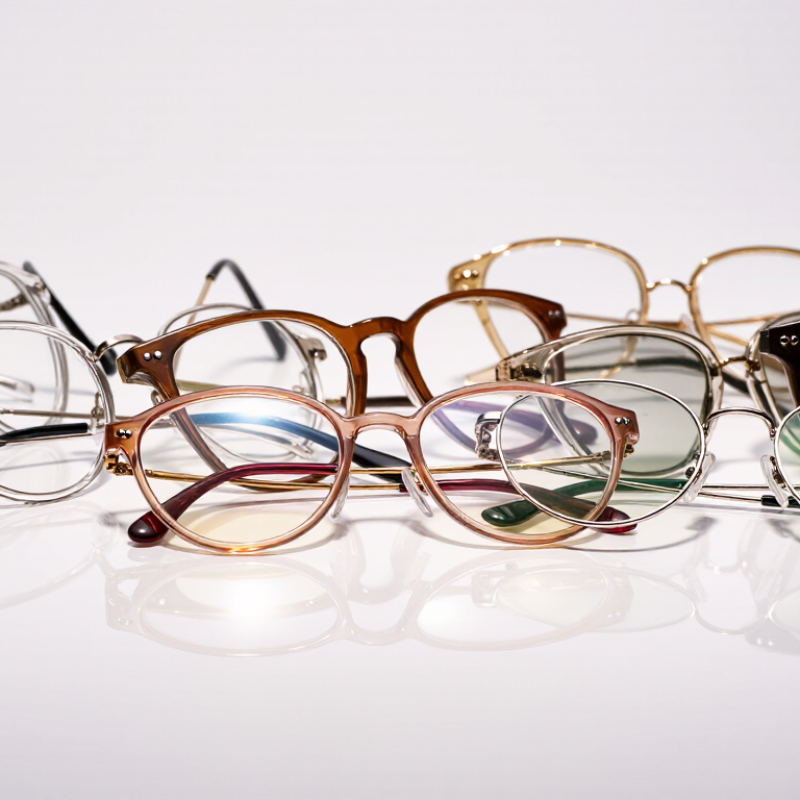
What Are China’s Top 10 Premium Ophthalmic Frames Suppliers?

What Defines a Premium Ophthalmic Frames Supplier in China?

What Are China’s Top 10 Premium Ophthalmic Frames Suppliers?

A premium ophthalmic frames supplier is defined by controlled quality, not polished catalogs. ISO 12870 sets requirements for spectacle frames, including dimensional stability, corrosion resistance, and nickel release. Reliable Chinese suppliers should show recent test records, material certificates, and traceable production batches. A frame must feel balanced on the bridge, with smooth hinges and clean lens grooves. Small details matter.

The World Health Organization reported in its World Report on Vision that at least 2.2 billion people had vision impairment in 2019. China’s National Health Commission also reported a 2022 myopia rate of 51.9% among children and adolescents. These figures indicate strong demand for dependable corrective eyewear. However, demand alone does not define premium manufacturing. A capable supplier should explain alloy composition, acetate aging, coating processes, inspection standards, and defect handling. In factory evaluations, I would not trust catalog photos alone. Supplier websites can look excellent. The inspection record may tell a different story.

Tips: Request a video audit of the welding, polishing, and final inspection areas. Compare sample measurements with approved drawings. Ask how many frames fail inspection before shipment. A low defect rate sounds impressive, but definitions vary between suppliers. That detail deserves scrutiny. Also check packaging protection, replacement policies, and production lead times. Premium service includes communication after delivery, not only attractive samples.

Key Criteria for Evaluating Chinese Ophthalmic Frame Manufacturers

Selecting China’s top premium ophthalmic frame suppliers requires more than comparing catalogs or factory photos. The World Health Organization’s World Report on Vision estimates that at least 2.2 billion people live with near or distance vision impairment. That scale raises expectations for comfort, durability, and dependable production. Grand View Research also identifies eyewear as a growing global market, increasing pressure on manufacturers to deliver consistent quality rather than attractive samples alone.

A serious evaluation should begin with compliance and measurable controls. Check whether the factory tests frames against ISO 12870 requirements, including dimensions, durability, nickel release, and resistance to perspiration. Ask for recent laboratory reports, not scanned certificates with unclear dates. Material traceability matters too. Premium suppliers should identify the source and grade of titanium, acetate, stainless steel, or recycled material used in each production batch. Factory audits should examine hinge alignment, weld strength, polishing consistency, and final inspection records.

Experience is visible in small details. Request pilot samples, tolerance data, defect rates, and evidence of stable export procedures. A supplier that explains corrective actions earns more trust than one claiming perfection. No factory passes every test. That is worth admitting. Lead time deserves scrutiny as well; a low quotation may conceal delays in tooling, coating, or replacement parts. Buyers should score communication, customization capability, packaging protection, and after-sales responsiveness alongside price. A polished catalog can still hide weak traceability. Supplier evaluation must remain practical, documented, and repeatable.

China’s Top 10 Premium Ophthalmic Frames Suppliers

China’s Top 10 Premium Ophthalmic Frames Suppliers

China’s leading premium suppliers are best judged by capability, not factory size. Strong candidates combine Japanese acetate, beta-titanium, stainless steel, and controlled small-batch production. Grand View Research valued the global eyewear market at about US$138.7 billion in 2023. It forecasts an 8.3% CAGR from 2024 to 2030. This growth supports wider Chinese sourcing. However, premium claims still need evidence. Good frames require clean bevels, balanced temples, smooth hinges, and stable plating.

A practical top-ten shortlist should include suppliers with material certificates, mold records, and final inspection reports. Ask for nickel-release testing, coating adhesion tests, fatigue testing, and dimensional checks. ISO 12870 defines requirements for spectacle frames. ISO 9001 supports process control. During factory visits, inspect hinge riveting, temple symmetry, lens-groove depth, and screw torque. Request samples from three production batches. These checks reveal variation quickly. A polished sample can hide weak batch control. That assumption fails. Suppliers also need clear lead times, tooling ownership, export documents, and repair support. Price alone is misleading.

Tips: Build a scorecard with quality, materials, testing, delivery, and communication. Weight quality highest. Verify every certificate with the issuing laboratory. Keep one approved reference sample. Recheck it before mass production. The best supplier may still need closer supervision during seasonal production peaks. Industry reports show market growth, not guaranteed factory performance. Procurement judgment remains essential.

What Are China’s Top 10 Premium Ophthalmic Frames Suppliers? - China’s Top 10 Premium Ophthalmic Frames Suppliers

Rank Supplier Profile Primary Frame Materials Manufacturing Strength Customization Typical MOQ Typical Lead Time Relevant Compliance References
01 Premium Acetate Specialist Cellulose acetate, stainless steel Hand polishing, laminated color construction, precision fitting High 100–300 units 35–60 days ISO 9001 practices; applicable optical-frame safety requirements
02 Titanium Engineering Specialist Pure titanium, beta titanium, stainless steel Laser welding, thin-wall construction, lightweight assembly High 100–500 units 40–70 days ISO 9001 practices; nickel-release testing may apply
03 Luxury Metal Frame Specialist Stainless steel, titanium, monel, brass CNC machining, fine engraving, electroplating and polishing High 200–500 units 35–65 days ISO 9001 practices; coating and corrosion testing recommended
04 TR90 and Performance Polymer Specialist TR90, polyamide, acetate blends Injection molding, flexible temples, impact-resistant finishing Medium–High 500–1,000 units 30–55 days Applicable optical-frame impact and material safety testing
05 Small-Batch Bespoke Manufacturer Acetate, titanium, stainless steel Prototype development, low-volume assembly, manual finishing Very High 50–200 units 30–60 days Material traceability and final inspection documentation
06 Export-Oriented OEM/ODM Manufacturer Acetate, stainless steel, titanium, injected polymers Mold development, private-label production, multi-stage QC High 500–2,000 units 45–75 days Destination-market labeling, testing and documentation requirements
07 Sustainable Materials Specialist Bio-based acetate, recycled stainless steel, recycled polymers Material sourcing, traceability, low-waste cutting and finishing High 300–1,000 units 40–70 days Recycled-content or bio-based material claims require supplier evidence
08 Precision CNC Frame Specialist Titanium, stainless steel, aluminum alloys CNC milling, drilling, dimensional inspection and surface treatment High 200–800 units 40–70 days Dimensional inspection reports and coating-performance testing
09 Integrated Acetate and Metal Producer Acetate, titanium, stainless steel, mixed-material components Composite construction, custom hinges, color and finish coordination High 300–1,000 units 45–75 days Applicable optical-frame material, safety and labeling requirements
10 Flexible Hinge and Comfort-Fit Specialist Beta titanium, stainless steel, acetate, flexible polymers Spring hinges, ergonomic fitting, fatigue and cycle testing Medium–High 300–1,000 units 35–65 days Hinge durability, fatigue testing and final assembly inspection

Note: Supplier profiles are anonymized market categories. MOQ and lead-time figures are indicative industry ranges and should be confirmed through current quotations, samples, material certificates and destination-market compliance checks.

Materials, Craftsmanship, and Design Strengths of Leading Suppliers

Evaluating the top ten premium ophthalmic frame suppliers requires more than checking polished photographs. Material selection reveals their real capabilities. High-grade acetate offers rich color depth, stable shaping, and a warm hand feel. Titanium provides lightness, corrosion resistance, and dependable flexibility. Some suppliers also use stainless steel, bio-based polymers, or beta titanium for specific collections. Each material needs different cutting, heating, polishing, and inspection methods.

Craftsmanship becomes visible at the hinge, bridge, and temple tip. Skilled technicians align hinges closely and smooth every edge without weakening the frame. Multi-step hand polishing can create a deep gloss around narrow rims. Laser welding may improve metal precision, while controlled barrel finishing removes small burrs. I have found that reliable suppliers document these processes and test repeated opening cycles. Small details matter.

Design strength is not only about unusual shapes. Leading suppliers balance lens size, bridge fit, temple pressure, and facial proportions. They often develop prototypes with opticians before wider production. This practical feedback can prevent attractive but uncomfortable designs. Still, no supplier gets every decision right. Some color combinations look impressive under showroom lights but appear flat outdoors. I would also question sustainability claims unless material records, factory audits, and repair policies are available. Good design should survive daily handling, not just a product launch.

Premium Ophthalmic Frame Material Benchmark

Material selection is a key indicator of premium frame construction. Lower-density materials generally support lighter eyewear, while titanium and stainless steel provide high strength, corrosion resistance, and long-term durability.

Representative material density values are shown in grams per cubic centimeter (g/cm³): cellulose acetate ≈ 1.3, TR-90 nylon ≈ 1.2, titanium ≈ 4.5, beta titanium ≈ 4.5, and stainless steel ≈ 7.9. Actual values vary by alloy, formulation, and manufacturing process.

How to Select the Right Chinese Supplier for Your Brand

Selecting among China’s top premium ophthalmic frame suppliers requires more than comparing glossy catalogs. A reliable partner should show production experience, stable materials, and clear quality procedures. Request samples in stainless steel, titanium, acetate, or other listed materials. Inspect hinge movement, weld points, edge polishing, and logo placement under bright light. Small flaws often reveal larger process problems.

Ask for factory photographs, inspection records, material certificates, and export documentation. A serious supplier should explain its testing methods without vague promises. Confirm minimum order quantities, tooling charges, sample timelines, and replacement policies in writing. Visit the facility when practical, or arrange a live video tour. Speak with the technical team, not only the sales representative. That conversation can expose actual expertise.

Premium frames also need consistent sizing across production batches. Measure bridge width, temple length, lens groove depth, and frame symmetry. A beautiful prototype proves very little. Production control matters more. I have learned that fast replies can create false confidence. One supplier may answer quickly but avoid difficult questions about defects or delays. Another may communicate slowly yet provide precise evidence. Allow time for a pilot order, independent inspection, and a design review before expanding cooperation. Mistakes may still happen, especially with custom finishes. The better supplier reports them early, records corrective action, and prevents repetition.

FAQS

What makes an ophthalmic frames supplier premium?

Controlled quality matters more than polished catalogs. The supplier should provide recent test records and material certificates. Production batches must be traceable. Smooth hinges and clean lens grooves matter. Small details count.

Which quality standards should a supplier understand?

Ask whether the frames meet ISO 12870 requirements. These include dimensional stability, corrosion resistance, and nickel release. Request supporting test records. Do not rely on claims alone.

What materials should buyers examine?

Request samples made from stainless steel, titanium, acetate, or other listed materials. Check alloy composition and acetate aging. Inspect coatings under bright light. Material names alone prove little.

How can buyers evaluate factory quality?

Request a live video tour of welding, polishing, and final inspection areas. Compare samples with approved drawings. Check weld points, edge polishing, hinge movement, and symmetry. A factory tour helps, but it is not perfect.

Which frame measurements should remain consistent?

Measure bridge width, temple length, lens groove depth, and overall symmetry. Compare several frames from different production batches. One attractive prototype proves very little. Batch consistency matters more.

What documents should a dependable supplier provide?

Ask for inspection records, material certificates, export documents, and approved drawings. Request written details about defects and corrective actions. Vague promises create risk. Evidence is better.

How should buyers review defect rates?

Ask how many frames fail inspection before shipment. Confirm how the supplier defines a defect. A low percentage can sound impressive but remain unclear. The definition deserves scrutiny.

What commercial details should be confirmed before ordering?

Confirm minimum order quantities, tooling charges, sample timelines, lead times, packaging protection, and replacement policies. Put every condition in writing. Do not assume fast replies mean strong control.

Why is a pilot order useful?

A pilot order reveals production quality before larger commitments. Use independent inspection when practical. Review custom finishes carefully. Mistakes may still happen. Early reporting shows stronger responsibility.

Conclusion

China has become an important source of Premium ophthalmic frames, offering a broad combination of advanced manufacturing, skilled craftsmanship, and flexible customization. A premium supplier is defined not only by attractive designs, but also by consistent dimensional accuracy, durable materials, reliable quality control, refined finishing, and the ability to meet international production requirements. When evaluating Chinese manufacturers, buyers should consider material selection, production technology, optical compatibility, inspection procedures, minimum order quantities, development capabilities, and communication efficiency.

The leading suppliers typically work with high-quality acetate, stainless steel, titanium, and other lightweight materials to create frames that balance comfort, durability, and visual appeal. Their strengths may include precision machining, hand-finishing, modern design development, color customization, and stable large-volume production. To select the right partner, brands should compare samples, verify manufacturing capacity, review quality standards, assess lead times, and confirm customization and after-sales support. A well-matched supplier can help build a dependable eyewear collection while maintaining consistent quality and market competitiveness.

Evelyn

Evelyn

Evelyn is a dedicated marketing professional with a deep understanding of the company’s products, services, and customer needs. Through a combination of market insight, clear communication, and a strong commitment to accuracy, Evelyn helps translate complex product features into practical, valuable......