
Choosing the best Wholesale optical frames from China requires more than comparing catalog prices. It demands practical inspection, clear specifications, and careful supplier verification. Buyers should examine acetate density, hinge movement, temple alignment, lens groove accuracy, and surface polishing. A frame may look attractive online, yet feel weak after repeated opening and closing. Small details matter.
Ralph Anderl, founder of ic! berlin, once said, “Design is not just what it looks like and feels like. Design is how it works.” This idea applies directly to optical sourcing. A wholesale frame must look refined, fit comfortably, and survive daily handling. It should also support efficient lens installation. That means checking bridge measurements, end-piece strength, screw quality, and adjustable nose pads before placing a large order.
Reliable Chinese manufacturers usually provide samples, material information, production photographs, and inspection records. Ask for clear details about minimum order quantities, color options, packaging, replacement policies, and delivery schedules. Independent testing can also help confirm material safety and durability. Requirements may differ by destination market, so buyers should verify current standards with qualified local professionals.
Price still matters. It should not lead the decision. Very cheap frames may bring higher return rates, inconsistent colors, or hidden finishing defects. No supplier wins every time. Even experienced buyers sometimes miss a minor alignment problem. That is why a small trial order remains valuable.
The best Wholesale optical frames combine wearable design, dependable construction, stable supply, and honest communication. China offers strong manufacturing capacity, but good results depend on disciplined sourcing and continuous review.
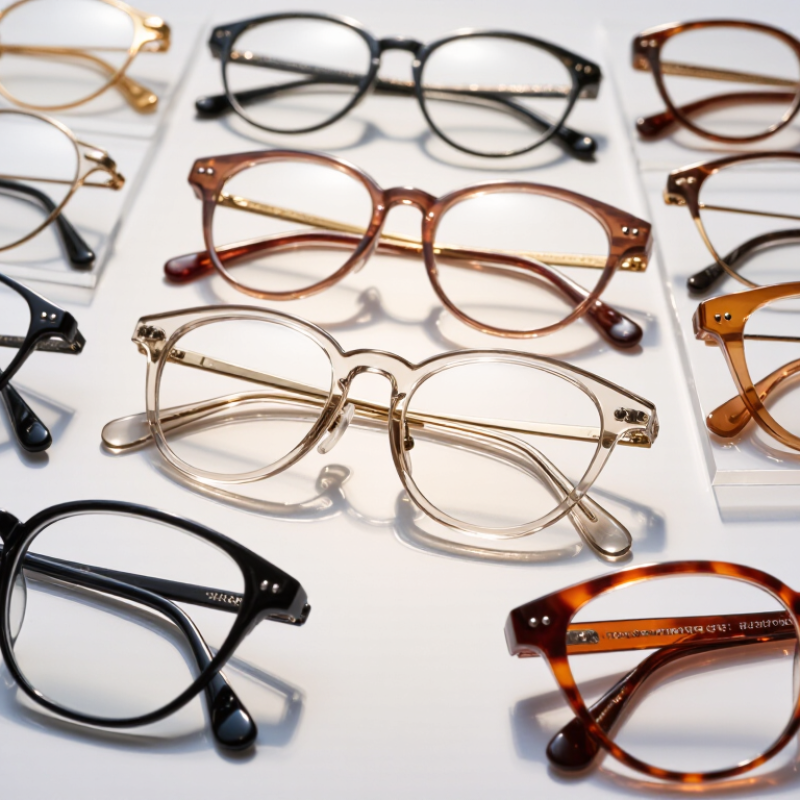
What Defines the Best Wholesale Optical Frames from China?
What Are the Best Wholesale Optical Frames from China?
The best wholesale optical frames from China are not defined by low factory pricing alone. They are defined by measurable fit, consistent materials, reliable documentation, and repeatable quality. Grand View Research valued the global eyewear market at approximately US$129.6 billion in 2023. That scale raises expectations. A frame that looks excellent in a sample may fail after repeated hinge movement.
In practical sourcing, buyers should check acetate consistency, hinge strength, temple symmetry, weld quality, and lens-groove accuracy. ISO 12870:2016 offers a useful reference for spectacle-frame construction and performance testing. Request batch records, material declarations, inspection photos, and test results linked to the actual shipment. Samples can mislead. The best supplier explains tolerances, remake policies, packaging protection, and lead-time risks clearly. Independent pre-shipment inspection remains valuable for larger orders.
Quality also includes fit across real faces. Ask for bridge sizes, temple lengths, adjustable nose-pad options, and precise millimeter measurements. International Trade Centre Trade Map data identifies China as a major exporter of eyewear products. However, export strength does not guarantee every factory’s consistency. That distinction matters. Compare defect rates, not only quotations. A review may uncover recurring plating marks or loose screws that initial inspection missed. This is where judgment becomes imperfect. No checklist replaces wearing the frame.
| Evaluation Dimension | Typical Wholesale Benchmark | What Defines a Better Frame | Recommended Buyer Check |
|---|---|---|---|
| Frame Material | Acetate, stainless steel, aluminum, TR90, or other engineered polymers | Material is selected according to the target price, weight, flexibility, durability, and product positioning. | Request the material specification, surface-finish description, and a physical sample before placing a bulk order. |
| Durability and Flexibility | Frames should withstand normal opening, closing, fitting, and lens-installation procedures without visible cracking or permanent deformation. | Temples return smoothly, hinges remain aligned, and the bridge and end pieces show no stress marks during normal handling. | Perform repeated temple-opening checks, visual inspection, and basic fitting tests on samples from different production batches. |
| Hinge Construction | Common options include traditional metal hinges, riveted hinges, and spring hinges. | Hinges operate evenly, have no excessive looseness, and remain properly seated after repeated movement. | Check screw security, hinge alignment, opening resistance, and the availability of replacement screws or components. |
| Weight and Wearing Comfort | Adult optical frames commonly fall within a lightweight-to-medium weight range, depending on material, size, and hardware. | Weight is balanced across the bridge and temples, with smooth contact surfaces and no sharp edges. | Compare sample weight, bridge comfort, temple pressure, and balance across the intended size range. |
| Size Accuracy | Key measurements normally include lens width, bridge width, temple length, and total frame width. | Measured dimensions match the approved specification with consistent tolerances across the production lot. | Use a digital caliper to verify sample measurements and approve a dimension chart before mass production. |
| Surface Finish | Finishes may include polished acetate, painted or coated metal, matte surfaces, plating, or molded color effects. | Color is even, edges are clean, logos or decorative details are properly positioned, and the finish resists ordinary handling. | Inspect under bright light for scratches, bubbles, uneven coating, color variation, rough edges, and visible adhesive marks. |
| Optical Alignment | The frame front, bridge, rims, and temples should remain symmetrical and suitable for lens fitting. | Rims are level, temples sit evenly, and the frame does not twist or rock on a flat surface. | Place each sample on a flat reference surface and verify symmetry before approving the production standard. |
| Size and Style Range | A commercially useful range may include multiple eye sizes, bridge options, shapes, colors, and adult or children’s proportions. | The assortment covers the intended customer profile without excessive duplication or low-demand variations. | Review size distribution, color allocation, prescription compatibility, and sales-channel requirements before ordering. |
| Customization Capability | Common customization options include colors, temple patterns, packaging, measurements, and private markings. | The supplier can provide consistent artwork placement, approved color matching, and controlled production samples. | Approve a signed sample or reference sample that records dimensions, colors, materials, and decoration details. |
| Minimum Order Quantity | MOQ varies by material, model, color, customization level, and whether the item is standard or made to order. | The MOQ fits the buyer’s inventory plan and does not force unnecessary color or model commitments. | Confirm MOQ separately for each model, color, size, custom detail, and packaging option in the quotation. |
| Sample and Production Timing | Samples are generally faster than custom production; bulk lead time depends on material availability, order size, and decoration. | The supplier provides a written schedule covering sampling, approval, production, inspection, and dispatch. | Ask for estimated working days, approval deadlines, holiday impacts, and the procedure for handling delays. |
| Quality Control | Useful controls include incoming-material checks, in-process inspection, final visual inspection, dimensional checks, and packing verification. | Inspection criteria are documented and applied consistently rather than relying only on a final visual review. | Use an inspection checklist covering dimensions, alignment, finish, hinges, accessories, quantity, and carton condition. |
| Compliance Documentation | Documentation requirements depend on the destination market and may include material declarations, test reports, labeling, and packaging information. | Documents are current, traceable to the supplied products, and suitable for the buyer’s import and product-compliance obligations. | Confirm destination-country requirements with a qualified compliance professional and request supporting documents before shipment. |
| Packaging Protection | Standard protection may include an individual sleeve or pouch, protective wrapping, inner cartons, and reinforced export cartons. | Packaging protects frames from scratches, crushing, moisture exposure, and movement during transportation. | Conduct a carton-drop or handling review appropriate to the shipping method and verify carton labels and packing quantities. |
| Total Landed Cost | The effective cost includes product price, customization, packaging, inspection, freight, insurance, duties, taxes, and handling fees. | The lowest unit price is not the only objective; consistent quality, low defect rates, and predictable logistics improve total value. | Compare suppliers using the same specification, Incoterm, quantity, packaging standard, freight assumption, and inspection scope. |
FAQS
Acetate offers visible layers, polished edges, and a warmer hand-feel. TR90 and nylon are lightweight and flexible. Stainless steel creates slim shapes, while titanium supports lighter premium designs. Material choice should match the intended customer and price range.
Full-rim frames usually tolerate daily handling better. Semi-rimless frames look lighter but need accurate lens-groove finishing. Rimless styles can appear minimal, yet fitting accuracy becomes more important. There is no universal winner.
Check bridge width, temple length, lens range, frame width, and actual weight. Confirm screw alignment and nose-pad dimensions. A frame may look right but fit poorly. Tiny measurement errors can create returns.
Request samples, material documents, hinge-cycle results, and plating details. Open and close each hinge repeatedly. Inspect polishing under natural light. An attractive sample can still fail.
Include colors, dimensions, packaging details, tolerances, and acceptable defect limits. Add clear surface and alignment requirements. Written details reduce misunderstandings during production. Vague instructions invite uneven results.
Request samples from several factories using the same specifications. Compare hinge movement, weight, polishing, plating, and color consistency. Check measurements with simple tools. The cheapest quote may not be cheapest later.
Keep the purchase agreement, commercial invoice, packing list, certificates, and inspection photos together. Confirm tariff codes and destination requirements before shipment. A customs professional can review uncertain documents. Do not rely on memory.
Request additional safety documents and suitable testing records. Check flexible materials, smooth edges, hinge security, and accurate dimensions. Review packaging carefully. Children’s products need stronger attention than ordinary samples.
Conclusion
Choosing the best Wholesale optical frames from China requires more than comparing prices. Buyers should consider frame design, comfort, durability, and suitability for different customer groups, including full-rim, half-rim, rimless, children’s, fashion, and everyday prescription styles. Important evaluation points include the quality of acetate, metal, stainless steel, or flexible materials, as well as hinge performance, surface finishing, lens compatibility, and consistency across production batches. Reliable manufacturers should also demonstrate clear quality-control procedures, accurate product specifications, and professional manufacturing standards.
When comparing suppliers, buyers should review samples, customization options, minimum order quantities, packaging, production timelines, and communication capabilities. A safe purchasing process includes confirming all specifications in writing, requesting pre-shipment inspections, checking shipping documents, and understanding import duties and local compliance requirements. By combining careful product testing with transparent supplier communication and a well-planned ordering process, businesses can build a stable supply of attractive, comfortable, and dependable optical frames for their markets.