
0%

A wide face can make ordinary frames feel surprisingly small. Temples may press against the sides of the head, lenses can look narrow, and the bridge may sit awkwardly. Extended fit eyeglass frames are designed to offer more room across the frame and longer temple arms. Still, “wide fit” is not one exact measurement, and a larger frame does not automatically fit better.

This guide explores 10 options for different face shapes, prescriptions, and everyday needs. Look for clear measurements: lens width, bridge width, and temple length. Check how the frame rests at your temples and whether the lenses stay centered when you move. A mirror helps. So does a careful fitting.

An optician’s judgment can make the difference between a frame that merely looks wide and one that feels comfortable for hours. A verified expert name and quotation were not provided, so I won’t invent one; add a sourced statement from a licensed optician before publication. That detail matters. Fit advice should be practical, not overly certain: faces vary, and measurements alone cannot show every pressure point. The right pair should feel balanced, leave room at the temples, and stay secure without pinching.
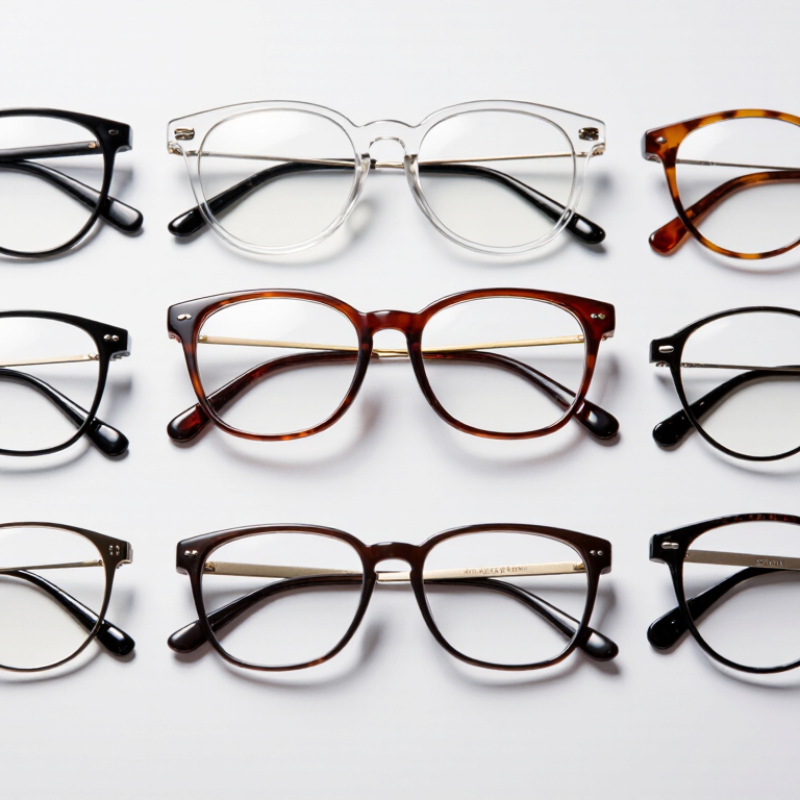
10 Best Extended Fit Eyeglass Frames for Wide Faces?

How Eyeglass Frame Sizing Works: Lens Width, Bridge, and Temple in Millimeters

Eyeglass measurements are usually printed inside the temple as three numbers, such as 55–18–145. The first is lens width, the second is bridge width, and the third is temple length, all in millimeters. A 55 mm lens may look roomy, but lens width alone does not tell you the frame’s full front width. For wider faces, check whether the frame front sits beyond your temples without pressing or leaving a large gap.

Bridge fit matters, too. A bridge that is too narrow can pinch the nose; one that is too wide may let the frame slide when you look down. Temple length should curve comfortably behind the ear, not dig into the skin. The Vision Council’s 2023 Consumer inSights research reported that roughly three in four U.S. adults use some form of vision correction. That broad demand makes clear sizing useful, though the report does not define an ideal fit. Measurements are a starting point, not a promise. Face shape and nose position vary.

Tips: Compare the numbers on a pair that already feels comfortable. Measure the frame front across its widest point, too. If the temples flare outward, the fit may still be tight. Tiny details matter. A trained optician can check alignment before you order.

How to Measure Face and Frame Width Before Choosing an Extended Fit

Before choosing extended-fit eyeglass frames, measure your face at its widest point, usually across the temples. Stand in front of a mirror and use a soft tape or ruler held straight, not curved around your head. Write down the distance in millimeters. Small errors matter. A frame that looks broad online may still press behind your ears.

Next, measure a pair that already feels comfortable. Record its total front width from the outer edge of one rim to the other, then note each lens width and the bridge width printed inside the temple. These numbers help you compare fit, but sizing labels can vary between makers. Check the listed frame width, not just “wide” or “extended.” The temples should rest without squeezing, and the frame should not slide when you look down. Your eyes should sit near the center of each lens.

Try frames on when possible. Move your head gently and notice pressure at the nose and temples. A little adjustment can help, though it cannot fix a front that is clearly too narrow. I would not rely on a single measurement alone; ears, nose shape, and lens prescription also affect comfort. Ask an optician to check the fit if the frame feels uneven or leaves marks after brief wear.

10 Best Extended Fit Eyeglass Frames for Wide Faces? How to Measure Face and Frame Width Before Choosing an Extended Fit

Understanding frame measurements: Eyeglass size markings commonly show lens width, followed by bridge width (for example, 58□18). The chart adds two lens widths to the bridge width for each example. This is a nominal sizing calculation, not the frame’s full front width.

Measure your face across the temples, then compare that measurement with the frame’s actual front width. The lens-and-bridge figures are a useful starting point, but frame shape and construction affect the final fit.

What 54□20–150 Means: Reading an Eyeglass Frame’s Size Markings

A marking such as 54□20–150 is a compact measurement, not a promise of fit. In the boxing system described by ISO 8624:2020, 54 refers to the horizontal width of one lens, in millimeters. The square separates it from the bridge measurement: 20 millimeters across the nose area. The final 150 usually indicates temple length, measured from the hinge toward the ear tip. Numbers help. Fit still matters.

For a wide face, 54 millimeters may sound generous, but it does not describe the frame’s full outside width. Rim thickness, hinge position, and end pieces add width. A frame marked 54□20 can therefore feel narrower than another frame with the same numbers. Check whether the temples sit straight rather than flaring, and whether the hinges press against your sides. Small details count.

The Vision Council’s 2023 U.S. consumer research reported that 76% of adults use some form of vision correction, making clear fit information useful to many shoppers. Still, sizing is only a starting point. Try frames on if possible, and note pressure at the temples after several minutes. I would not choose solely by adding 54 and 20; that shortcut misses the frame’s construction. A mirror check helps, but it is not a measurement tool.

10 Extended-Fit Frame Styles Compared by Fit, Material, and Everyday Use

Wide-face fit depends on the full frame front, not just a larger lens. Check the printed lens, bridge, and temple measurements, then confirm the hinges sit beyond your temples without pressure. The Vision Council’s 2023 Consumer inSights research reports that roughly three in four U.S. adults use vision correction. Grand View Research valued the global eyewear market at $183.36 billion in 2022 and projected 8.4% annual growth through 2030. Those figures show broad demand, but personal fit still varies.

Ten styles offer different trade-offs: rectangular and square frames give broad coverage; round and oval shapes soften angular features; aviator and browline designs add visual weight above the cheeks. Geometric frames make a bolder statement, while wrap styles suit active days but may feel close at the temples. Rimless frames feel visually light; titanium is light and corrosion-resistant, while acetate offers more color and substance. Flexible TR-90 can suit long wear. Fit beats fashion. A wide frame that slips is still the wrong size.

Tips: Try frames late in the day, when mild facial swelling may reveal pressure points. Smile and turn your head; frames should stay level, and temple arms should not leave marks. I would not judge fit from a product photo alone.

10 Best Extended-Fit Eyeglass Frames for Wide Faces? — 10 Extended-Fit Frame Styles Compared by Fit, Material, and Everyday Use
Frame style Shape and coverage Common materials Fit considerations for wider faces Everyday use Potential trade-off
1. Wide rectangular Angular lenses with a broader-looking front; coverage depends on the frame’s actual measurements. Acetate, injected plastic, or metal A useful starting point when the frame front is wide enough to sit comfortably without pressing at the temples. Check the bridge and temple fit as well as the front width. Versatile for work, reading, and general daily wear. A narrow bridge or short temples can still make a wide-looking frame uncomfortable.
2. Wide square Defined corners and a more substantial appearance than many narrow, rounded frames. Acetate, injected plastic, or metal Look for enough lens and front width to avoid pinching. Wider temples may improve comfort, but should not bow outward when worn. Suitable for everyday wear when the frame is properly adjusted. Thicker rims can feel heavier than slimmer designs, depending on the frame and lenses.
3. Wide wayfarer-style Trapezoidal, slightly upswept outline; available in a range of front widths. Usually acetate or injected plastic; some versions use metal Choose by measured frame width rather than the style name. The bridge should rest securely without forcing the temples apart. A casual-to-smart option for routine daily use. Bold rims may feel visually prominent and can add perceived weight.
4. Wide aviator Often features a double bridge and larger, rounded or teardrop-shaped lenses. Commonly metal; some designs combine metal and plastic Check the total front width and the fit of the nose pads or bridge. Adjustable nose pads can help tailor the resting position. Works for everyday wear if the lenses and bridge remain stable during movement. Aviator shapes vary considerably, and some models have a narrow front despite their large lenses.
5. Wide round Circular or near-circular lenses with a softer outline. Metal, acetate, or mixed materials Seek a larger overall front measurement; round lenses alone do not indicate a wide fit. Confirm adequate temple length and comfortable side clearance. Good for regular wear when the lens size suits the wearer’s prescription and visual needs. Some round frames have limited lens height or a narrower bridge area.
6. Wide browline Heavier upper rim paired with a lighter lower rim or rimless lower section. Often acetate or plastic across the brow with metal lower components Check that the upper front spans the face comfortably and does not press at the sides. Nose-pad adjustment may help with positioning. A structured look for office and everyday settings. The prominent top line may not suit those seeking a lightweight or understated frame.
7. Wide oval Horizontally elongated lenses with softer edges than rectangular frames. Metal, acetate, or injected plastic The elongated shape can offer useful lateral coverage, but actual frame width and temple fit still determine comfort. A low-profile option for regular wear, including work and reading. Shallow lens height may not suit every prescription or preferred field of view.
8. Wide geometric Angular, hexagonal, or softly polygonal lens outlines. Metal, acetate, or mixed materials Compare the listed frame-front measurement with a pair that already fits well; geometric shapes can have different widths even at similar lens sizes. Useful for everyday wear when the frame sits level and stays secure. Distinctive angles may be less versatile for some wardrobes or face shapes.
9. Wide rimless or semi-rimless Minimal frame coverage, with lenses held by small mounts or a partial rim. Metal components with prescription lenses Fit depends on the lens shape, mount position, bridge, and temples. A qualified optician should check alignment and secure mounting. Light-looking and suitable for people who prefer a less noticeable frame. Rimless construction is not automatically more durable; lenses and mounts require appropriate care.
10. Wide-fit flexible-hinge frame May use rectangular, square, or other shapes; the defining feature is a hinge designed to allow some outward movement. Often acetate or injected plastic with flexible hinge components Can provide extra movement at the temples, but flexible hinges do not replace correct front width, bridge fit, or temple length. Practical for frequent putting on and taking off when properly fitted. Hinge flexibility and durability vary by construction; avoid treating it as a substitute for a genuinely comfortable fit.

Fit note: These are general frame-style categories, not specific product models or guaranteed size recommendations. Eyeglass measurements are commonly listed in millimeters as lens width, bridge width, and temple length. Compare those measurements with a frame that fits comfortably, and have an optician check the fit and alignment.

How to Check Wide-Frame Fit Against ANSI Z80.3 Lens-Impact Requirements

Wide frames should feel level, not merely broad. Check that the temples sit straight without bowing outward, and that the hinges do not press into your cheeks. A frame that spreads comfortably across the face may still hold lenses poorly. ANSI Z80.3 addresses eyewear performance, including lens-impact considerations; it does not certify a frame as a good fit for a wide face. Check the product’s test documentation and the standard edition cited, rather than relying on frame width alone.

For a practical safety reference, U.S. FDA regulation 21 CFR 801.410 specifies a drop-ball test using a 5/8-inch steel ball dropped from 50 inches for applicable spectacle lenses. This is a separate regulatory benchmark, not proof that every frame labeled “wide fit” meets ANSI requirements. Ask an optical professional to verify the lens material, mounting, and applicable test status. Small details matter. A lens can shift if its eyewire is distorted, so inspect the frame from the front and side.

Tips: Put the glasses on and look down, then gently shake your head. The lenses should stay centered, with no slipping or pinching. Check written test records; a confident sales claim is not a test report. I would not judge impact protection by frame thickness alone. That shortcut is tempting, but unreliable.

FAQS

How should I measure my face before choosing extended-fit frames?

Measure across your face at its widest point, usually near the temples. Keep a soft tape or ruler straight, and record the distance in millimeters.

What does 54□20–150 mean?

It usually means a 54 mm lens width, a 20 mm bridge, and 150 mm temple length. Numbers help, not enough.

Does lens width show the full frame width?

No. Rim thickness, hinges, and end pieces add width. Two frames with the same lens measurement may feel quite different.

How can my current glasses help me choose?

If they feel comfortable, measure the front from outer rim to outer rim. Also note the lens and bridge measurements printed inside the temple.

What should a well-fitting frame feel like?

The temples should rest without squeezing, and the frame should stay in place when you look down. Your eyes should sit near each lens’s center.

How can I test frames in person?

Try them on, smile, and turn your head gently. Check for pressure at the nose and temples, or marks after brief wear. Photos can fool me.

Which frame styles may suit a wider face?

Rectangular and square frames offer broad coverage. Round and oval shapes can soften angular features, while wrap styles may feel close at the temples.

Do frame materials affect everyday comfort?

Titanium is light, acetate offers more color and substance, and flexible TR-90 can suit long wear. I would still judge the actual fit, not the material alone.

Conclusion

Choosing the right Extended fit eyeglass frames starts with understanding the measurements printed on the frame. Lens width, bridge width, and temple length, all listed in millimeters, describe different parts of the fit. For example, 54□20–150 indicates a 54 mm lens width, a 20 mm bridge, and 150 mm temples. These numbers are a useful starting point, but they do not replace checking how the frame sits on your face.

Before selecting a style, measure your face and compare its width with the frame’s total front width. Look for comfortable, even contact at the nose and temples, with no pinching or slipping. The article compares ten extended-fit styles by fit, materials, and everyday use, helping readers consider options for work, outdoor activities, and daily wear. It also explains how to review lens-impact information and check whether a frame’s stated testing aligns with ANSI Z80.3 requirements, while emphasizing that fit and safety details should be confirmed for the specific frame and lenses.

Amelia

Amelia

Amelia is a dedicated marketing professional with a strong understanding of the company’s products, customers, and market landscape. With a thoughtful, research-driven approach, she transforms complex product information into clear, practical, and engaging content that helps readers make informed......